Amazon Weighs $8B AI Chip Leaseback Across Five Data Centres
SiliconANGLE reported that Amazon is exploring an $8 billion sale-and-leaseback structure for Nvidia Grace Blackwell accelerators installed across five data centres.

Amazon is preparing an $8 billion sale-and-leaseback structure for artificial intelligence chips, SiliconANGLE wrote, citing Financial Times sources familiar with talks around a special purpose vehicle.
The plan would move a pool of AI accelerators into the SPV, which would then raise money from outside investors through debt and a 10% equity stake.
Amazon has been speaking with potential backers for several weeks, making the proposed transaction less a conventional equipment purchase than a financing mechanism for hardware already central to its data-center buildout.
The assets are Grace Blackwell accelerators from Nvidia.
Each device combines two Blackwell graphics processing units with one Grace central processing unit, linked by Nvidia’s NVLink-C2C interconnect for moving data between the chips.
Blackwell served as Nvidia’s flagship AI accelerator until March, when Blackwell Ultra added more memory; Nvidia’s current roadmap also includes Rubin and Rubin Ultra.
The dollar amount points to a large physical footprint.
Modal, an AI infrastructure provider, estimates one Grace Blackwell accelerator costs between $60,000 and $70,000.
At an $8 billion valuation, that range implies roughly 114,000 to 133,000 chips moving into the vehicle.
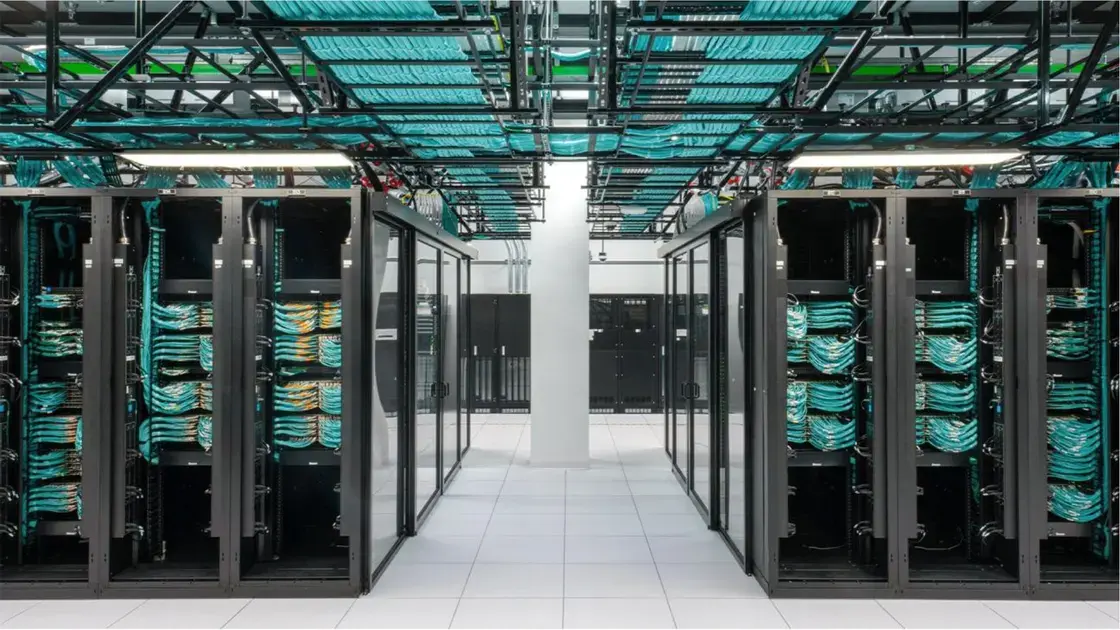
The accelerators are installed across five Amazon data centres, with some owned by Amazon and others already leased.
A leaseback would let Amazon keep using the chips after transferring them.
The company would book the cash raised by selling the assets, while lease payments would spread the cost over future periods.
That structure can make a capital-intensive AI buildout less heavy on near-term cash flow, even though the underlying computing obligation remains tied to Amazon’s own demand for accelerator capacity.
The contemplated deal would sit beside Amazon’s broader Nvidia purchasing commitments.
In August, Amazon agreed to buy 2 million additional GPUs through 2028, spanning Blackwell Ultra, Rubin and Rubin Ultra.
The sale-leaseback therefore does not replace new chip supply; it recasts part of the existing installed base as collateral for external financing.
Sale-leaseback structures are already common in real estate and transportation assets, where investors fund equipment that an operator continues to use.
Applying the model to AI accelerators shows how expensive infrastructure for model training and inference is becoming an asset class of its own.
The transaction depends on whether investors accept the chip pool, the debt terms and Amazon’s continued lease obligation as a workable package.