Gulf AI Plans Still Depend On Nvidia Chips Despite Supplier Push
Rest of World reported that Saudi Arabia and the UAE are trying to diversify AI chip supply while major projects still rely on Nvidia hardware. The report cited Humain data-centre plans, G42’s Stargate project and analyst warnings that U.S. approvals, TSMC capacity and high-bandwidth memory remain constraints.

Saudi Arabia and the United Arab Emirates are committing tens of billions of dollars to AI, yet the Gulf’s largest disclosed projects still depend heavily on Nvidia chips.
The region is trying to spread orders across suppliers, but training advanced AI models, securing high-speed memory and accessing U.S.-controlled technology continue to pull it back toward the same dominant provider, Rest of World reported.
Nvidia at the centre of Gulf buildout
Saudi Arabia agreed on June 1 to use Nvidia technology in self-driving taxis, from the computer inside each vehicle to the software that steers it.
The deal was struck by Humain, the venture established by Saudi Arabia’s Public Investment Fund last year to make the kingdom a global AI power.
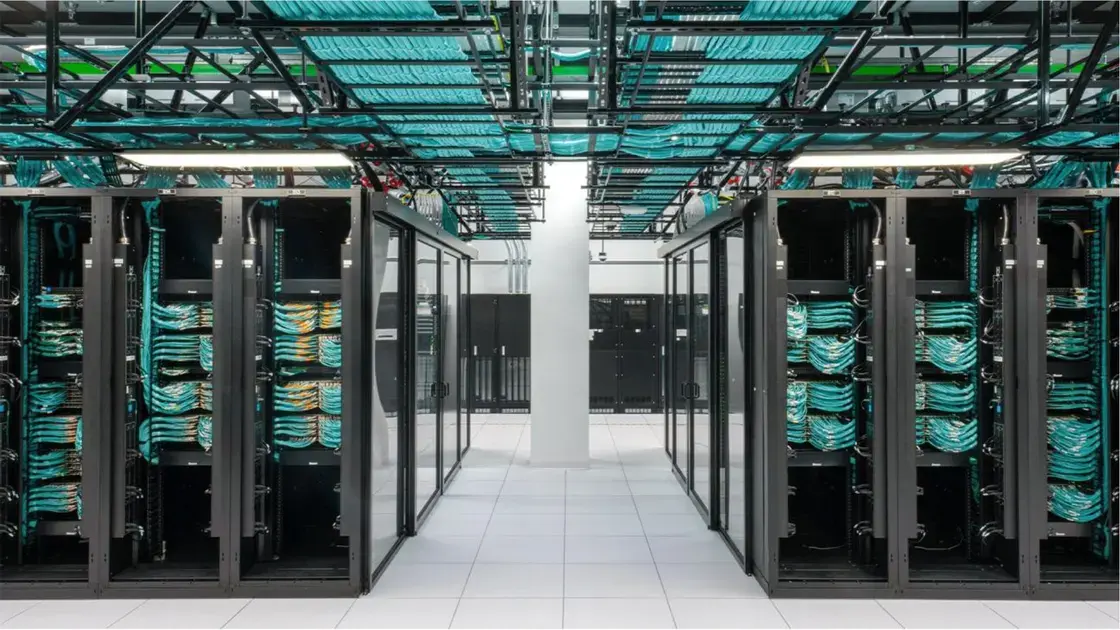
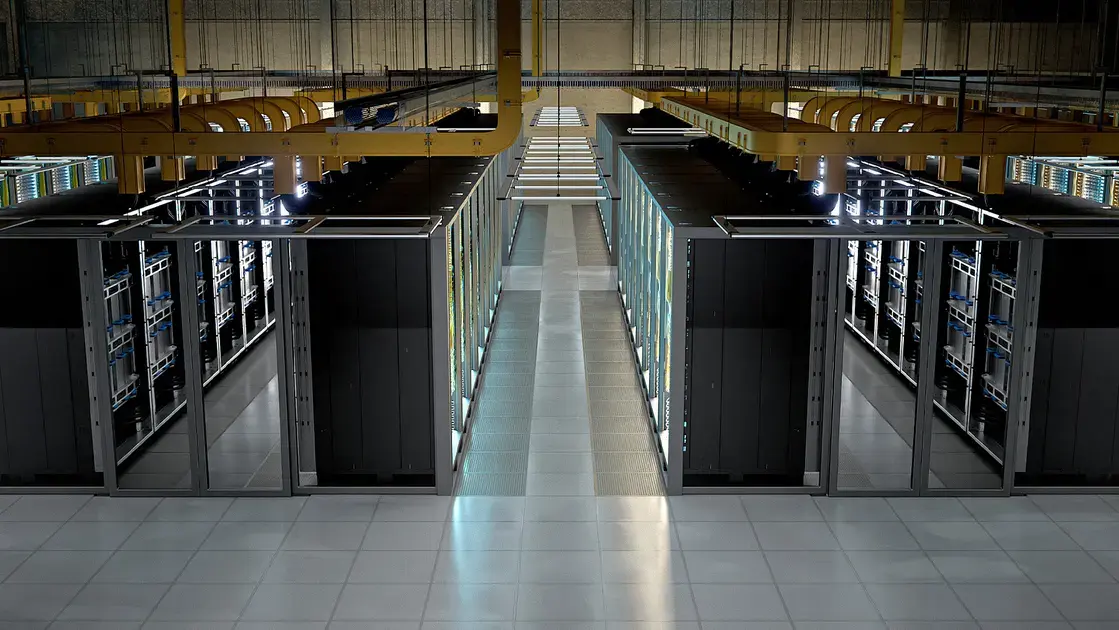
Humain is also building data centres in Riyadh and Dammam powered by several hundred thousand Nvidia chips.
Its first order from Nvidia covered 18,000 of the company’s newest Blackwell chips, according to Kamil Dimmich, a partner at emerging-markets investment firm North of South Capital.
The UAE is building at a similar scale through G42, its state-backed AI company.
G42’s Stargate data centre in Abu Dhabi is planned to run on 400,000 Nvidia chips in its first stage.
In a January interview, CEO Peng Xiao said the machines inside Stargate would be “mostly” Nvidia.
Nvidia, G42 and Humain did not respond to requests for comment.
Nvidia’s market position was visible in the quarter ending October.
Its data-centre business generated a record $51.2 billion in revenue, up 66% from the previous year, while the company said its newest Blackwell computing architecture line was “sold out.”
Rivals fill narrower workloads
Humain has spent the past year trying to reduce its dependence on a single supplier.
Last August, it agreed to a $10 billion AMD deal for 500 megawatts of computing power, a $2 billion agreement with Groq to run its chatbot, and a Qualcomm tie-up to fill a Saudi data centre with 200 megawatts of chips.
Those products can run AI, but they cover a narrower range of tasks than Nvidia’s processors.
Qualcomm and Groq chips are designed to run finished AI models cheaply for everyday requests, such as answering users’ questions.
Training a powerful model still requires Nvidia hardware, Dimmich told Rest of World.
The difference is partly software.
Nvidia has spent almost two decades developing CUDA, its proprietary parallel-computing platform, and more than 4 million developers now use the system.
Moving to a rival would require engineers to rebuild years of work.
U.S. controls and shared bottlenecks
Buying AMD or Qualcomm hardware does not remove the Gulf’s political dependence on Washington.
Those companies also make U.S. products that require approval before they can be sold to Gulf customers, Sam Winter-Levy, a Carnegie Endowment for International Peace fellow who studies chip geopolitics, told Rest of World.
Winter-Levy said the U.S. has made Gulf access to its top AI technology conditional on keeping Chinese hardware out.
Chinese chips trail Nvidia’s by at least a generation, while Chinese companies buy much of their domestic production themselves.
The supply chain creates another constraint.
Nvidia’s rivals rely on many of the same suppliers, including Taiwanese contract manufacturer TSMC.
High-speed memory, which keeps chips supplied with data, and factory capacity at TSMC are among the hardest resources to secure.
Application-specific integrated circuits, or ASICs, can be cheaper than Nvidia’s all-purpose processors for some inference workloads.
They still require access to TSMC’s foundries, Dimmich said.
Money buys leverage, not sovereignty
The Gulf’s wealth does provide bargaining power through investments in U.S. technology companies and rapid data-centre construction.
But it competes for chips with U.S. technology companies that can raise similarly large sums in capital markets, Dimmich said.
“I don’t think infinite money is much of an advantage at the moment,” he said.
“All the U.S. buyers of this equipment seem to be able to access infinite amounts in capital markets at extremely high valuations, so that’s not been a constraint, although it may become so in future.”
Mohammed Soliman, a senior fellow at the Middle East Institute, said true AI sovereignty was effectively unattainable for nearly every country outside the United States and China.
Europe, despite its industrial capacity and capital markets, lacks a realistic prospect of building a fully independent AI stack within any meaningful time frame.
The Gulf is therefore choosing access and speed over independence.
Its leaders are leaning into Nvidia and direct U.S. partnerships while using alternative suppliers where they fit.
“The Gulf’s current path is the opposite of diversification,” Soliman said.
“They are accelerating integration through massive data centers and direct U.S. partnerships rather than chasing expensive and uncertain independence.