Texas Approves $13.8 Billion 765 kV Grid Plan For AI Data Centre Loads
AI data centre customers, final routes or ratepayer cost terms remain outside the public record.
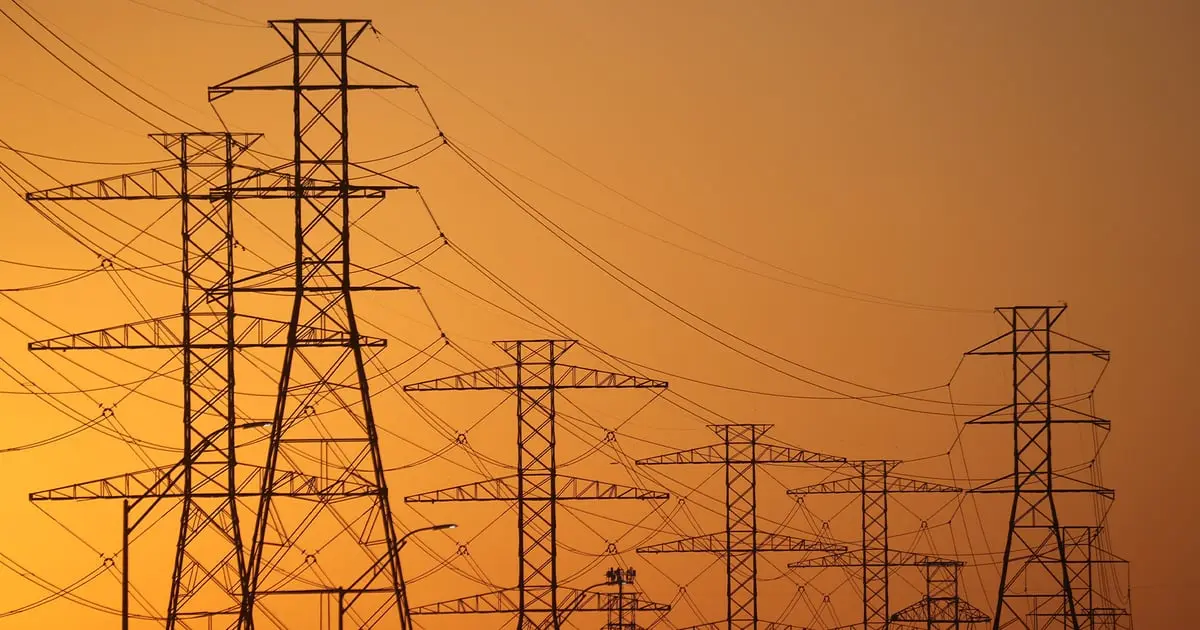
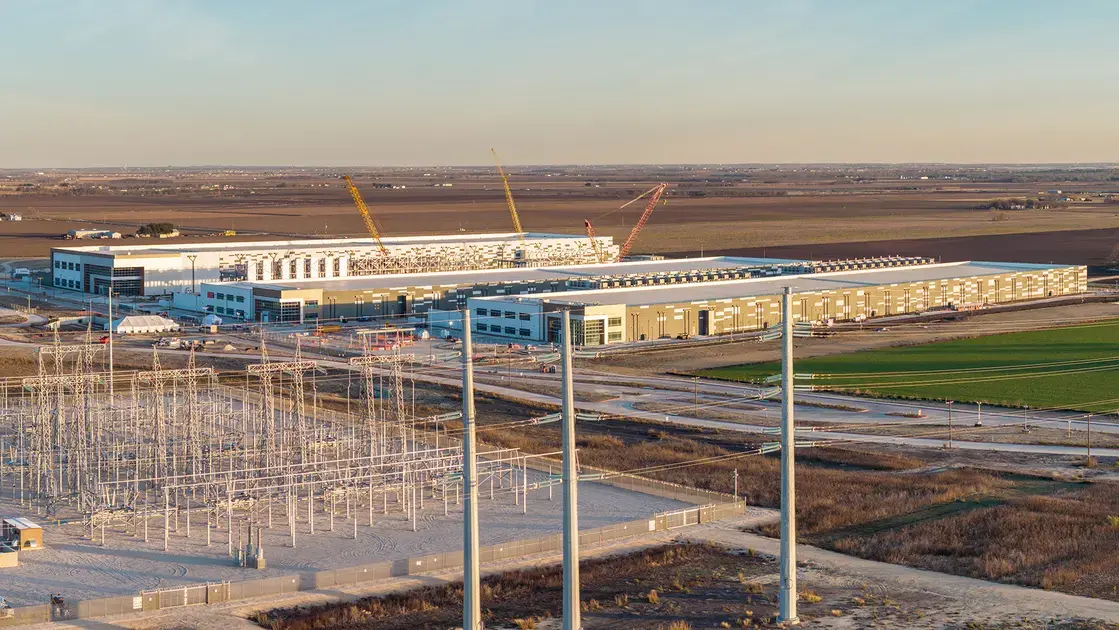
Texas regulators approved a roughly $13.8 billion transmission strategy that will give ERCOT’s Permian Basin more capacity for large power users, including data centres, before those projects are built.
The Public Utility Commission of Texas unanimously selected a 765-kilovolt network in April 2025, choosing a more flexible design over a cheaper 345 kV alternative estimated at $12.95 billion.
The decision followed a sharp change in the region’s demand outlook.
ERCOT’s earlier planning focused on replacing onsite generation as Permian Basin oil operations electrified.
By 2024, transmission providers were forecasting an “exponential increase” in non-oil-and-gas demand, led by cryptocurrency mining, data centres and hydrogen electrolysis.
Those projects represented 11.6 GW of projected demand by 2030, nearly matching the oil-and-gas load that had originally justified the Permian reliability initiative.
Combined demand was forecast at 23 GW by 2030 and 26.4 GW by 2038.
The speed of that growth became as important as its size.
ERCOT’s staff memo said large loads can be added to the system in as little as 6 to 12 months, creating a risk that actual Permian demand could exceed today’s 2038 forecast.
Rather than continue adding 345 kV lines around a fixed projection, ERCOT evaluated whether extra-high-voltage infrastructure could handle demand that may emerge in different places and on a faster schedule.
Why ERCOT chose 765 kV
After workshops, technical studies and stakeholder meetings, PUCT staff recommended the 765 kV option for the Permian Basin Reliability Plan.
ERCOT estimated the full 2038 plan at $13.8 billion with that design.
A 500 kV alternative was projected to cost $15.32 billion.
The commission concluded that the 765 kV architecture justified its premium over the 345 kV plan because it offered greater transfer capability and more room to accommodate uncertain future demand.
Staff also described the project as a foundation for a “looped, networked statewide plan.”
Commissioner Kathleen Jackson said the Permian Basin had “outgrown its infrastructure.” Although the 765 kV option required a higher initial investment, she said it provided “more transfer capability” and longer-term benefits if demand continued to rise.
More capacity, fewer corridors
ERCOT found that the 765 kV network would provide 600 MW to 3,000 MW more regional transfer capability than the comparable 345 kV alternative.
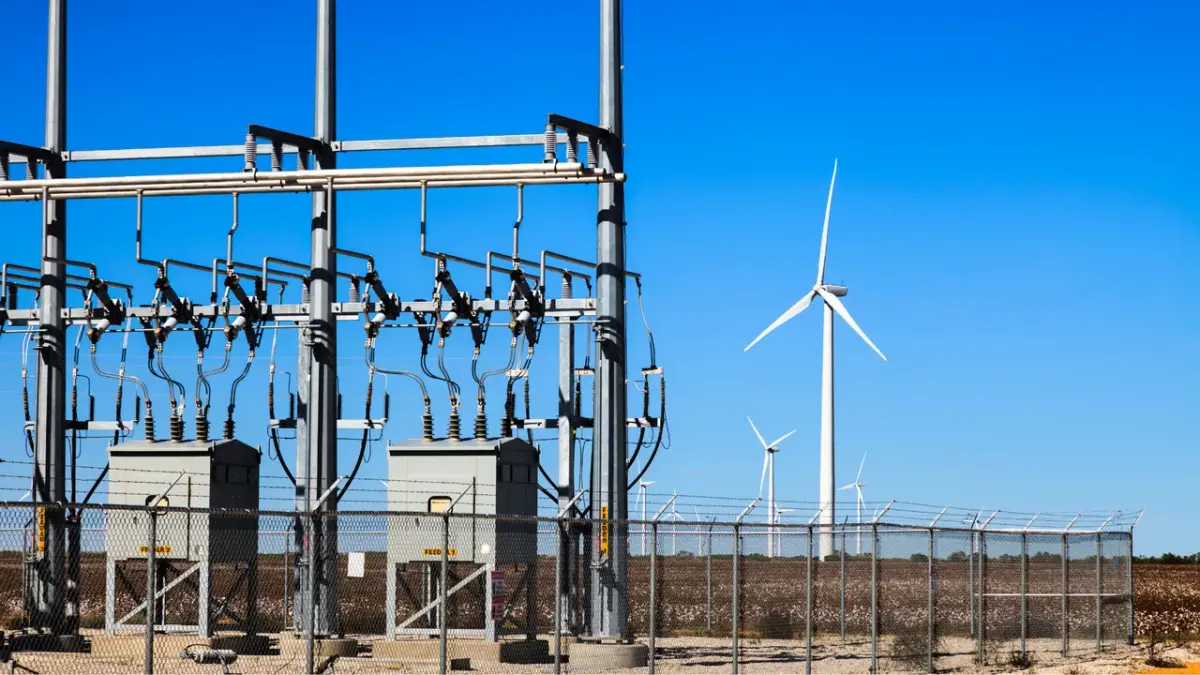
It would also reduce annual transmission losses by about 5%, require fewer transmission corridors and expand siting options for generation resources and large electrical loads.
For hyperscale developers, the practical benefit is not simply larger lines.
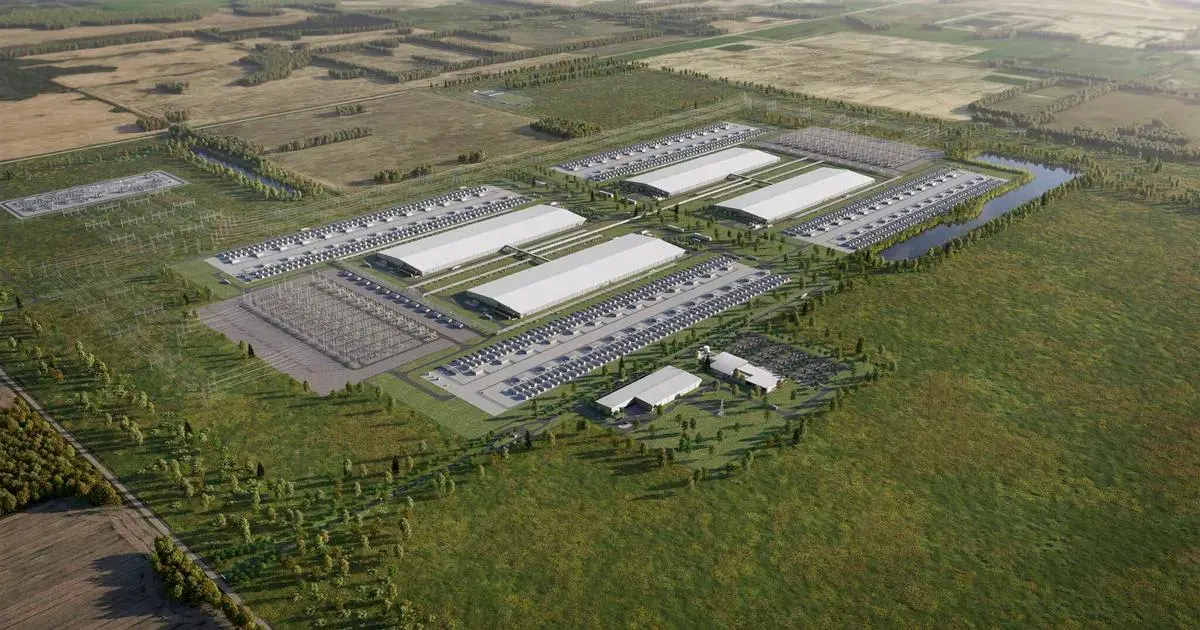
More substations could support campuses requiring hundreds of megawatts, easing congestion and giving projects more potential locations to connect to the grid.
Neil Osnato, founder of Persistence Analytics Group, told Data Center Knowledge that AI demand is “larger, faster-moving, less geographically fixed, and more sensitive to power availability” than many traditional forms of economic development.
Higher-capacity transmission, he said, allows utilities to absorb uncertainty over where data centres, hydrogen production, oil-and-gas electrification and other large loads ultimately emerge.
“Texas is not just planning for more electricity.
It is planning for uncertainty,” Osnato said.
A statewide planning bet
The strategy builds on Texas’ earlier Competitive Renewable Energy Zones transmission project.
CREZ was designed to move West Texas wind generation, but its high-capacity corridors and substations later helped attract hyperscale data centre development.
ERCOT’s 2024 Regional Transmission Plan points toward a broader version of that approach.
A statewide 765 kV network would provide greater transfer capability, reduce congestion and transmission losses, and expand siting options for generation and large electrical loads.
Major parts of both the 345 kV and 765 kV plans would still be needed even if forecast load growth falls roughly 20 GW below current expectations.
The approved Permian plan therefore places transmission investment ahead of precise knowledge about which major power users will connect or where they will locate.
Texas’ previous grid buildout helped determine where new demand could grow; the 765 kV decision extends that model to an era in which the demand itself is arriving faster and with less geographic certainty.