Galaxy’s 74 MW McGregor AI Campus Commits To Private Texas Substation
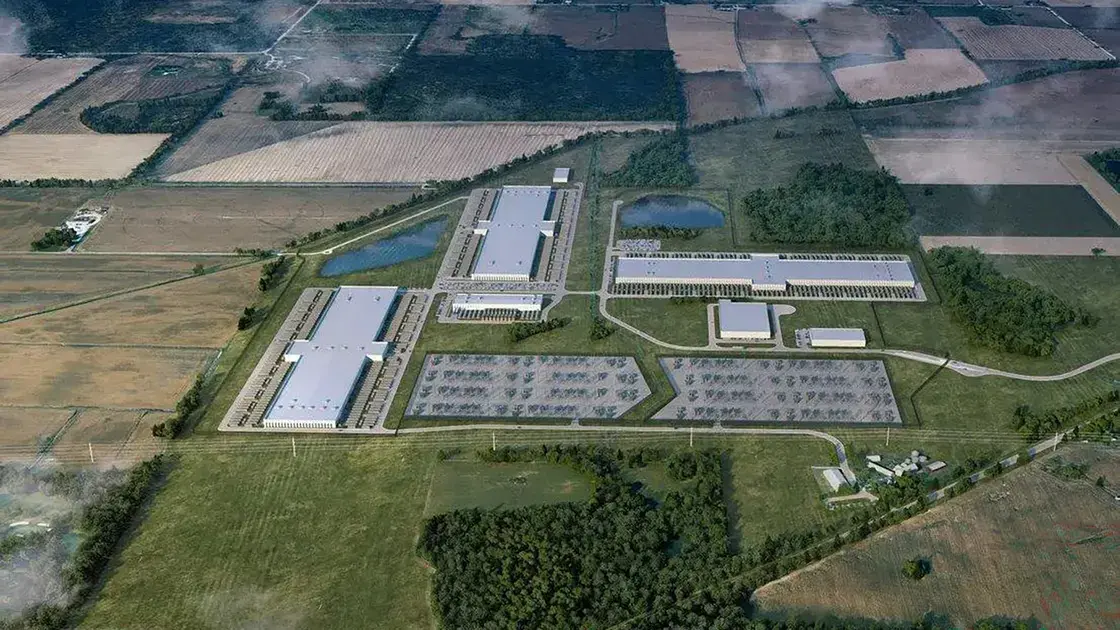
Galaxy Digital plans a 500-acre AI and high-performance computing campus in McGregor, Texas, with a 74 MW first phase and project commitments covering a private substation, utility assurances and water infrastructure.

Galaxy Digital’s planned McGregor campus starts with 74MW on a 500-acre Texas site and commits the developer to a private substation, utility assurances and separate water infrastructure.
Data Center Knowledge reported that the first phase depends on the surrounding grid package.
The project, discussed by McGregor City Council as Project Merlin, would sit about 90 miles north of Austin.
McGregor Campus Starts With 74 MW
Galaxy’s plan starts below ERCOT’s 75 MW large-load threshold.
The first phase is expected to receive power in 2028, with later expansion planned toward several hundred megawatts by 2030 once further transmission capacity is available.
The McGregor Economic Development Corporation and Heart of Texas Electric Cooperative are named as development partners.
City Council materials identify the site as an AI and high-performance computing campus rather than a conventional colocation build, emphasizing power delivery, site control, and utility confidence as central to the project.
Galaxy’s presentation to the McGregor City Council places planned investment at more than $400 million.
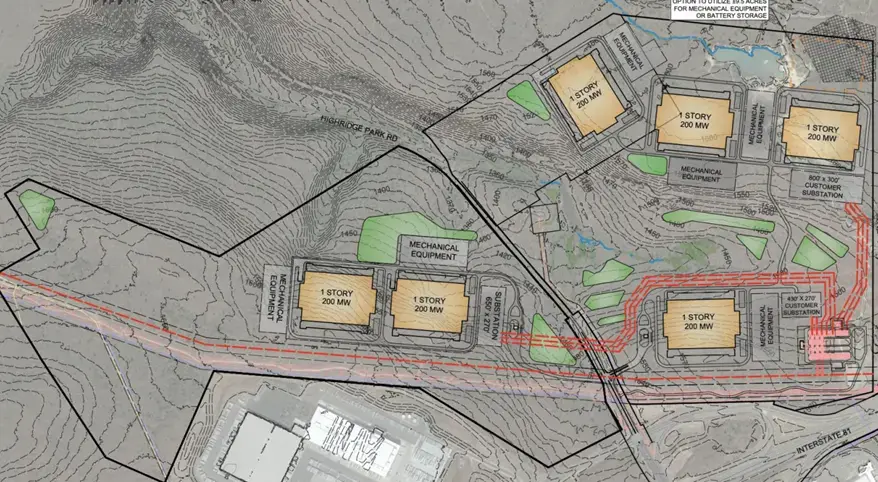
The employment section indicates a minimum of 30 full-time roles, and the campus section points to six to eight data centre buildings.
Private Substation Carries The Grid Commitment
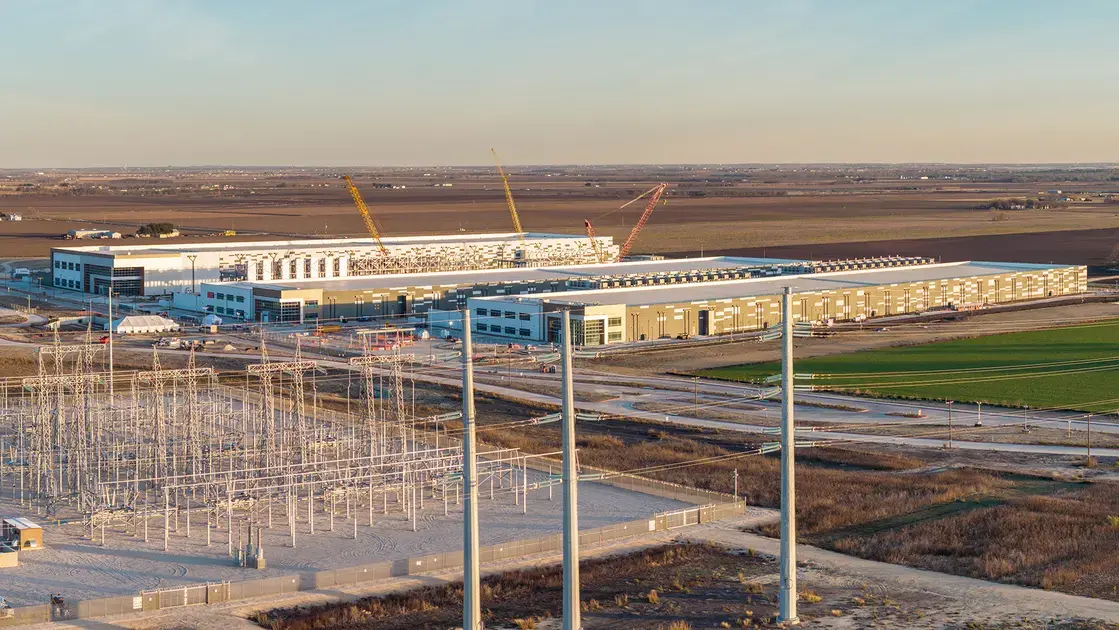
The development agreement requires Galaxy to finance and build its own private substation.
It also mandates financial security for utility upgrades associated with the campus and additional water infrastructure for the City of McGregor.
Water and noise controls are part of the same local package.
Data Center Knowledge reported that Galaxy's presentation capped consumption at about 3,000 gallons per day for each powered shell and set a 65 dBA noise limit at the property boundary.
The building section describes 11-inch precast concrete walls and nested sound-control layers around the facility.
Those commitments were negotiated before Texas Governor Greg Abbott ordered PUCT and ERCOT to draft rules making data centre developers cover required electric infrastructure while water use and other local impacts receive more oversight.
Helios Gives Galaxy Existing Load Evidence
The McGregor plan follows Galaxy’s Helios project in West Texas, not merely a paper-only campus announcement.
Earlier this month, Galaxy stated the Helios site had reached about 200 MW of gross power and 133 MW of critical IT load for CoreWeave under a long-term lease.
Neil Osnato of Persistence Analytics Group noted that the emerging model is shifting from “beneficiary pays” to “beneficiary proves.” His assessment distinguishes the cost of a substation from the durability of the load that utilities must plan around.
The second phase at McGregor is intended to position Galaxy as an anchor tenant for future transmission upgrades that could support more industrial development in the area.
Galaxy founder and CEO Mike Novogratz stated that McGregor is the next step in building a disciplined, multi-campus data centre business.
McGregor’s public record provides the city with its revenue case as well as the grid terms.
Galaxy’s presentation estimates the tax-base addition at at least $130 million, land-sale revenue at about $7.5 million, and construction employment at several hundred jobs without a property tax abatement.
Signed customers for the McGregor campus have not been named.