Google Sets €13bn Finland AI Plan With Fortum Nuclear Contract
Google plans a €13bn Finnish AI infrastructure investment covering new data centres, an expanded Hamina site and a 22-year Fortum nuclear power purchase agreement.

Google will put €13 billion into Finnish AI infrastructure and anchor part of the build-out with a long-term nuclear power purchase, BBC Technology reported from the company’s announcement.
The package is the company’s largest single investment in Europe.
It covers three new data centres, an expansion of Google’s existing Hamina site and energy projects meant to support the power demand behind AI services.
Power supply is the centre of the transaction, not a side detail.
Under the Fortum arrangement, as much as half of Loviisa’s nuclear generation will be reserved for Google over 22 years.
The station currently produces about 10% of Finland’s electricity, giving the agreement a direct link between AI computing capacity and baseload energy planning.
Finland’s appeal to hyperscale operators rests on more than available land.
Its cool climate can reduce the energy needed to chill server halls, while its low-carbon electricity supply and less congested grid make large data-centre loads easier to place than in more constrained markets.
The new facilities are planned for Kajaani, Muhos and Vaala.
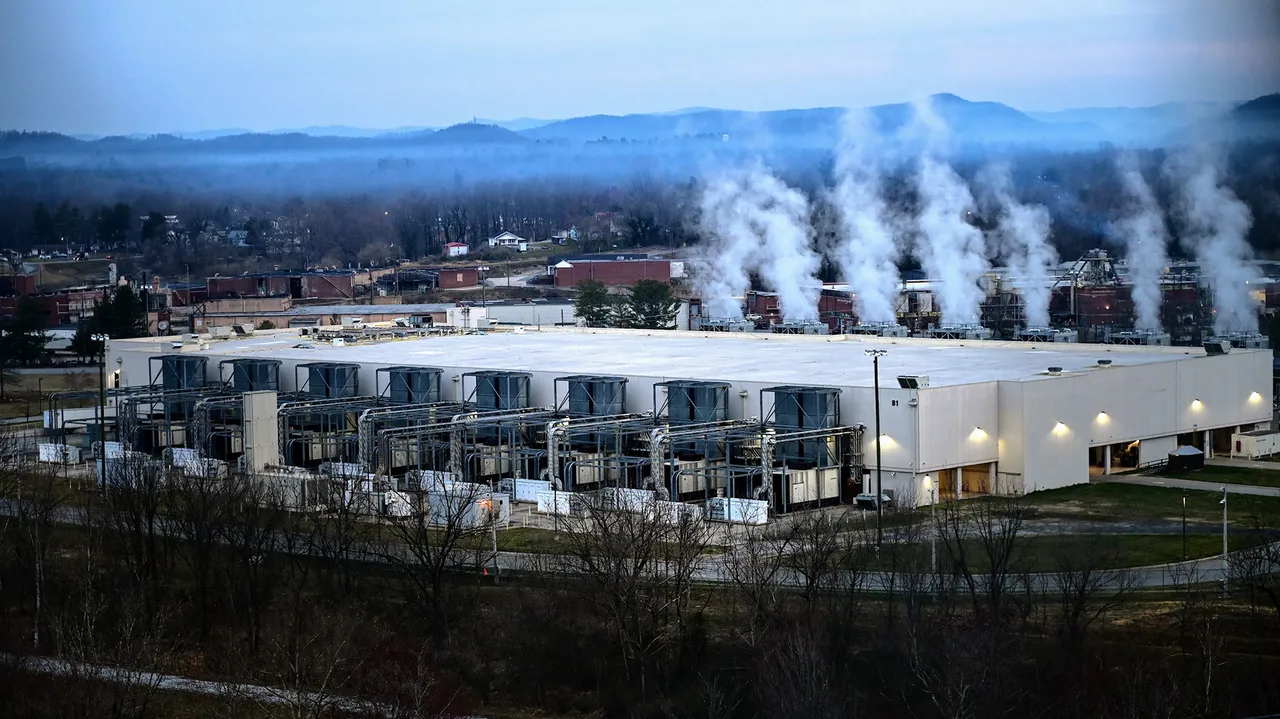
Hamina, where Google converted a former paper mill into a data-centre site in 2009, will also be expanded.
The infrastructure is intended to support Gemini as well as Search, Maps and YouTube.
The investment arrives in the same week TikTok announced a $1 billion Finnish data-centre project in Kouvola.
That separate project pointed to the country’s digital infrastructure, clean energy mix, data governance and technology workforce, underscoring how Finland is trying to turn energy reliability into an AI-infrastructure advantage.
Google expects its construction phase to support more than 37,000 jobs and lift Finland’s gross domestic product by €3.6 billion a year.
Construction is scheduled for 2027 and 2028, giving the country a near-term industrial programme tied to longer-running demand for AI computing.
The company also linked the spending to clean-energy projects, grid enhancements, energy-affordability initiatives and local funds for biodiversity, education, research and workforce development.
Alphabet and Google chief investment officer Ruth Porat said the expansion paired technical infrastructure with new energy capacity and grid improvements.
The deal also shows how AI expansion is changing the role of energy buyers.
Instead of relying only on short-term market supply, a platform operator is giving a nuclear generator a long-duration customer while securing a defined share of output for future computing demand.
For Fortum, the Loviisa agreement adds long-term financial certainty while it pursues investment to extend the nuclear station’s life and increase generation.
That makes the deal part of a wider question for AI infrastructure: data-centre growth is now being negotiated alongside electricity systems, not after them.
Alphabet raised its global capital-spending plans earlier this year to as much as $205 billion as it sought more computing capacity for AI services.
The Finnish programme now puts a defined European location, construction timetable and nuclear-supply contract around that larger push.