Waterless Cooling Becomes A Siting Test For AI Data Centres
Capacity wrote that zero-water and chip-level cooling systems are moving into AI data centre planning as operators try to reduce local water withdrawals while managing new energy trade-offs.

Waterless cooling is moving from a data-centre sustainability promise into a site-selection tool as AI campuses draw opposition over water demand, Capacity wrote in an explainer on the technology shift.
The change centres on removing evaporative cooling towers from high-density facilities.
Capacity separates the technology shift into two categories: closed-loop air or liquid cooling, and direct-to-chip systems for high-density racks.
Cooling Towers Become A Planning Risk
Conventional evaporative systems remain effective, but their water profile is becoming harder to defend in dry or fast-growing markets.
Capacity's article puts a single hyperscale facility's possible consumption at 3 million to five million gallons a day, with 30 to 40% lost through evaporation instead of being returned to the source.
That exposure changes the permitting conversation.
Waterless systems do not only reduce a utility bill; they give developers a way to answer community concerns in places where data-centre growth is being weighed against municipal supply, agriculture and power demand.
Closed Loops And Chip-Level Cooling Split The Market
Two approaches are taking shape at commercial scale.
Closed-loop or zero-water cooling is presented as the route away from potable-water draw at the facility.
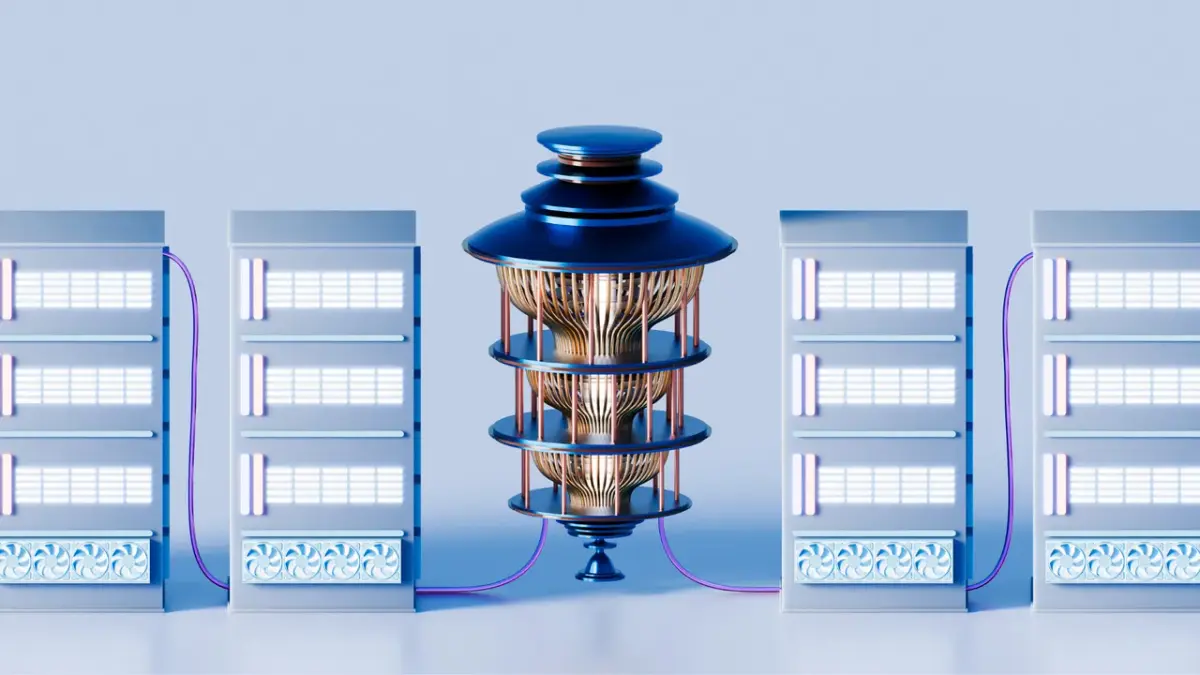
Direct-to-chip liquid cooling is the chip-level route, including two-phase systems that use dielectric fluid rather than water.
Microsoft is testing an AI data-centre cooling design that circulates liquid in a closed loop without facility water draw.
The company puts the expected saving at more than 33 million gallons for each facility per year.
Pilot sites in Phoenix, Arizona and Mt. Pleasant, Wisconsin are due online in 2026, with wider deployment planned from 2027, though the design carries a nominal annual energy-use increase compared with evaporative systems.
The available ZutaCore figure is a company-side performance claim: its two-phase liquid cooling technology removes water from the cooling loop and roughly halves cooling energy use against conventional systems.
After a $100 million raise in June 2026, the company is trying to expand deployments for AI chip densities that exceed the design range of older air- and water-based cooling.
Early Deployments Put Numbers On The Claim
Edged US put one early marker in Mesa, Arizona, where a 36MW waterless facility opened in April 2026.
For a second site in Aurora, Illinois, the annual water-saving target is above 277 million gallons, with rack densities of up to 200kW.
Across five US states, Novva Data Centres is applying water-free cooling to colocation sites and expects savings above 300 million gallons a year.
The vendor and operator list also includes Vertiv, Evolution Data Centres and Bridge Data Centres.
That spread shows that waterless cooling is no longer confined to one vendor pitch, even if deployment models differ by rack density, climate and customer workload.
The Water Question Does Not End At The Wall
Nvidia's chief sustainability officer has framed the data-centre water challenge as "largely solved" after the company's warm-water cooling announcement.
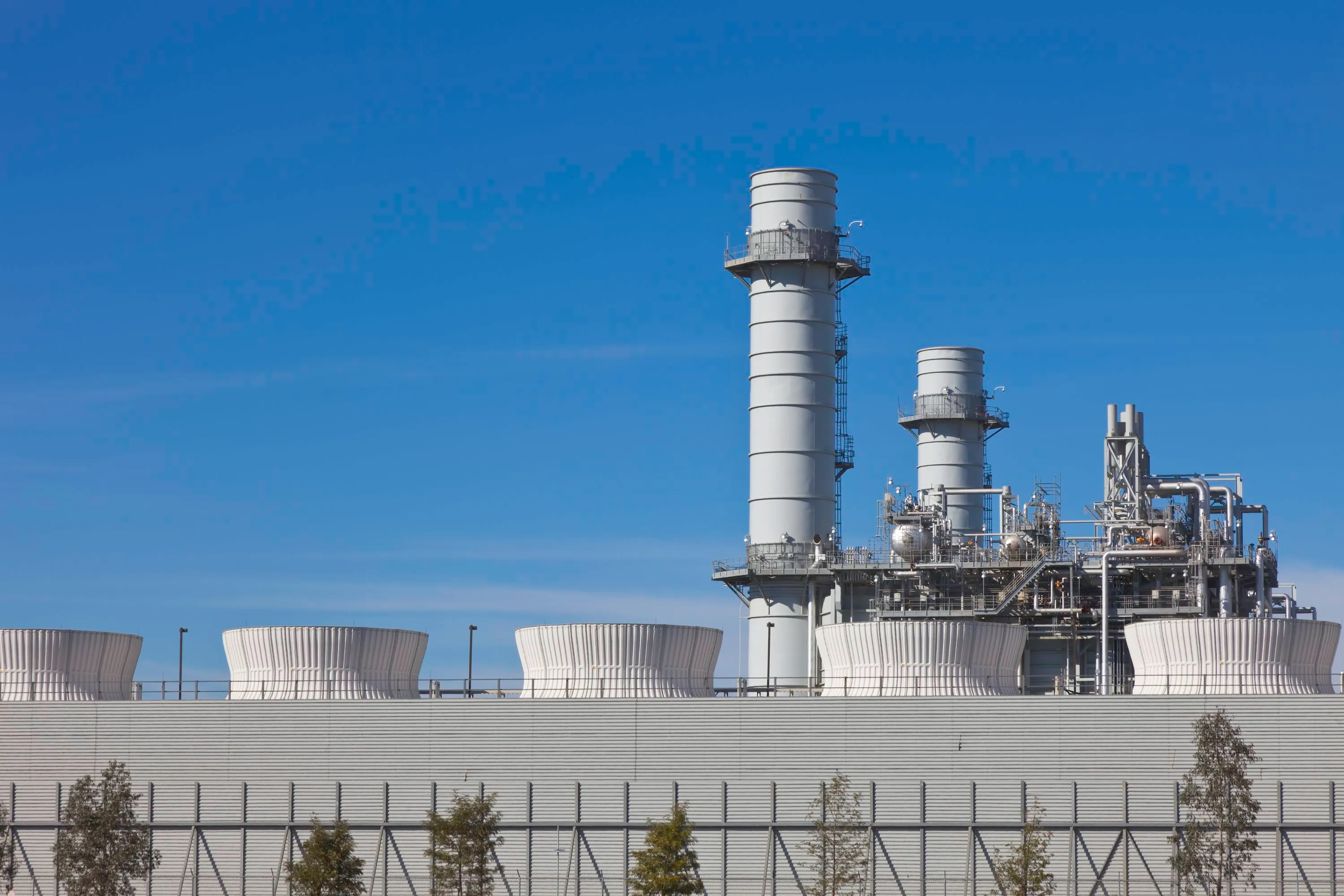
Capacity's caveat is that on-site savings do not settle the broader water footprint when AI facilities are powered by fossil-fuel generation or grids with water-intensive thermal plants.
Operating history is the next test.
The available examples show large projected water savings and several deployments, but they leave open how zero-water systems perform across hot climates, grid-constrained regions and multi-year AI workloads where energy trade-offs may matter as much as local water withdrawals.