SpaceX Terafab Plan Uses Onsite Power For $16.8 Billion Texas Campus
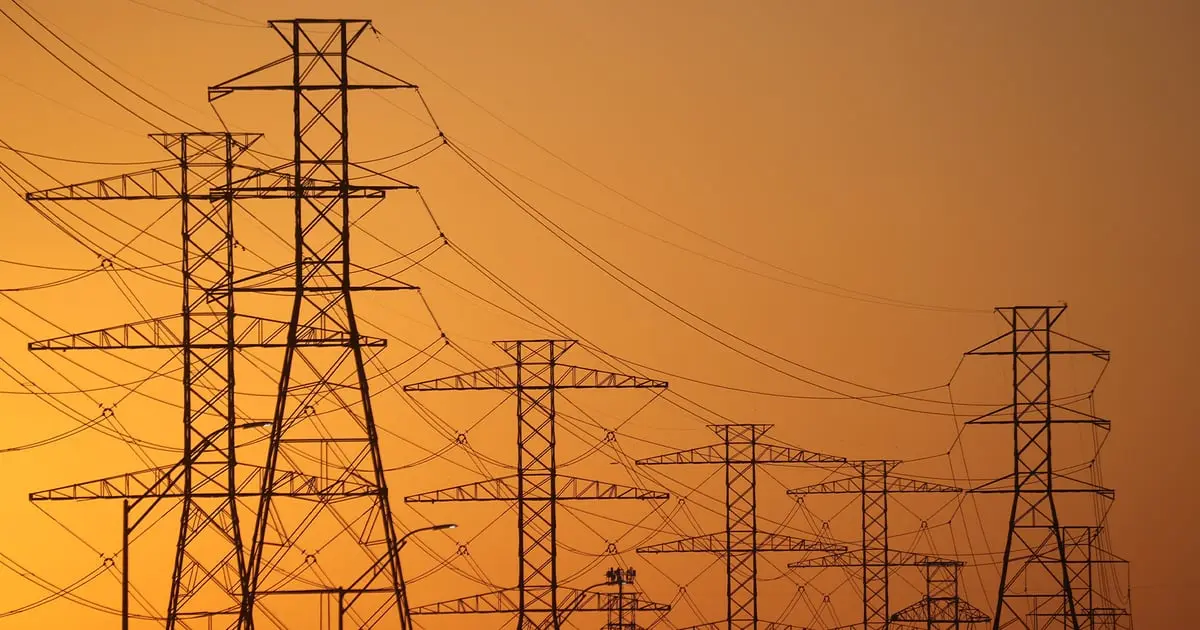
SpaceX and Tesla's planned Texas Terafab uses a county agreement that expects onsite power plants and batteries rather than routine grid electricity. The filing does not specify generation capacity, battery duration, interconnection status or emergency-power arrangements.
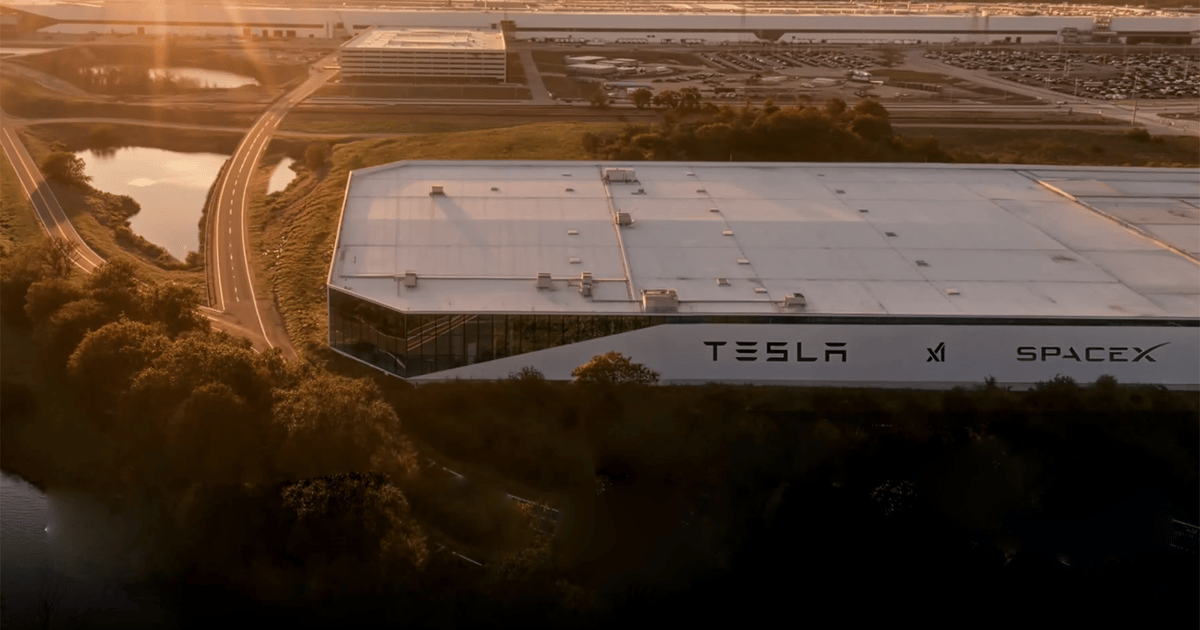
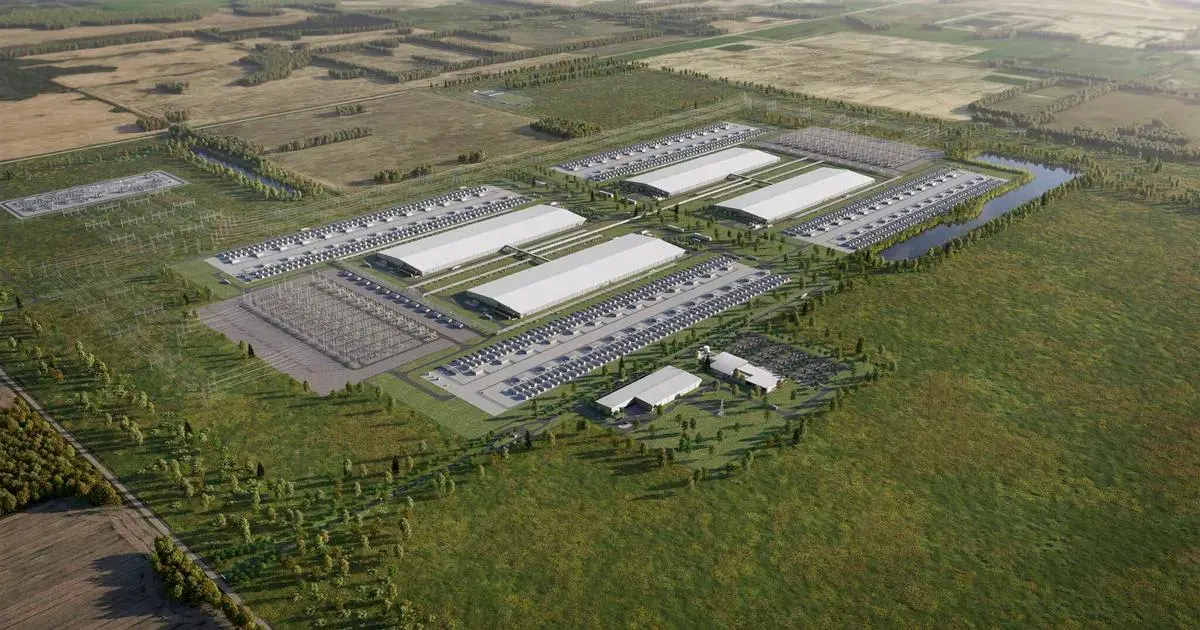
A $16.8 billion first phase for the SpaceX and Tesla Terafab campus in Grimes County, Texas, comes with a power model usually handled outside a factory fence line: Data Center Knowledge wrote that a completed county tax-abatement agreement expects the site to rely on onsite generation and battery storage, not routine grid electricity.
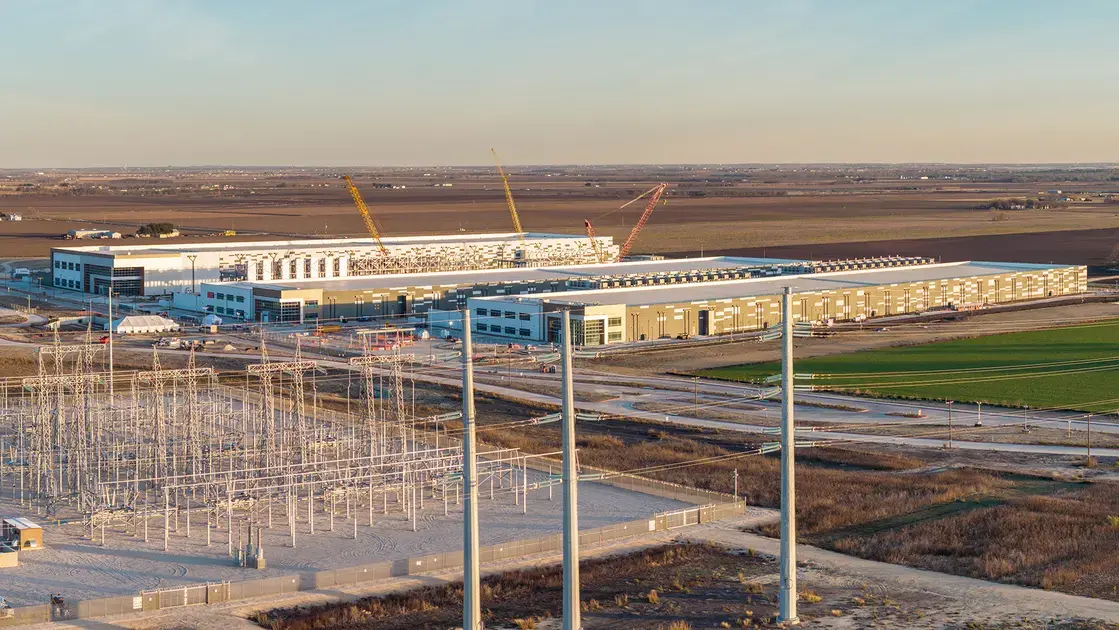
The county document describes future facilities supplied by electricity from power plants built on the site.
Grid electricity is not expected to serve operations once the project is running.
A June 3 Grimes County reinvestment-zone order lists three core pieces of the development: chip manufacturing, an AI facility and power generation.
Onsite Power Anchors the Campus
Battery storage is written into the county agreement as part of the construction, installation, maintenance and operating scope.
Generation and storage therefore sit inside the contemplated campus infrastructure instead of appearing only as emergency backup for a conventional utility connection.
Neil Osnato, founder of Persistence Analytics Group, said dedicated power is familiar in heavy industry, while a semiconductor and AI complex planning primary self-supply with essentially no normal grid draw would be far less common at this scale.
Semiconductor manufacturing needs stable voltage, frequency control and continuous power, so the planned system would have to support production quality as well as total energy demand.
The structure also shifts operational responsibility.
A campus that normally runs from its own power assets must manage reserves, restoration capability and electrical stability that a large industrial customer would usually obtain through the grid and utility systems.
Gas And Batteries Shape The Private Utility Model
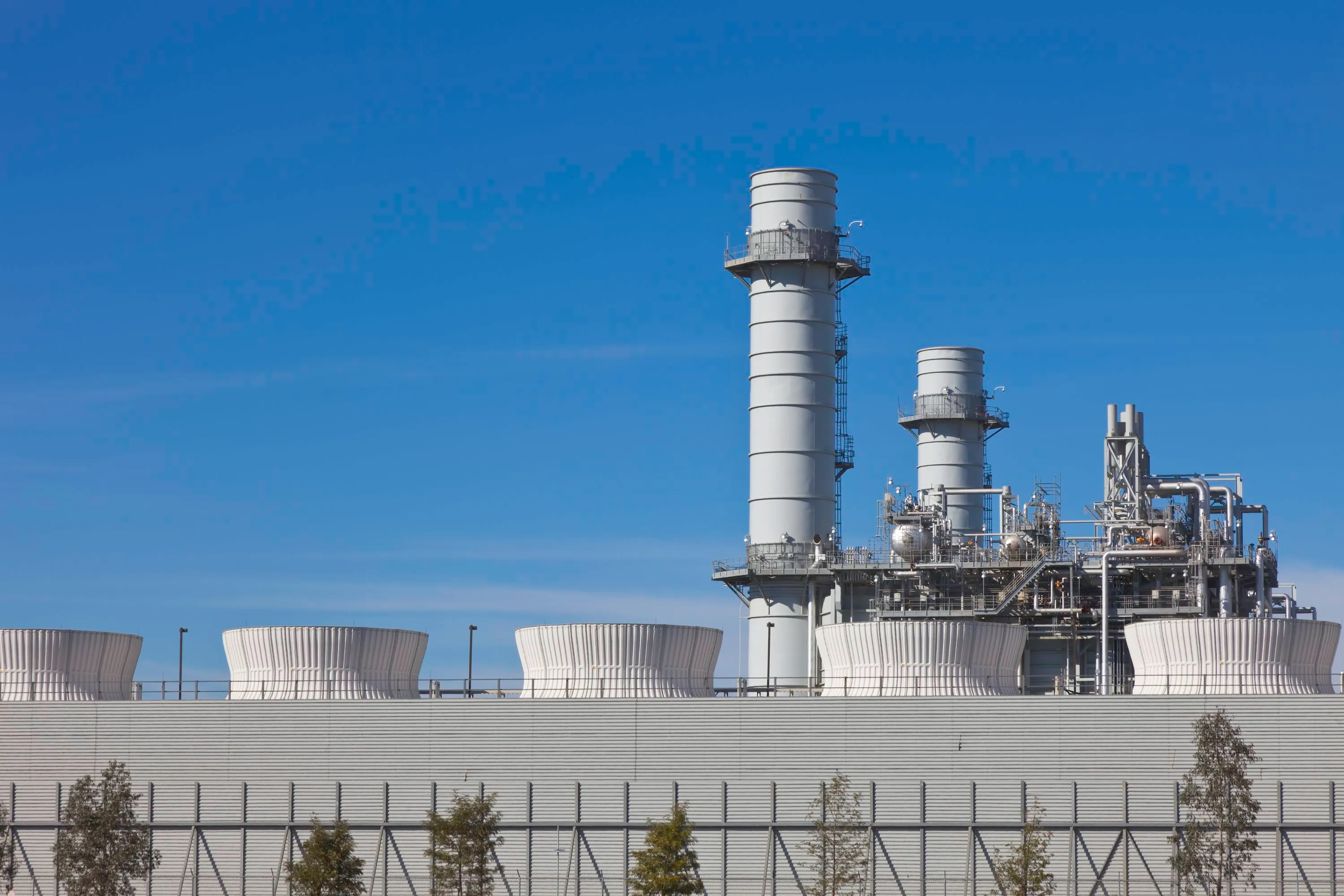
At an Aug. 5 Grimes County commissioners meeting, lead developer Riley Trettel outlined plans for gas-fired generation and large battery arrays.
The signed tax-abatement agreement leaves the fuel choice, plant technology and power capacity unspecified.
A self-supplied site would operate closer to a private utility than a standard industrial customer.
Such a model could require several generating units, reserve capacity, redundant buses and substations, black-start capability and backup gas delivery.
Batteries could respond quickly to generator trips or load changes, while gas generation would provide sustained energy.
The planned chip output has defined internal buyers.
SpaceX and Tesla have described production for Tesla vehicles, Optimus robots and SpaceX computing systems, tying the campus to manufacturing demand as well as AI infrastructure.
The agreement extends the self-contained infrastructure approach beyond electricity.
SpaceX intends to build an onsite wastewater treatment facility, control water use where commercially reasonable, promote reuse and avoid groundwater for operations except under listed exceptions.
ERCOT Role Depends On The Final Connection
A campus that normally supplies itself would lower delivered load at the Electric Reliability Council of Texas interconnection point.
The reliability burden would then move behind the fence, where SpaceX's gas supply, generators, batteries and internal electrical network would carry operating risk.
A physical grid link would still matter if the site uses startup power, emergency imports, backup service or exports.
The county agreement describes expected electricity use, but it does not say the project will be electrically islanded or disconnected from ERCOT infrastructure.
The investment scale is separated across public documents.
The first disclosed phase is $16.8 billion, while the incentive filings describe a possible four-phase buildout of as much as $119 billion.
That larger figure remains a potential programme size, not a confirmed spending schedule for all phases.
The 1 terawatt target also needs a narrow reading.
The figure refers to annual computing capacity supported by chip production, not the electrical demand of the Grimes County site and not the output rating of the onsite power system.
SpaceX has presented the project as part of a vertically integrated physical stack for AI, chipmaking and compute.
For large-load planning in Texas, the project points to a different category of demand: a site whose gross energy requirement may be very large while its routine draw from the grid could be far smaller.
The public record leaves the fuel mix, generating capacity, battery duration, interconnection status and startup or emergency-power arrangements unresolved.