Equinix Sets 2027 Roadmap For AI Inference And Network Automation
TechWireAsia covered Equinix services that put NVIDIA- and Together AI-backed inference beside Fabric One connectivity built on AWS and Google Cloud interconnect specifications.

Equinix is turning its data-centre footprint into a managed layer for enterprise AI inference and automated multicloud networking, TechWireAsia covered, with two services that both point toward wider availability in 2027.
The first service, Equinix Inference Exchange, brings NVIDIA infrastructure designs and Together AI's model-serving platform into Equinix sites.
The setup is meant to place inference capacity nearer to company data, applications and users instead of leaving every workload tied to a single public-cloud region.
The offer combines NVIDIA Enterprise Reference Architectures with Together AI support for more than 200 open-source models.
Together AI can run shared environments or reserve dedicated single-tenant capacity for customers that need separate GPU resources.
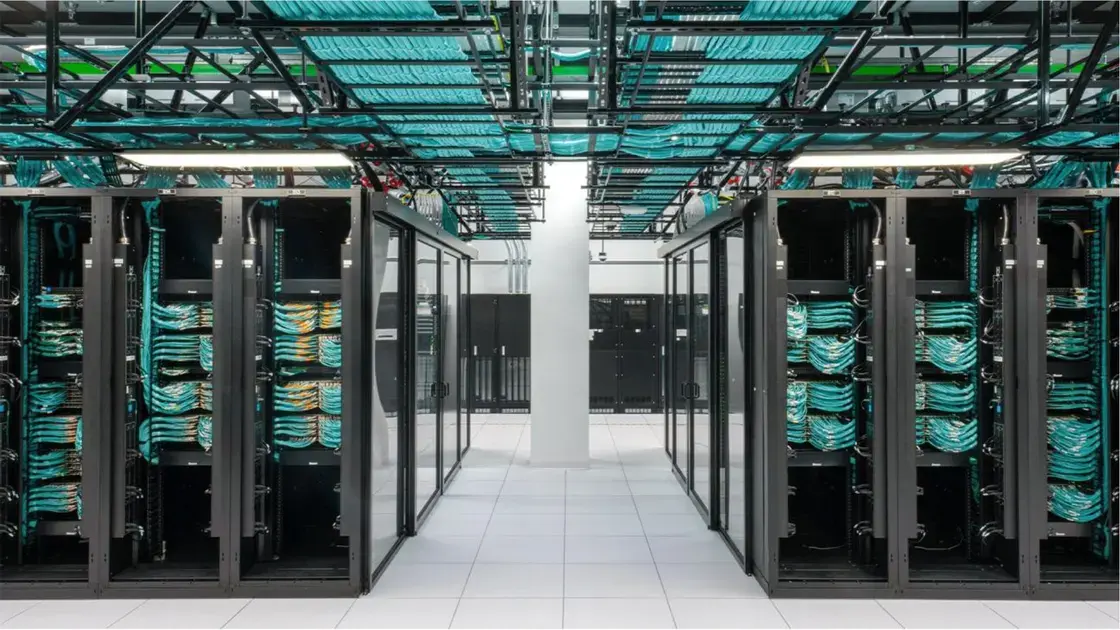
Equinix supplies the facility layer, including power, cooling, data-centre operations and connectivity through Equinix Fabric.
That mix gives enterprises a deployment route for workloads that have to account for latency, data residency or provider diversity.
Inference capacity can be located in selected metro areas, connected back to cloud services or private data sources, and used for cases such as edge inference, model migration and sovereign AI programs.
Equinix plans first-quarter 2027 availability for the inference service.
Fabric One addresses a different bottleneck: the slow work of creating and operating connections across cloud, AI and enterprise networks.
Customers will describe connectivity needs through a portal, APIs, automation workflows, agent requests or natural-language prompts, while the service handles routing, cloud links, encryption, resilience and failover.
AWS and Google Cloud are listed as lead integration partners.
Fabric One uses the OpenAPI 3.0 Interconnect work developed by the two cloud providers, including a Connection Coordinator specification for managed Layer 3 connectivity.
The design is intended to let additional providers implement the same coordination model rather than forcing customers to build each cross-cloud link separately.
The network product is scheduled for beta later in 2026 and general availability in 2027, beginning in North America.
Google Cloud integration will connect with its Cross-Cloud Network capabilities, while AWS network-services work anchors the shared interconnect specification.
Equinix is using scale as part of the pitch.
Its platform spans more than 280 data centres in 77 metro areas, more than 230 cloud on-ramps and about 3,000 cloud and IT service providers.
The company also counts more than 10,500 interconnected businesses on the network, along with active deployments from eight of the 10 largest AI model providers and nine of the 10 largest neoclouds.
The announcements make Equinix less a passive colocation supplier and more a broker for distributed AI operations.
That role depends on trust in two layers at once: physical capacity close enough to useful data sources and software coordination broad enough to cross several provider domains without creating a new integration burden.
For buyers, the practical question is not only whether Equinix can host accelerated systems.
Many already use colocation, cloud access points and private links inside the same facilities.
The change is the attempt to package inference placement and interconnect operations as repeatable services, so AI teams can choose location, capacity model and network path without rebuilding the plumbing for every application.
That approach also reflects the direction of enterprise AI spending.
Training clusters still draw attention, but production use increasingly depends on where models answer requests, how data reaches them and whether regulated workloads can remain inside approved locations.
Equinix is positioning its 2027 services around that operational layer, where latency, sovereignty, cloud choice and network reliability become part of the same deployment decision.