AI Data Centres Face Heat And Severe Weather Costs As Buildouts Move Beyond Hubs
CNBC reports that severe weather now drives a third of Zurich’s U.S. data centre builders’ risk losses, while new AI data-center construction moves into markets with grid, roof and cooling exposure.
Severe Weather Moves Up The Data Centre Risk List
AI data-center operators are facing a physical infrastructure problem as extreme heat and severe weather put pressure on cooling systems, power grids and construction risk.
CNBC reported that Europe’s current heatwave has shown how temperature spikes can strain infrastructure including factories, nuclear power plants and data centres, while higher air-conditioning demand can overload grids and cause blackouts.
Zurich’s Head of International Construction Patrick McBride told the report that severe weather has become the leading cause of loss in the insurer’s U.S. data centre builders’ risk portfolio over the past three years.
He said it now drives a third of Zurich’s losses in that portfolio, making weather a front-line planning issue for owners and insurers rather than a background exposure.
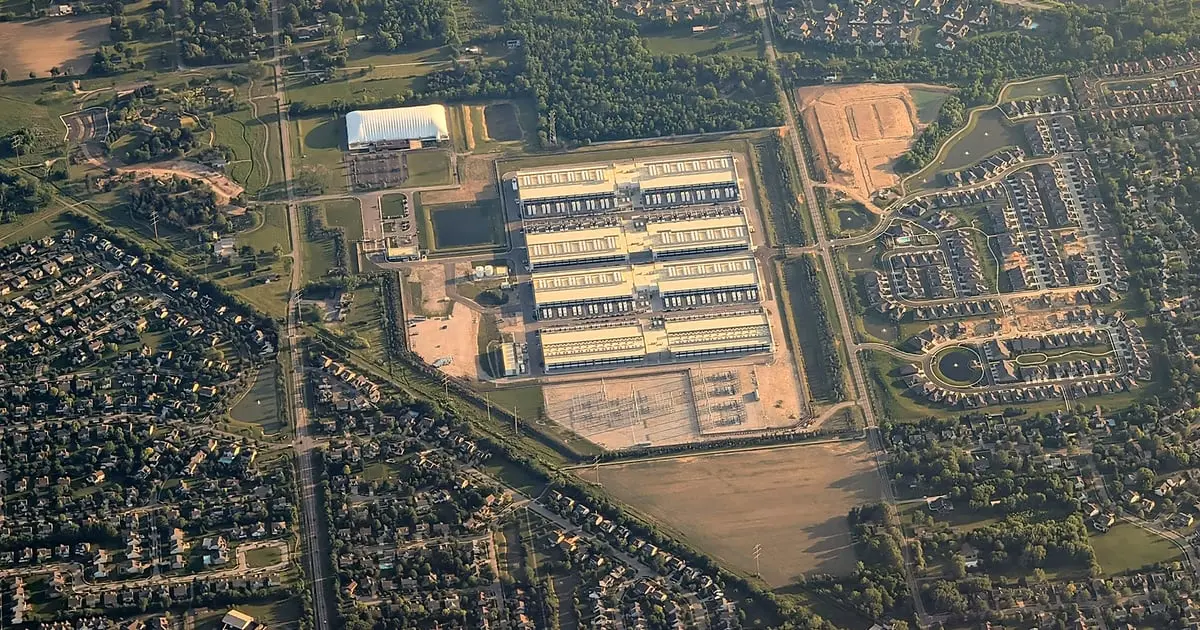
The risk is increasing as data-center construction moves beyond the largest established hubs.
McBride said many facilities are being built in suburban or rural areas where land is cheaper and historical records of extreme weather can be limited because those areas were less developed.
He said some projects now put $3 billion worth of assets across more than a mile of exposure to weather events.
Frontier Markets Add Grid And Roof Exposure
The construction shift is measurable.
McBride said 64% of data-center capacity under construction this year is outside traditional hubs such as Northern Virginia and is moving into frontier markets including West Texas, Tennessee, Wisconsin and Ohio.
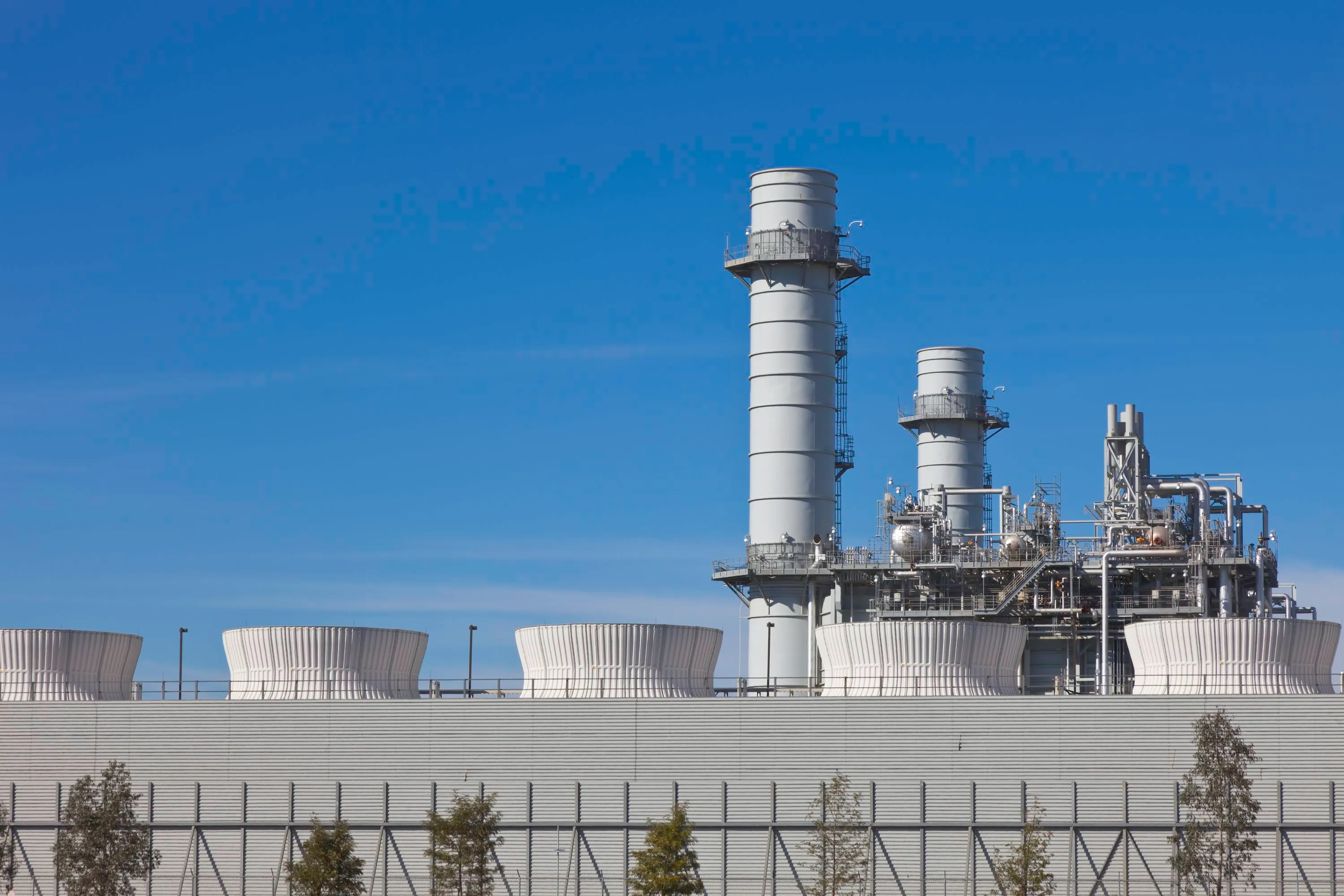
He identified tornadoes, hail and high winds as risks for large roofs with exposed HVAC systems, cooling towers and solar installations.
First Street said its climate-risk study classified 79% of global data centre capacity in an elevated-risk category for acute hazards including flooding, extreme winds and wildfires.
Joe Macejak of Marsh Risk told the report that data-center clients now have to identify, quantify and manage climate risk within their own tolerances, because unmanaged risk can raise costs and create operational shortfalls.
Heat creates a second constraint because it affects both the data centre and the electricity network.
Mishal Thadani, CEO and co-founder of Rhizome, told the report that extreme heat stresses data centres and the grid at the same time.
Thadani said cooling already accounts for around 40% of data-center energy use under normal temperatures, then rises when air-conditioning demand is also tightening grid supply.
Thadani cited Turin, Italy, where highs of around 38 degrees Celsius in May put underground cables under thermal stress and caused repeated blackouts.
He said adding facilities that draw as much power as a hundred thousand homes can put heat and load on the same wires during the worst hours.
Microsoft And Nvidia Point To Design Changes
Operators and suppliers are starting to adapt designs.
Microsoft told the report that it designs data centres to operate reliably across a wide range of environmental conditions, using site selection, redundant systems and real-time monitoring to manage risks from extreme heat and severe weather.
Nvidia said last week that its new AI servers can run cooling liquid at 45 degrees Celsius.
The company also said raising chiller temperatures by just one degree can reduce cooling energy costs by about 4%.The public record still lacks independent benchmark validation or customer-level operating data for the energy-savings figure.
Johnson Controls executive Aaron Lewis told the report that the data-center boom is pushing cooling technology forward.
He said his company already tests data-center cooling equipment across temperature ranges and recently saw a European client add a climate-change factor to specifications so facilities are designed for temperature rises.
The the report report identifies weather, heat, cooling and grid stress as operating risks for AI infrastructure, The public record still lacks named outage losses for Microsoft or Nvidia data centres, site-level insurance premiums, or a public timetable for when new planning models will fully account for more frequent extreme heat.