SAP Closes Prior Labs Deal For Tabular AI Models
SAP has closed its Prior Labs acquisition and committed more than EUR1 billion over four years to a Freiburg AI lab whose models work on structured business data rather than general chatbot content.
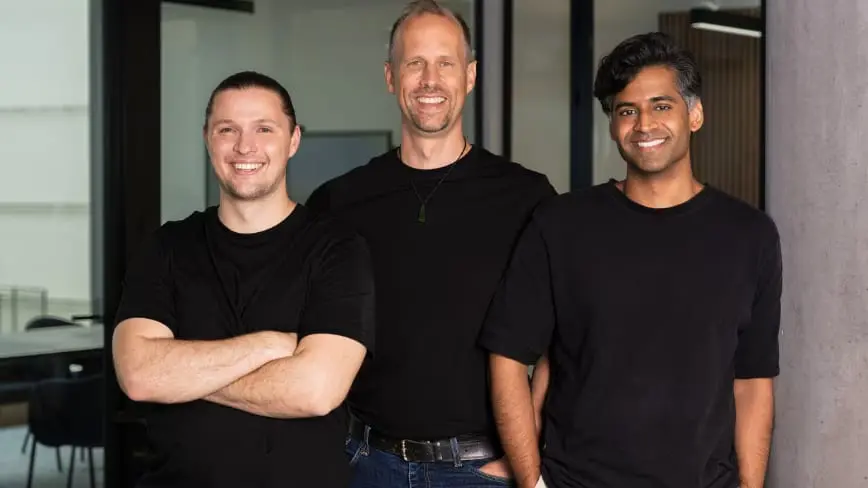
SAP has closed its acquisition of Prior Labs, giving the German software group a Freiburg-based AI lab focused on tabular foundation models.
SAP is committing more than EUR1 billion over four years after regulatory approvals, while Prior Labs keeps its brand, Freiburg base, open-source models and an advisory board that includes Meta's Yann LeCun.
Prior Labs Targets Rows, Columns And Business Records
Prior Labs builds models for rows and columns: spreadsheets, databases and business records.
That focus is the reason the deal fits SAP's enterprise-software base.
SAP customers already run finance, procurement, HR, supply-chain and risk processes on structured records, so a model built for tables sits closer to the operating data than a model built mainly for text, images or audio.
The lab's TabPFN model was published in Nature and placed its tabular-prediction results across hundreds of independent studies.
The model forecasts and classifies from structured datasets rather than prose.
For SAP, the product question is whether that research can become reliable behaviour inside existing enterprise workflows.
Financial risk, loan approvals, predictive maintenance on railways and cancer diagnostics are areas where Prior Labs' technology has already been used.
Those examples are not SAP product deployments, but they show the kind of records the acquired models are meant to process: decisions, exceptions, histories and measurements stored in business systems.
SAP Needs Product Integration Proof
SAP's broader autonomous-enterprise strategy includes more than 200 AI agents and automation in its AI studio, in TNW's account.
That context is useful because agents in enterprise software need access to structured data, permissions and process histories before they can do more than produce text around a workflow.
The acquisition gives SAP a specialised model team for the kind of data that already sits inside enterprise resource planning, procurement and supply-chain systems.
If Prior Labs' models are embedded into those products, the value would come from prediction and classification inside live business workflows rather than from another general chatbot layer.
The company has also frozen hiring and travel to fund the wider AI push.
Keeping Prior Labs in Freiburg lets SAP present the deal as European enterprise-AI investment, not only as a talent acquisition.
Microsoft, Google and AWS are also moving into structured-data models, TNW reported.
SAP's advantage will come from product integration: where the models appear first, what customers use them for and whether live systems show better prediction, classification or workflow results from business records.
SAP has not disclosed first customer deployments, product integration dates, pricing or measured performance results for Prior Labs models inside live enterprise systems.