Nvidia Brings Wall Street Into $500B AI Infrastructure Push
Nvidia has brought Apollo, BlackRock, Blackstone, Brookfield, Goldman Sachs and KKR into a $500bn AI infrastructure financing push that treats compute as an asset class.

$500bn in proposed AI infrastructure financing now sits behind Nvidia’s partnerships with Apollo, BlackRock, Blackstone, Brookfield, Goldman Sachs and KKR, BBC reported, making the chipmaker’s compute supply chain a capital-markets story as much as a hardware story.
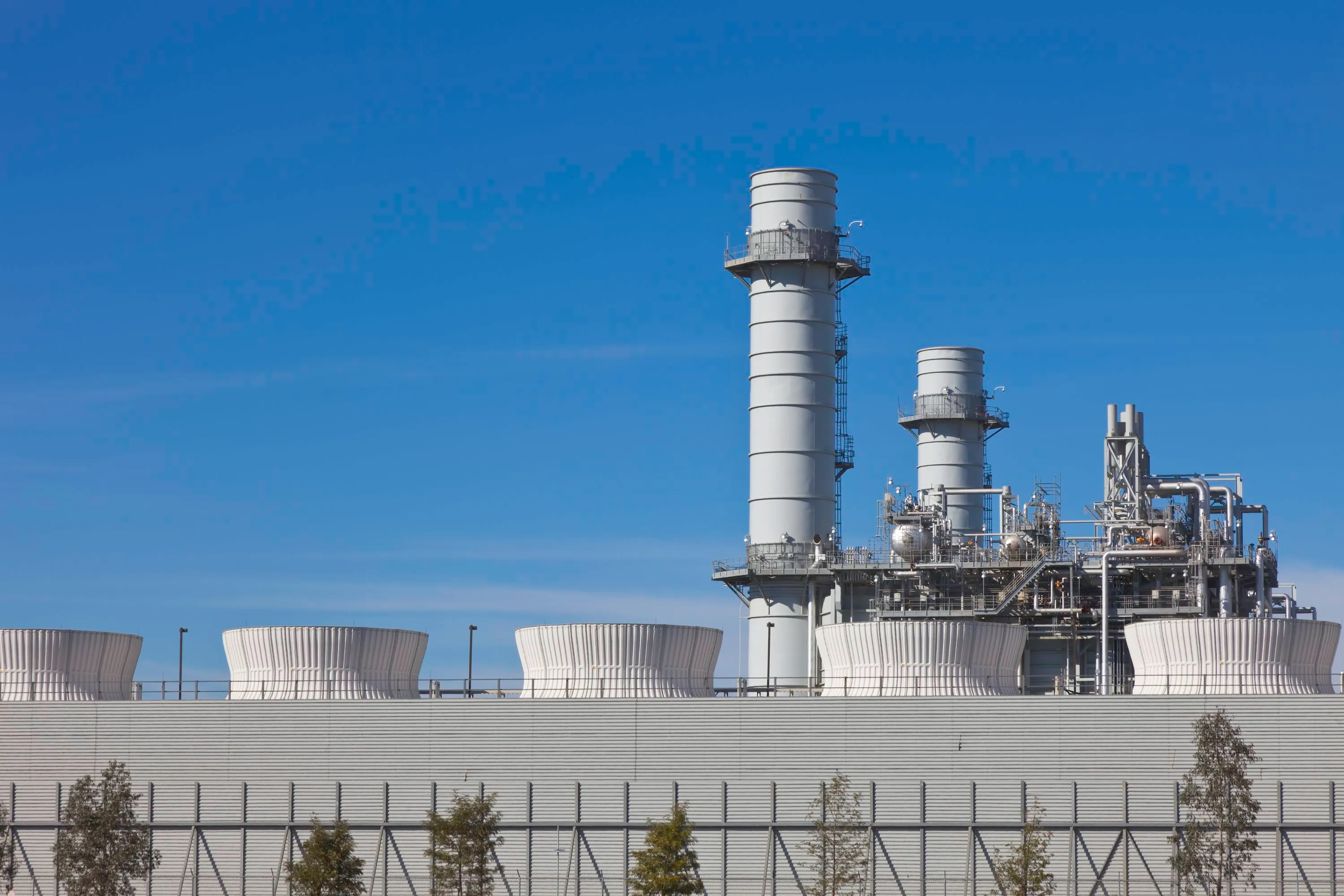
The structure gives Nvidia and its partners a route to fund data centres, chip factories and other projects needed to keep AI systems running.
It also signals that large asset managers and banks are treating compute capacity as an infrastructure asset class, closer to power grids, logistics hubs or telecom networks than to ordinary technology spending.
Capital Is Moving Toward The Physical AI Stack
The financing push lands after three years of heavy AI infrastructure spending by the largest technology companies.
Google, Meta, Amazon, Microsoft, SpaceX, Tesla, OpenAI and Anthropic all rely on Nvidia graphics processors for AI platforms, services and chatbots, while collective AI project and infrastructure spending by major companies has exceeded $1tn over that period.
That demand has lifted Nvidia’s market value fivefold in three years and widened the bottleneck beyond chips alone.
Data centres need land, power, cooling, network connections and thousands of accelerators installed in facilities that can operate at industrial scale.
New factories are also part of the plan, because the same capital cycle must increase the availability of AI chips as well as the buildings that hold them.
Nvidia’s pitch frames those facilities as “AI factories,” a term that shifts the story away from servers bought by cloud providers and toward production infrastructure financed by long-term capital.
For investors such as Apollo, BlackRock, Blackstone, Brookfield, Goldman Sachs and KKR, the attraction is not only exposure to AI software demand but ownership or underwriting of the physical capacity that demand requires.
Financing Risk Moves Alongside Compute Demand
The arrangement does not eliminate execution risk.
KKR’s leadership framed delivery, not ambition, as the hard part of digital infrastructure, and the same constraint applies across the AI buildout: power availability, construction timelines, cooling requirements, chip supply and customer utilisation will decide whether financing can become productive capacity.
The BBC account also places Nvidia’s move within a wider race to finance AI infrastructure outside ordinary corporate capital budgets.
BlackRock recently struck a separate arrangement with Meta to finance and hold a majority ownership stake in a Texas data centre.
Anthropic has entered a financing deal with Macquarie Asset Management and Singapore’s GIC as demand for Claude requires more compute.
For cloud and AI customers, the cost of intelligence is being pushed into assets with long payback periods.
If compute is treated as scarce infrastructure, access to capital may become as important as model design or chip allocation.
Companies with strong financing partners will be better positioned to secure capacity, while smaller developers may face higher prices or longer waits when demand tightens.
Delivery now determines how far the financing can go: the partners can widen the pool of capital, but the AI boom still depends on powered sites, cooling systems, chip supply and usable compute capacity coming online at the same pace as demand.