Gillibrand Seeks Memecoin Ban After Trump Crypto Disclosure
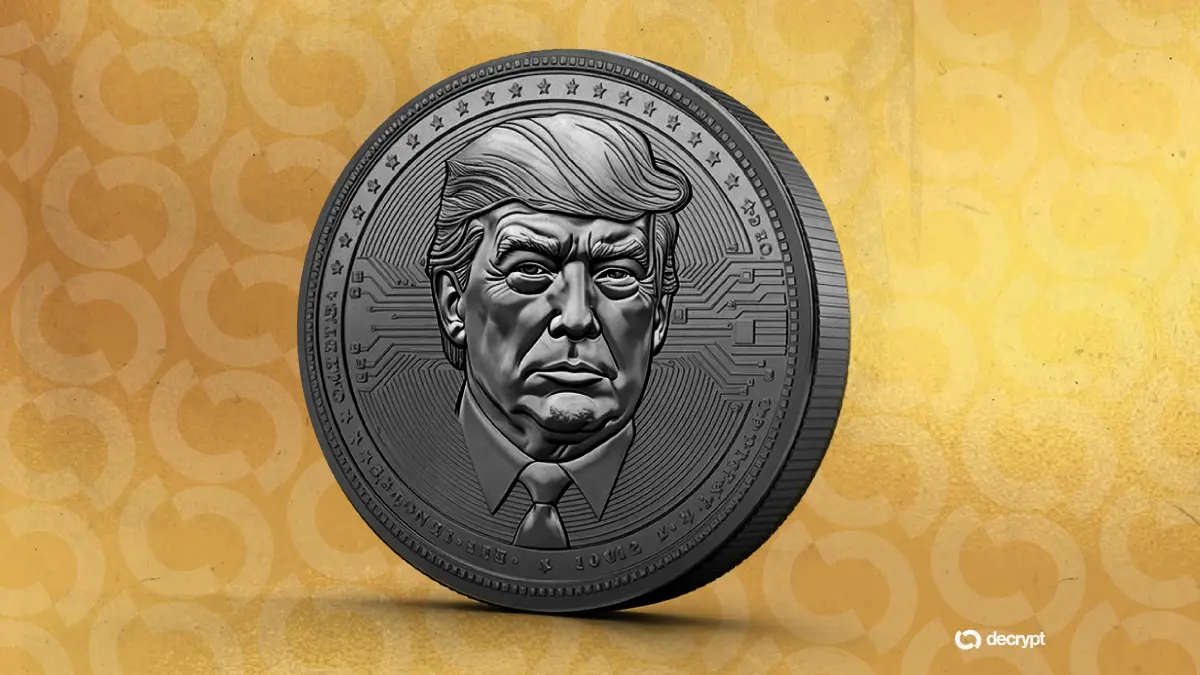
Senator Kirsten Gillibrand is renewing her push for elected officials and their spouses to be barred from issuing or promoting crypto assets, including memecoins. Decrypt reported that President Donald Trump's annual financial disclosure listed more than $1.2 billion from crypto ventures last year, including more than $635 million from a Solana-based memecoin.
Gillibrand Calls For A Public-Official Memecoin Ban
Senator Kirsten Gillibrand is renewing a push to stop elected officials and their spouses from issuing or promoting crypto assets, including memecoins, after a new financial disclosure showed large crypto income tied to President Donald Trump.
In remarks reported by Decrypt, Gillibrand said public officials and their spouses should not issue memecoins.
She linked the proposal to consumer protection, illicit-finance enforcement and concerns about self-dealing by officials who can influence crypto policy while also benefiting from token ventures.
Gillibrand framed the dispute around ethics in public office, not token prices.
Her proposal connects political office, family crypto projects and market-structure legislation because official decisions can affect the value or legitimacy of crypto products.
Trump Disclosure Lists More Than $1.2 Billion From Crypto
The U.S. Office of Government Ethics released Trump's annual financial disclosure, which Decrypt described as listing more than $1.2 billion from crypto ventures last year.
The outlet also reported that the president earned more than $635 million from his Solana-based memecoin alone, while First Lady Melania Trump also benefited from memecoin activity during the year.
The disclosure gives Gillibrand's proposal a specific conflict-of-interest target: elected officials could create or promote digital assets while the same government is setting rules for crypto markets, stablecoins and decentralised finance.
Gillibrand has described herself as supportive of crypto policy work, but her statement put limits around public-office ownership of token projects.
She said ethics reforms should prevent members of Congress, the president and their spouses from cashing in on their office.
Prediction Markets And Stock Trading Frame The Ethics Push
Gillibrand's latest call follows other ethics proposals involving financial markets.
Earlier this year, she led a bipartisan effort to stop members of Congress from placing wagers on prediction markets during scrutiny over possible insider trading.
She has also supported banning stock trading by public officials while they are in office.
The memecoin proposal sits alongside Gillibrand's prediction-market and stock-trading proposals.
Prediction markets, stocks and crypto tokens raise different legal questions, but each measure addresses whether officials can profit from instruments affected by non-public information, regulatory influence or public trust.
The ethics dispute also reaches the Clarity Act market-structure bill.
Gillibrand said in May that the bill would not pass without an ethics provision extending to the actions of President Trump.
The bill later advanced through a key Senate vote without a completed agreement on ethical guardrails for public officials.
Crypto Bill Still Lacks Completed Ethics Guardrails
The unresolved legislative question is whether a crypto market-structure bill can move while the memecoin ethics dispute remains open.
Galaxy researchers said the bill's chance of passing this year had slipped to around 50-50 because of limited time rather than the substance of the bill.
Lawmakers can support crypto market structure while still disagreeing on whether officeholders and spouses should be able to launch or promote tokens.
Ethics language remains a potential condition for a wider digital-asset regulatory package.
The proposal remains tied to Senate negotiations over broader crypto market-structure legislation.
Completed Senate ethics language, a committee vote on the memecoin restriction, House support, enforcement penalties or a timetable for attaching the proposal to the Clarity Act remain outside the public record.