Treasury Stablecoin Rule Sets 2027 Licensing Test for US Sales
A Treasury proposal would define which stablecoins can be issued or sold in the United States, with issuer licensing starting in 2027 and broader platform-sale restrictions in 2028.

Treasury's proposed GENIUS Act rules would set the conditions for U.S. issuance and sale of payment stablecoins, Decrypt reported, turning last year's statute into a licensing test for issuers and a distribution test for exchanges before the market's next compliance deadline.
The draft puts Section 3 of the GENIUS Act into regulatory form after President Donald Trump approved the statute in July 2025.
From January 18, 2027, stablecoin issuers generally must hold a federal or state license before their tokens can be issued or sold in the United States.
Tokens issued overseas would still be eligible for U.S. distribution when the issuer honors American legal orders and operates under arrangements linking U.S. authorities with its home regulator.
That condition ties cross-border stablecoin access to enforcement cooperation, not only to reserve design or trading demand.
A second date sets the platform-side pressure point.
Starting July 18, 2028, crypto exchanges and other digital asset platforms would generally be barred from selling stablecoins to U.S. customers unless the token is issued by a permitted payment stablecoin issuer.
Treasury's draft also describes conduct that could violate the rule.
The restriction could reach outreach to U.S. buyers, marketing that presents a token as available domestically, a sale completed after an inbound inquiry, or assistance that lets users evade location controls such as IP screening.
Treasury Secretary Scott Bessent wrote on X that the GENIUS Act established "clear rules of the road for payment stablecoins" and that Treasury was moving quickly to implement the framework.
He also framed the rulemaking as a way to give businesses regulatory certainty while supporting the dollar's reserve-currency role.
Public comments are due by October 19, 2026, 60 days after the proposal's publication in the Federal Register.
That schedule gives exchanges, issuers and wallet providers a defined window to challenge how the licensing and foreign-issuer conditions would work before the 2027 effective date.
The Treasury proposal follows other federal stablecoin rulemaking.
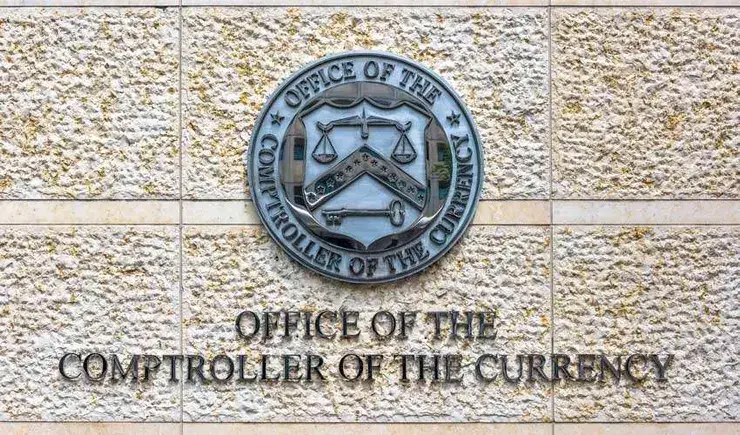
The Office of the Comptroller of the Currency proposed issuance and oversight rules in February, the FDIC followed in April with requirements covering reserves, redemptions, capital and risk management, and Treasury separately proposed anti-money-laundering and sanctions rules requiring issuers to report suspicious activity and retain freeze or blocking capability.
Crypto industry objections have focused on how far issuer responsibility should extend after stablecoins enter secondary markets.
Paradigm and the Hyperliquid Policy Center warned in June that making issuers responsible for tokens after they circulate through decentralized finance could push activity away from compliant issuers rather than strengthening supervision.
For payment companies and crypto platforms, the proposal makes distribution status as important as the token itself: by 2028, the question will be not only whether a stablecoin trades, but whether the issuer qualifies for U.S. sale.