FiberLight CEO Says AI Data Centres Now Follow Power Before Incentives
Capacity wrote that FiberLight CEO Bill Major sees power availability overtaking tax breaks and land costs in AI data centre site selection, with fibre connectivity still required for usable compute capacity.

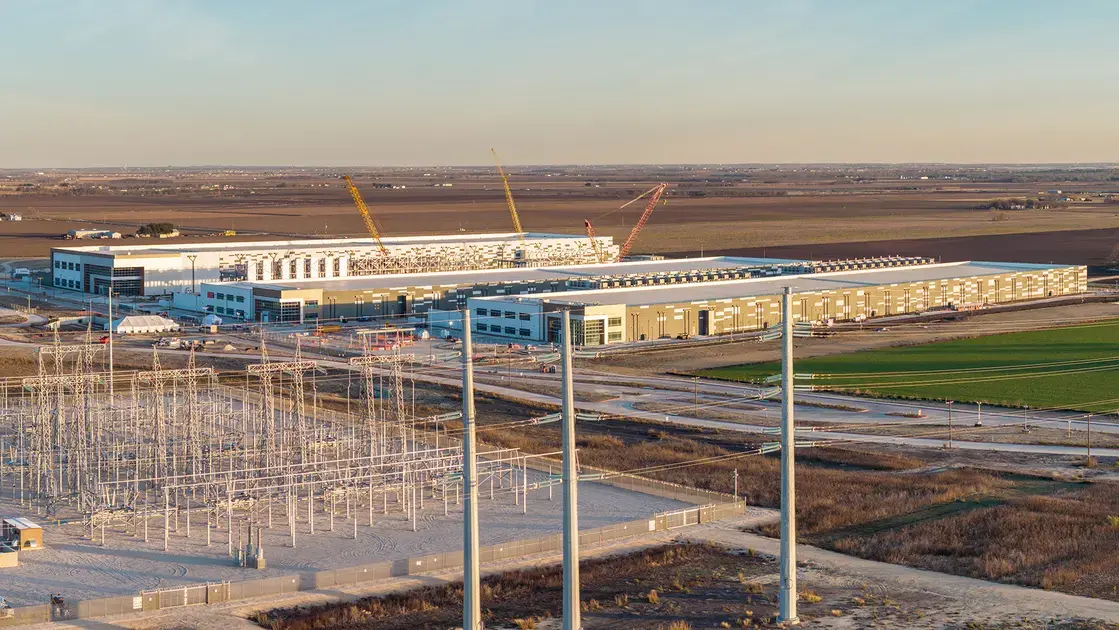
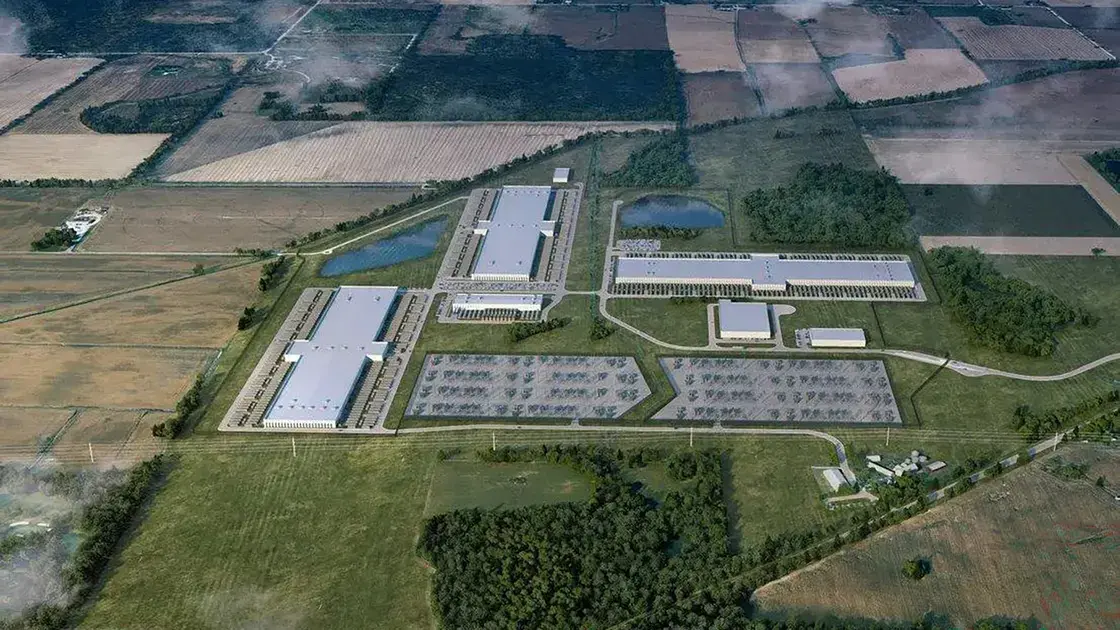
Power availability is replacing tax breaks as the first filter for AI data centre sites, Capacity wrote, turning fibre connectivity and grid timing into the infrastructure test behind the next wave of compute campuses.
FiberLight chief executive Bill Major pointed to Oklahoma and Western Pennsylvania as examples of the shift.
Developers that once opened negotiations around incentives now ask whether a site can provide enough power and when that power will arrive.
Power Becomes The First Site Filter
Oklahoma has drawn major investment from Meta and Google, while Amazon has committed $20 billion to AI infrastructure in Pennsylvania.
The common factor is not only land or subsidies; existing energy resources can bring capacity online faster for large AI facilities.
Major says incentives still matter, but they no longer solve the central constraint.
Viable markets need power, land, water where required, workable permitting and fibre links that can move data between compute sites and the wider network.
Off-Grid Power Leaves A Fibre Test
Behind-the-meter generation and natural gas can shorten waits when grid connections lag.
Those options also move capital costs, fuel exposure, emissions and permitting complexity onto the developer.
A self-powered campus can still be stranded if fibre is not ready to move training data, inference traffic and enterprise workloads in and out.
Site decisions are therefore becoming power, compute and connectivity decisions rather than a sequence of separate procurement steps.
Texas Audit Meets A Five-Year Build Plan
Texas has added another constraint through Governor Greg Abbott's data centre audit, which examines grid impact, ratepayer costs, water resources and infrastructure funding.
Major called the review a measured approach after the state's experience with grid stress.
FiberLight's own Texas projects are already approved and under construction on a five-year planning horizon.
Earlier in 2026, the company announced a $500 million West Texas network expansion for data centre, hyperscaler and AI workload demand.
FiberLight's West Texas commitment keeps the immediate test concrete: power may decide where AI campuses land, but fibre determines whether those campuses can function as part of the broader compute network.