UAE PMI Falls To 50.8 As June Hiring Contracts After Hormuz Disruption
S&P Global Market Intelligence said the UAE non-oil PMI fell to 50.8 in June from 52.6 in May, with employment contracting for the first time in more than four years. The survey cited client caution, sparse tourism activity and supply-chain disruption, but did not give company-level job cuts or revenue losses.
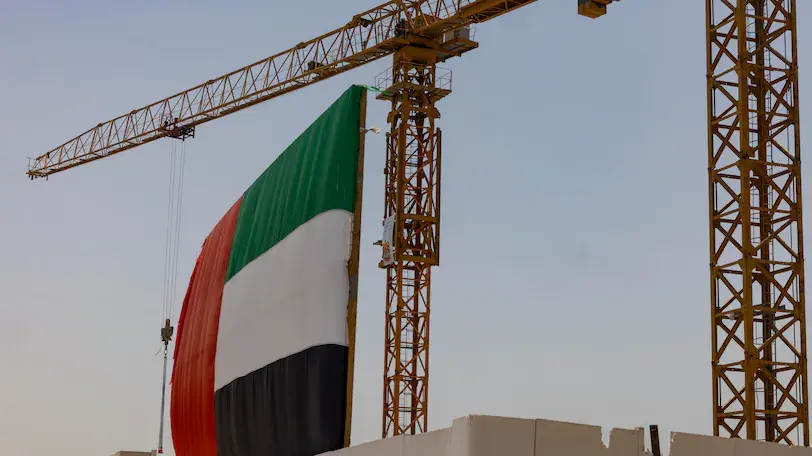
The UAE’s non-oil private sector remained in growth territory in June, but activity slowed to its weakest pace in five years as the fallout from the Iran war weakened demand and pushed employment into contraction.
The seasonally adjusted S&P Global UAE Purchasing Managers’ Index fell to 50.8 from 52.6 in May.
A reading above 50 indicates growth, while one below 50 signals contraction.
The June result marked only a marginal improvement in operating conditions, the weakest since February 2021.
Resilient domestic spending and public investment supported businesses, but geopolitical disruption, cautious clients and competitive pressure weighed on the broader economy.
Employment contracted for the first time in more than four years, in one of the sharpest reversals since August 2020, during the Covid-19 pandemic.
Companies reduced staffing as demand weakened, costs rose and productivity drives continued.
The cuts helped stabilise wage costs for the first time in nearly three and a half years.
“The robust nature of the drop in employment underscores the hit to firms from the double whammy of soft client demand and rising cost burdens,” said David Owen, principal economist at S&P Global Market Intelligence.
“While there were modest signs of an improvement in June, new business growth remained relatively mild, as clients continued to delay spending and tourism activity remained sparse.”
The survey followed four months of disruption caused by the US-Israeli war with Iran, which began on February 28 when Israel and the US bombed Iran.
Tehran attacked Arab neighbours and the Strait of Hormuz was closed, disrupting supply chains across the region.
Hospitality, aviation and tourism were among the sectors hit hardest.
A two-month ceasefire agreed by the US and Iran in June reopened the strait to shipping and eased some pressure on Gulf economies.
Greater shipping movement through the waterway also shortened delivery times.
Owen said easing geopolitical tensions should help firms recover demand and normalise supply chains, although client caution and reduced staff capacity pointed to a gradual rebound.
Construction projects, digital-services expansion and robust sales pipelines provided “pockets of strength,” but did not offset the wider weakness.
New business growth accelerated to a three-month high while remaining below its historical average.
Delayed spending decisions, weak tourism activity and elevated price pressures continued to dampen demand.
Dubai’s non-oil private sector also expanded only slightly.
Its PMI fell to 50.7 from 52.0 in May, the emirate’s weakest improvement since January 2021.
Job losses reached their fastest pace in five and a half years.
Despite weaker sales, businesses increased output, with production growth reaching its fastest rate since March.