Oracle AI Buildout Raises Debt Test After 19% Stock Drop
Oracle shares fell 19% in a week as investors weighed about $130 billion in debt, nearly $56 billion in fiscal 2026 capital spending and a financing plan tied to AI data-center expansion.
Oracle’s AI Data-Center Bet Meets A Financing Test
CNBC reported that Oracle’s shares fell 19% in one week, their steepest weekly drop since a 20% fall in August 2001, as investors weighed the financing demands of its AI infrastructure expansion.
The concern is not only that Oracle is building for AI demand.
The report said the company is carrying about $130 billion in debt while capital expenditures rose 162% to nearly $56 billion in fiscal 2026.
The report said Oracle’s free cash flow was negative by almost $24 billion in the latest fiscal year.
The report said Oracle’s cloud buildout is driven mainly by AI infrastructure commitments, including work for OpenAI.
The company is trying to open data centres while competing with Amazon, Microsoft and Google, which can sell broader technology stacks around their cloud platforms.
The stock move shows how AI infrastructure funding can become a public-market constraint.
Investors are not rejecting AI demand outright; they are testing whether Oracle can finance the physical buildout without putting too much pressure on equity holders, debt capacity and margins.
Debt And Equity Plans Define The Buildout
Oracle said it plans to raise $40 billion through debt and equity financing in fiscal 2027.
The package includes the earlier $20 billion share-sale plan, and it follows $43 billion in debt sales and $5 billion from equity issuance in the prior fiscal year.
Evercore analysts wrote that financing, leverage and the pace of equity issuance are likely to remain the central investor debate near term, even though demand signals remain strong.
Most analysts still recommend buying Oracle stock, with FactSet showing 71% buy recommendations, the highest percentage in 15 years.
The market reaction still leaves Oracle with a narrower execution path.
The report said the company’s shares have lost about 55% of their value since Oracle reached a peak market cap of $900 billion in September on enthusiasm about AI customers.
Oracle also disclosed in its annual report that head count fell 13% to 141,000 employees in fiscal 2026, with a pullback in sales and marketing.
Oracle disclosed lower head count alongside higher capital spending, leaving investors to judge whether the cloud infrastructure buildout can preserve financial discipline.
The financing plan puts Oracle in a different position from hyperscale rivals that pair cloud infrastructure with wider software, advertising or commerce businesses.
The company is spending heavily to serve AI workloads, while investors are asking whether the lower-margin infrastructure work can support the borrowing and equity issuance needed for construction.
2027 Sites Need Capital Discipline
Oracle is pushing ahead with plans for data centres in Michigan, New Mexico and Texas in 2027.
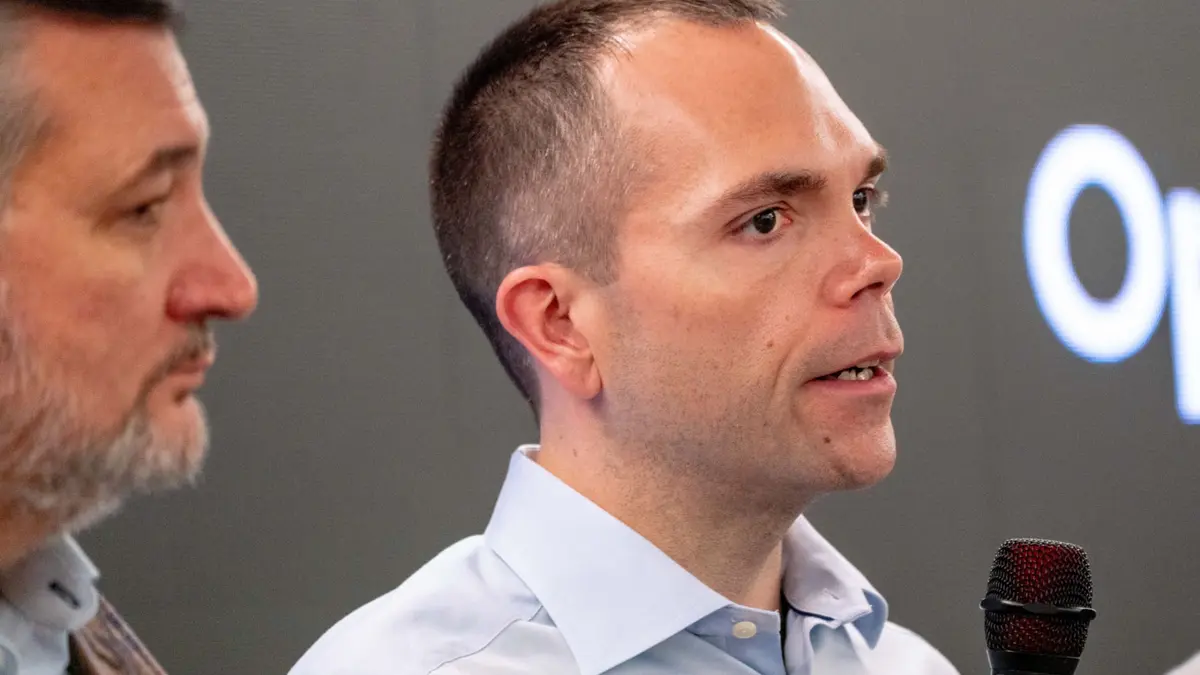
Finance chief Hilary Maxson said the company would stay focused on disciplined capital allocation, a strong balance sheet and its investment-grade credit rating.
Those targets keep the story anchored in physical infrastructure rather than only share-price volatility.
Data Centres require long construction cycles, power access, hardware procurement and customer demand that can support heavy upfront spending.
The report said Oracle did not respond to a request for comment.
The public record still lacks final financing terms, customer-level revenue commitments, free-cash-flow recovery timing or whether new debt and equity funding can keep pace with AI infrastructure commitments.