NestAI Joins Finland-Estonia Defence AI Framework Without Budget Commitment
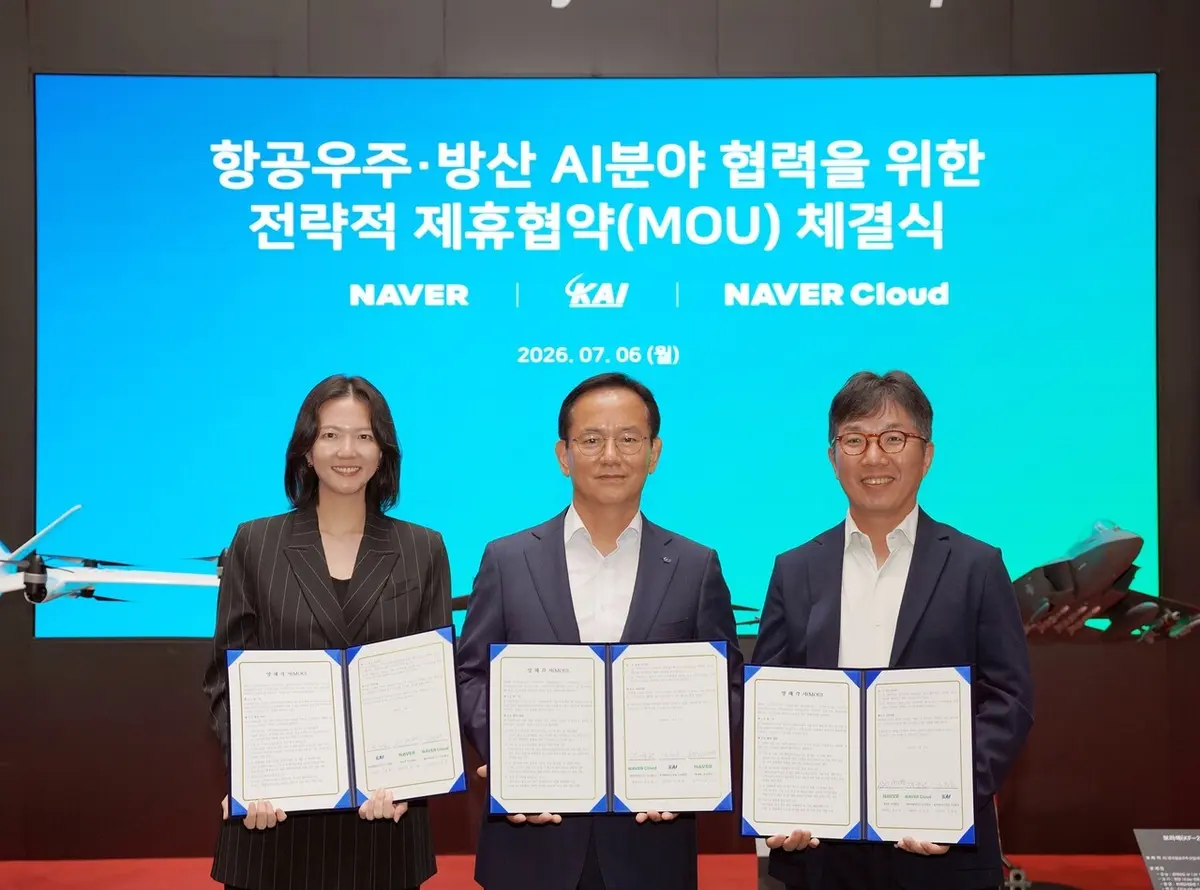
TNW reported that Finland’s Ministry of Defence, the Estonian Defence Forces and Helsinki-based NestAI signed an artificial intelligence cooperation letter with no financial commitment. The framework covers joint development, training and technical cooperation, but it does not name procurement contracts, budgets or deployment dates.

Finland and Estonia have placed Helsinki-based NestAI into a defence artificial intelligence cooperation framework, TNW reported.
The letter of intent ties two military organisations to a lab founded in 2025, but it is not a signed procurement contract.
The document links the Finnish Defence Forces' AI Centre of Excellence with Estonia's Force Transformation Command and identifies NestAI as the industrial partner.
The arrangement covers knowledge sharing, joint development, training and technical cooperation.
Finland And Estonia Name NestAI As Industrial Partner
Officials from Finland's Ministry of Defence, the Estonian Defence Forces and NestAI signed the letter of intent on the last day of June.
The Finnish Defence Forces' own announcement stated that the document contains no financial commitments.
The contrast is the core of the story: a young AI lab with close to 200 engineers and scientists is being placed into a cross-border defence framework before any disclosed budget, procurement award or deployment schedule.
NestAI raised EUR100 million in November from Nokia and Tesi, the Finnish state investment company.
For the two defence organisations, the framework creates a channel for testing AI cooperation without immediately locking into acquisition terms.
For NestAI, it gives the company a formal role in military AI discussions that can later move toward pilots, systems integration or procurement.
NestOS Targets Unmanned Vehicles And Command Systems
NestAI's product is called NestOS.
The software layer is designed to sit across unmanned vehicles and command-and-control systems, using an open modular design and learning after deployment.
Peter Sarlin, NestAI's executive chairman, argued that European defence forces need artificial intelligence systems that work across national boundaries and continue learning after deployment.
He added that capability evolution should remain in the hands of the nations operating the systems.
Initial work strands cover adaptive and learning AI, command-and-control decision support, and autonomous and unmanned systems.
The participants are due to identify focus areas, run pilots and assess results before any wider expansion.
Nokia Defence Work Adds A Denied-Environments Test
Major General Sami Nurmi, Defence Command Finland's strategy deputy chief of staff, tied the letter to the Finnish Defence Forces' data and AI strategy.
Major General Viktor Kalnitski of Estonia said operational insight and technical expertise should support responsible adoption in command and control, unmanned systems and adaptive decision support.
On 9 July, Nokia Defense and NestAI unveiled a joint capability for denied environments.
The phrase refers to conditions where satellite navigation is jammed, bandwidth collapses and autonomous systems must continue operating.
That Nokia work gives the defence framework a practical test case: AI software has to keep working when communications and navigation are degraded, not only in clean demonstration environments.
The letter of intent does not name procurement contracts, committed budgets, fielded defence systems or deployment dates for NestAI's software.