MSI BIOS Adds 8,200 MT/s Validation For CXMT DDR5 On AMD Boards
Tom's Hardware reported that MSI beta BIOS updates validate CXMT DDR5 at up to 8,200 MT/s on dual-DIMM AMD AM5 boards and 7,200 MT/s on quad-DIMM models. Final BIOS release dates, full board coverage and independent stability results remain outside the public record.
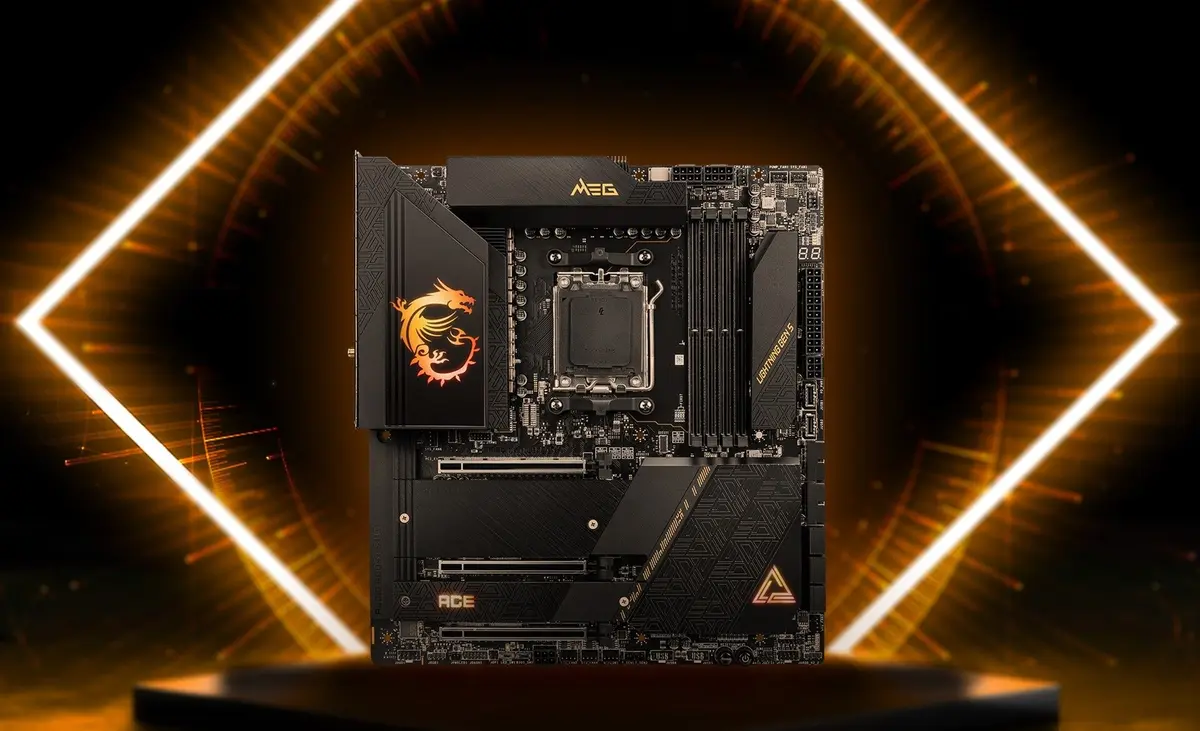
Tom's Hardware reported that MSI has released beta BIOS updates validating CXMT DDR5 memory at up to 8,200 MT/s on some AMD AM5 motherboards.
The validation covers dual-DIMM and quad-DIMM configurations.
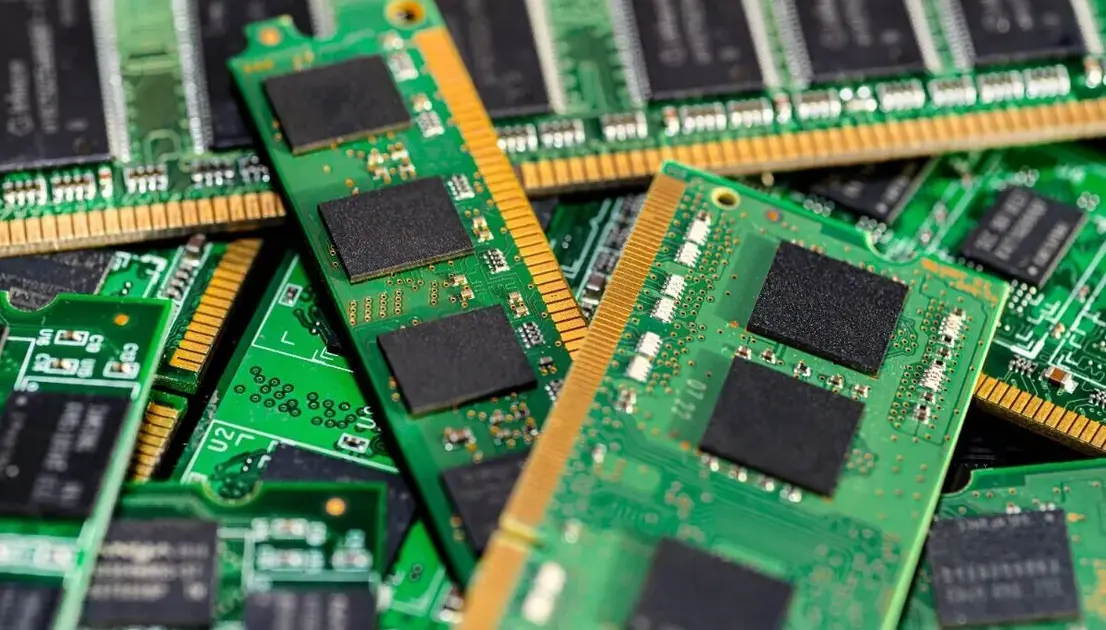
The highest listed speed reaches 8,200 MT/s for 3GB CXMT chips on two-slot boards and up to 7,200 MT/s on four-DIMM models, after earlier use of the same modules had been limited to around 6,800 MT/s.
MSI BIOS Adds 8,200 MT/s CXMT DDR5 Validation
New beta BIOSes were released across its AM5 lineup for high-speed CXMT DDR5 modules.
The validation applies to 3GB CXMT chips, and The highest listed speed reaches 8,200 MT/s on dual-DIMM motherboards.
The update also covers quad-DIMM systems, where the listing shows validation up to 7,200 MT/s.
Four memory slots usually make signal integrity harder than two-slot boards, especially when DDR5 frequencies climb.
The validation does not make the modules a universal fit for every AM5 board.
Memory compatibility still depends on the motherboard model, BIOS version, processor memory controller and module layout.
Earlier CXMT Use Was Limited Around 6,800 MT/s
RAM using these modules had previously been limited to around 6,800 MT/s, even though the hardware was capable of higher speeds, according to Tom's Hardware.
The beta BIOS therefore changes the board-level support boundary rather than announcing a new memory product generation.
CXMT is ChangXin Memory Technologies, a Chinese memory maker.
The report said the Chinese memory maker has been pushing DDR5 capability while Chinese suppliers face tighter access to advanced semiconductor equipment and a stronger domestic push for local component supply.
The listing identifies the board and BIOS combinations the company has tested.
Independent workload stability tests across memory training, voltage settings, cooling, motherboard trace design or CPU samples remain outside the report. independent workload stability tests across memory training, voltage settings, cooling, motherboard trace design or CPU samples.
Wider Board Support Still Needs Final BIOS Releases
The beta BIOS route means the support is not yet the same as a settled production firmware baseline.
Final BIOS release dates and whether the same CXMT speeds will reach all MSI AM5 boards.
Retail module part numbers, pricing and regional availability for the validated kits are still outside the public record.
Without those details, the validation is strongest as a motherboard compatibility update, not as proof of broad retail adoption.
The remaining evidence is still specific: MSI has listed faster speeds for CXMT DDR5 on AMD boards, with final BIOS release dates, full motherboard coverage, module part numbers, independent stability results and retail availability still open.