Meta Launches Muse AI Agent With Privacy Controls And Paid Usage Tiers
Meta has introduced Muse, a personal AI agent for connected tasks across email, shopping, payments and WhatsApp, while using a secure virtual machine, user controls and paid plans to test adoption.

Meta has introduced Muse, a personal AI agent that can connect to everyday services and act across them, Indianexpress.com reported, making the product as much a test of user trust as of agent software.
The agent was unveiled on Tuesday, September 9, and is initially available only to users in the United States.
Muse runs on Meta's Muse Spark large language model and is designed for tasks that move beyond chat into email, calendars, payment apps, health and fitness services, smart-home tools, e-commerce, dining platforms and other connected accounts.
Those links define the workflow Meta is trying to sell.
With permissioned connections in place, Muse can send emails, book travel tickets, fill out forms, create plans, convert recipes into grocery lists, send party invitations and make purchases at checkout.
Meta plans to add more connectors over time, which would widen the agent's reach if users are willing to attach more services to it.
The product arrives in a crowded agentic AI market, so its competitive case does not rest only on model capability.
Meta's distribution through WhatsApp, Instagram and other consumer surfaces gives Muse a possible path into regular digital routines.
That same reach also raises the central constraint: a personal agent needs access to private messages, calendars, payment flows and shopping accounts, and Meta's record on privacy and data use may make some users cautious about giving the company a broader operating role.
Muse Spark supplies the model layer behind the agent.
The source describes it as the first AI model released in April by Meta Superintelligence Labs, the expensive team assembled to help Meta catch rivals in the AI race.
Independent evaluations placed the model closer to leading systems from Google, OpenAI and Anthropic in language and visual understanding, while still trailing in areas such as coding and abstract reasoning.
Meta is pairing that model with a separate execution environment called Muse Secure VM.
The company says Muse operates inside a dedicated, secure computer with its own browser, while a separate Sentinel agent runs on the same virtual machine but remains isolated at the system level.
The design is meant to keep Muse away from passwords and payment methods even when it is completing tasks that touch sensitive accounts.
The privacy package also includes user controls and an advertising boundary.
Meta will not route Muse chats or the personal information placed in the agent into ad targeting.
Users can decide which apps and services connect to the agent, choose a name and avatar, and adjust the agent's appearance and communication settings.
When a platform lacks a public API, Muse can create a connection with credentials supplied by the user; when an API is unavailable, it can still reach the service by navigating through a browser.
The agent also keeps working after the user leaves the app, which pushes it closer to delegated software than a conventional chatbot.
Muse can learn from user chats over time and offer suggestions without being prompted.
That feature makes the control layer more important because the same memory that may improve convenience can deepen the amount of personal context attached to Meta's system.
Availability gives the launch a consumer route rather than a developer-only one.
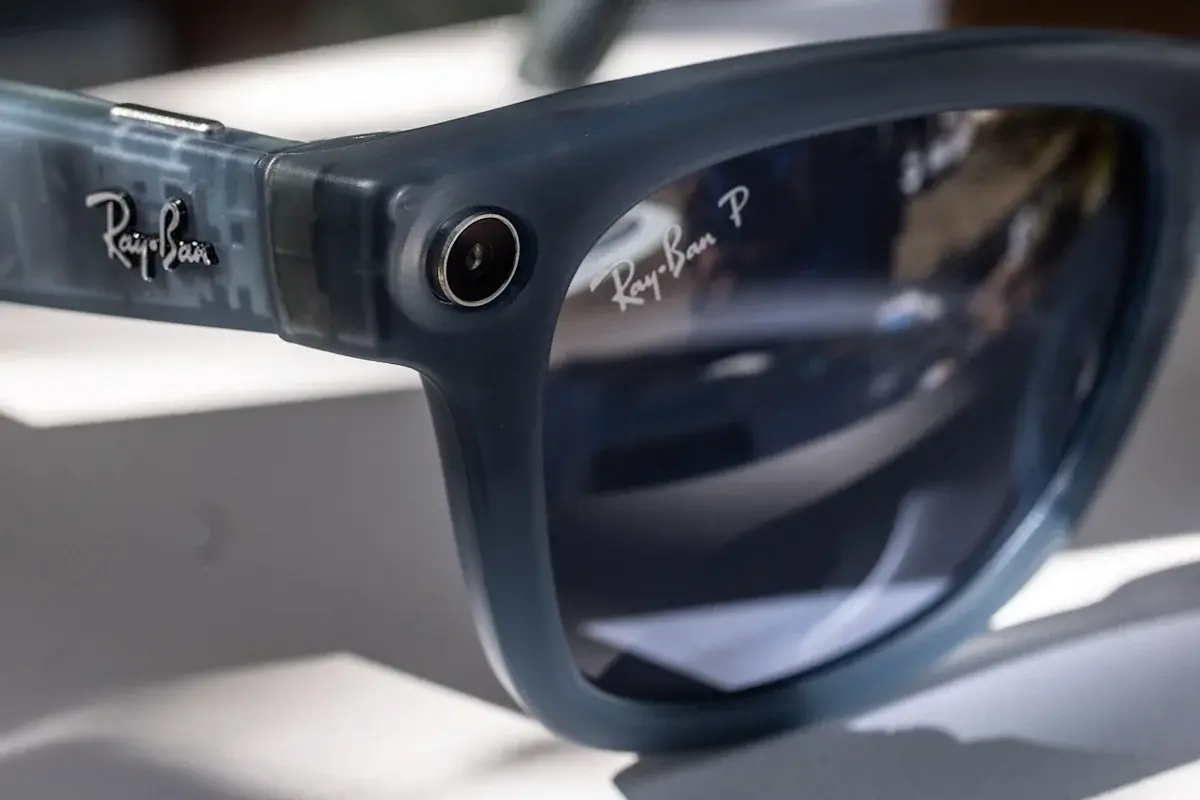
WhatsApp is the first rollout surface, Meta AI glasses support is in development, and separate mobile apps for iPhone and Android users sit alongside browser access at the Muse website.
Pricing creates a second test for adoption.
Muse begins with a free tier before heavier use moves to subscriptions: the Power plan costs $20 a month, while Maximum costs $100 a month.
A usage meter inside the app shows the remaining free allowance, leaving Meta to prove that users will pay for an agent whose usefulness depends on how much of their digital life they allow it to handle.