Korea’s Weak Won Is Exposing a Policy Credibility Problem
South Korea’s won is trading near crisis-era lows even as AI-driven semiconductor demand has produced a record external surplus and a historic rally in chip stocks. The pressure reflects a capital-flow puzzle: exporters are earning dollars, foreign investors are selling Korean equities, and chipmakers may be keeping more revenue offshore. The political risk is that Seoul treats the currency slide as a temporary market anomaly rather than a warning about policy credibility, asset inflation and dependence on a semiconductor cycle.
Korea’s Currency Puzzle Is Bigger Than Semiconductors
South Korea should, on paper, have the conditions for a stronger currency.
AI demand has lifted the country’s semiconductor exports, chipmakers are reporting record profits, and the equity market has surged.
Yet the won remains weak.
It has fallen 4 percent against the dollar this year and is trading around levels associated with the 2008-09 financial crisis.
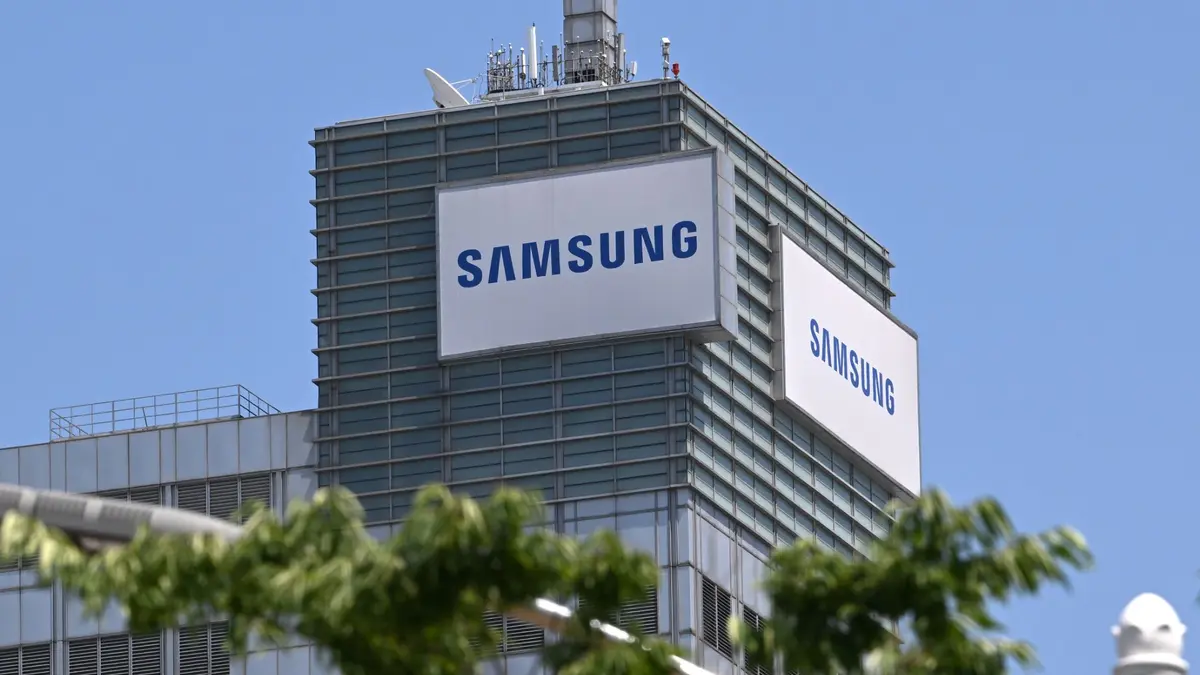
The Financial Times article notes that the currency has been one of Asia’s worst performers, despite a first-quarter current account surplus of USD 73.8 billion and large profits at Samsung Electronics and SK Hynix.
That contradiction is the core issue.
Korea is earning dollars through semiconductors, but the currency is not behaving like the market believes those earnings will fully support the domestic economy.
The Bank of Korea has described the won as “excessively weak relative to economic fundamentals” and said authorities could take “decisive action” if necessary.
That statement acknowledges the problem, but it does not yet amount to a convincing policy framework.
Dollar Earnings Are Not the Same as Won Support
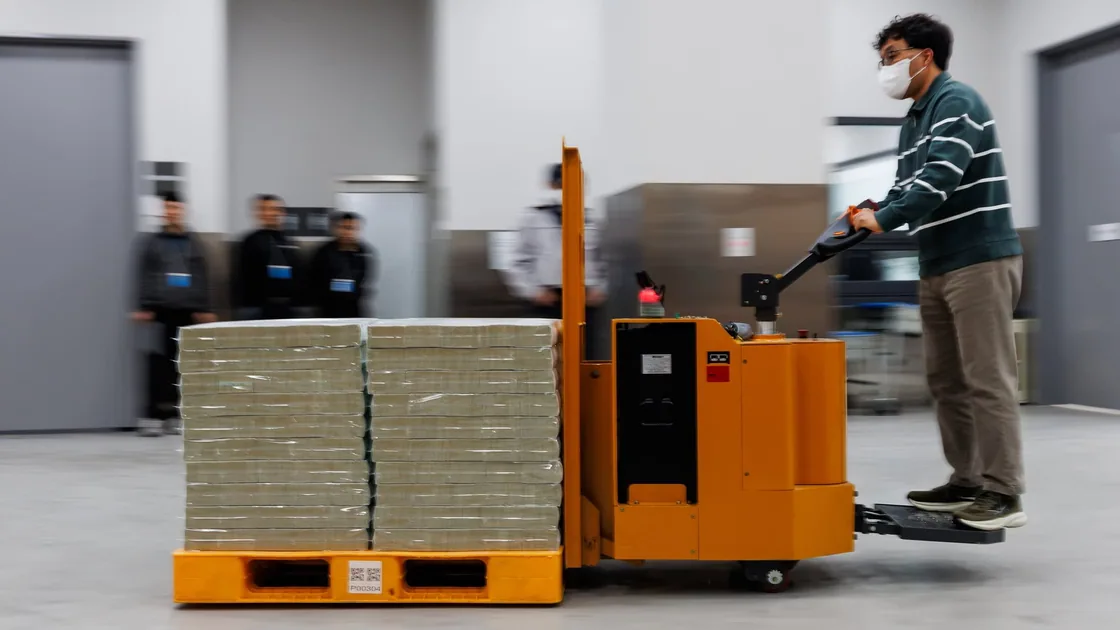
The semiconductor boom does not automatically strengthen the won if exporters do not convert their overseas earnings back into local currency.
Analysts in the article pointed to that possibility.
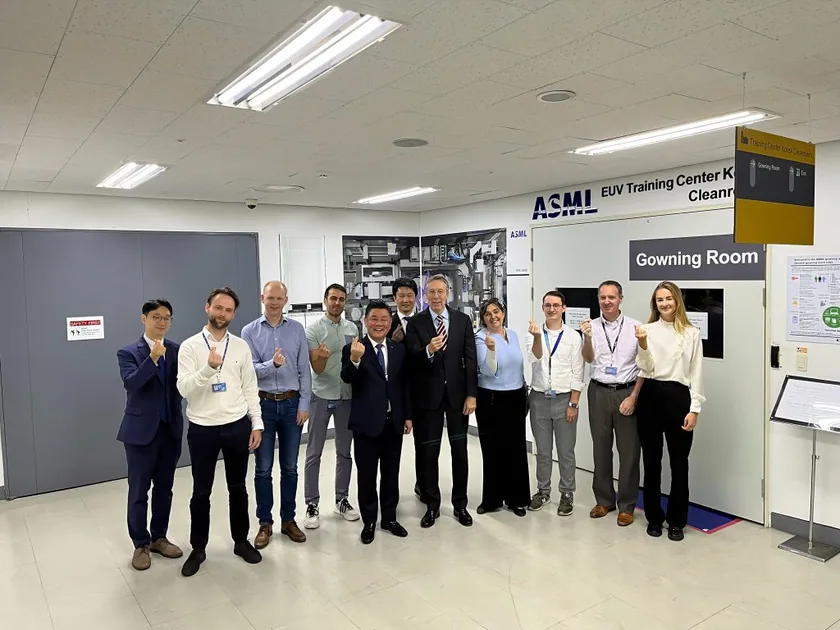
Large Korean companies such as Samsung and SK Hynix are holding a significant portion of revenue in foreign currencies to fund global operations, according to Patrick Han of SK Securities.
Brad Setser of the Council on Foreign Relations called the phenomenon “DRam dollars,” comparing Korea’s chip-generated current account surplus to the way oil-exporting economies recycle dollar earnings into US assets.
That means Korea can run a large external surplus and still see currency weakness if those dollars do not return to the domestic financial system.
The won’s weakness is therefore not just a trade story.
It is a capital-flow story.
Foreign equity flows add another pressure point.
Foreign investors have sold a record USD 79 billion of South Korean equities this year, based on Financial Supervisory Service data .
RBC Capital Markets’ Abbas Keshvani said Korea’s equity market had “absolutely ripped,” with the Kospi doubling from October.
Portfolio managers may be selling to avoid becoming too concentrated in Korean equities or specific chip stocks.
This creates a strange market structure: Korea’s chip winners are rising sharply, but the capital-flow response may still weaken the currency.
A Political Double Standard
The currency move also creates a political credibility problem.
Critics of Lee Jae-myung argue that his side used exchange-rate anxiety around the 1,300-won level as an attack on the previous government.
With the exchange rate now far weaker, they argue that the same urgency is less visible.
That criticism matters because exchange-rate politics should not change depending on who holds power.
If 1,300 was framed as a national crisis before, then levels near 1,500 cannot be dismissed as a routine market move now.
If the earlier alarm was exaggerated, then Korea’s political class should admit that exchange-rate fear has been used selectively.
The won is not just a partisan talking point.
It affects import costs, inflation expectations, household purchasing power, capital flows and foreign investor confidence.
A government that once treated currency weakness as proof of national mismanagement should be held to the same standard when the currency weakens under its own watch.
Asset Prices Can Hide the Stress
The boom in semiconductor shares may also be masking the severity of the problem.
The FT article notes that Samsung shares have risen more than 400 percent over the past year and SK Hynix shares have climbed 970 percent, pushing both companies to USD 1 trillion market capitalisation.
Those are extraordinary market moves.
They show the scale of investor enthusiasm around AI-linked chip demand.
But rising asset prices do not automatically mean the broader economy is stronger.
In a weak-currency environment, money can move into equities and property as investors search for protection against declining purchasing power.
That can make markets look healthy even while the currency sends a warning signal.
This is where the policy concern becomes sharper.
Korea cannot assume that semiconductor profits are permanent.
The AI chip cycle may remain strong, but memory demand, pricing, export flows and global capital spending can change.
If the government and central bank rely too heavily on semiconductor earnings, they risk ignoring the need for a broader currency and financial-stability strategy.
The absence of a clear response is therefore dangerous.
If policymakers do not explain how they intend to manage currency weakness, imported inflation, asset-price pressure and capital outflows, the market will supply its own interpretation.
That interpretation may be that Korea is benefiting from a temporary semiconductor windfall while failing to address deeper financial vulnerabilities.
The Real Warning From the Won
The won’s weakness is not only a foreign-exchange issue.
It is a warning about confidence.
Korea still has world-class exporters, deep capital markets and major companies positioned at the centre of the AI supply chain.
But those strengths do not remove the need for credible policy.
A country can have a chip export boom and still face currency pressure if investors believe the gains are being recycled offshore, if foreign funds are reducing equity exposure, or if domestic policy looks passive.
The political culture makes the problem harder to discuss.
Korea’s public debate is often shaped by partisan loyalty, and economic warnings are too easily accepted or dismissed depending on which side they hurt.
That is a dangerous habit for a country facing a weakening currency, expensive imports, asset inflation and dependence on a semiconductor cycle.
Some analysts expect appreciation if repatriation begins or if market positioning changes.
RBC’s Keshvani said a rush of repatriation could trigger a sharp upward move if the won starts strengthening.
Sam Konrad of Jupiter Asset Management said he expected both the won and Taiwan dollar to appreciate, though he did not know the catalyst or timing.
The larger question is whether Korea’s political and monetary authorities understand the warning already visible in the currency.
A weak won during a semiconductor export boom is not a normal success story.
It is a signal that dollar earnings, domestic confidence and policy credibility are no longer moving together.
If Seoul keeps treating the issue as temporary while asset prices keep rising and the public looks away, the risk is not just a weaker currency.
The risk is that Korea mistakes a chip-cycle windfall for national resilience.