CFTC Orders Kalshi To Keep New York Prediction Markets Open
A federal order requires Kalshi to keep operating prediction markets in New York after the state sued to block sports-related contracts under gambling laws.

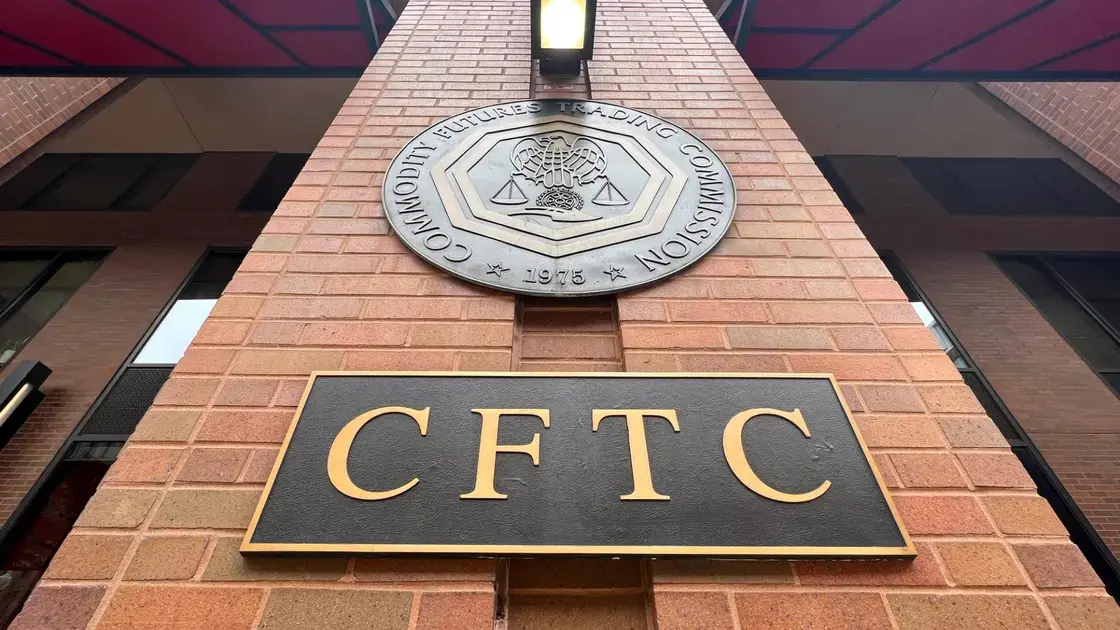
A federal order now requires Kalshi to keep its prediction markets open in New York while the state tries to block sports-related contracts under gambling law, CoinDesk reported.
The order came after Kalshi asked the federal regulator for help following a lawsuit filed at the end of July by New York State Attorney General Letitia James.
The CFTC used emergency authority to require the prediction-market operator to continue service in the state while the litigation moves forward.
The dispute is centred on whether sports-event contracts should be treated as state-regulated gambling products or federally regulated derivatives.
State regulators treat sports-related prediction markets as an intrusion into state gambling rules.
Federal regulators maintain that prediction markets fall under CFTC authority because they offer federally regulated swaps.
CFTC Chairman Mike Selig framed the case as an interstate-market issue rather than a local gaming dispute.
Congress did not intend derivatives exchanges to operate under a patchwork of state gaming laws, he said, describing the contracts as financial instruments matched across state lines and cleared through a clearinghouse.
New York's case takes the opposite position.
The state sued Kalshi on July 31 after a federal judge rejected Kalshi's attempt to stop the lawsuit before filing.
New York alleged that the company violated state gambling laws by offering sports prediction markets without a licence from the New York State Gaming Commission.
The state also tied the licensing dispute to tax and public-programme funding.
Kalshi avoided obligations faced by licensed casinos and mobile sports gambling platforms, including taxes that support public schools, youth sports, problem-gambling education and treatment, according to the state's press release.
The venue fight is also unresolved.
Kalshi has moved to transfer the New York case to federal court.
New York has asked for the case to return to state court, and both motions are awaiting a judge's ruling.
The New York dispute follows another clash in Michigan.
Federal intervention previously aimed to help Kalshi keep operating there after a judge ruled for the state.
Kalshi's head of enforcement Robert Denault later wrote that the company had already unwound trades required by the Michigan court.
The next boundary is judicial rather than operational: Kalshi can continue offering the New York markets for now, but the court venue, state-law claims and federal regulator's emergency order still have to be tested through the case.