OG.com Asks CFTC To Clear Single-Stock Perpetual Futures
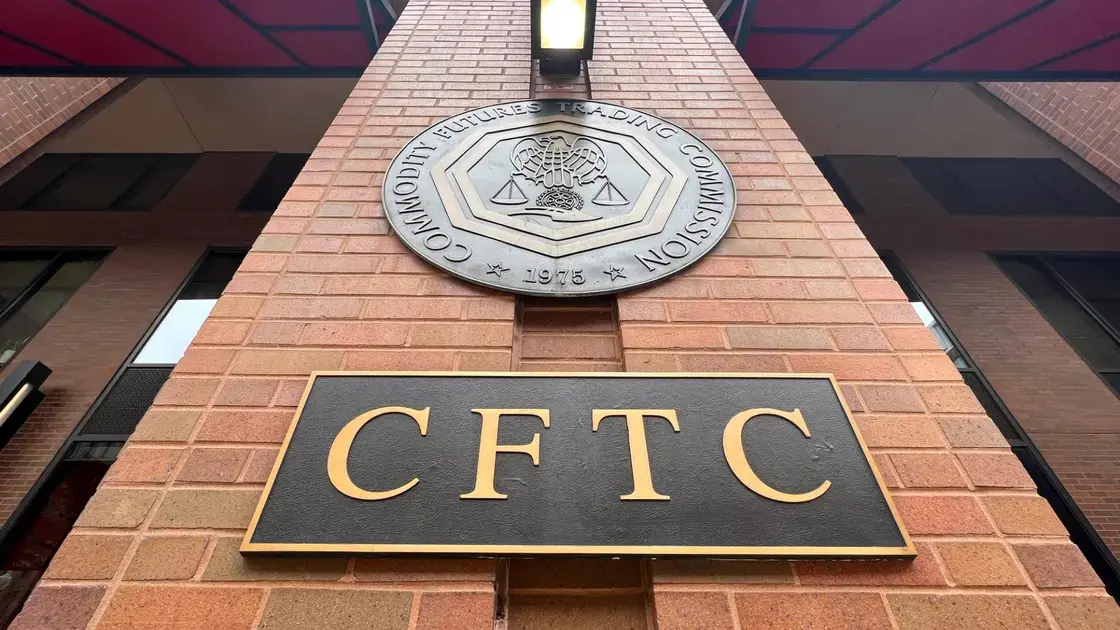
OG.com Markets filed with the CFTC to list cash-settled perpetual futures on individual US stocks, joining Coinbase, Kalshi and Kraken parent Payward in seeking approval.

OG.com Markets is asking US regulators to let it list perpetual futures on individual stocks, a move that would bring one of crypto’s best-known trading structures into the equity market, Cointelegraph reported.
The proposal was filed Thursday with the Commodity Futures Trading Commission.
OG.com wants rules that would allow cash-settled single-stock futures with no expiry date, trading 24 hours a day for five days each week.
Ordinary futures contracts expire and must be rolled over; perpetual futures are designed to keep exposure open without that calendar reset.
The filing also shows how prediction-market and crypto-linked trading firms are pushing toward traditional assets while US agencies revisit digital-asset oversight.
Crypto.com recently separated OG.com into a $5 billion standalone derivatives and prediction-markets business.
Crypto.com chief executive Kris Marszalek indicated at the time that the new platform would move from event contracts into a broader derivatives lineup.
Robinhood soon took an equity stake in OG.com through a multi-year arrangement that uses OG.com’s CFTC-regulated derivatives exchange and clearinghouse for prediction markets.
That relationship gives the new platform a consumer-brokerage partner at the same time it is seeking permission to widen its product set.
Single-stock perpetuals would not arrive in an empty field.
Coinbase, Kraken parent Payward through Bitnomial, and Kalshi filed on Sept. 18 for permission to offer perpetual futures tied to individual US stocks.
OG.com’s application puts another regulated-market operator into the same queue.
The product has its roots in crypto trading.
BitMEX pioneered perpetual futures in 2016, and the contracts became a core instrument for digital-asset traders because they combine leverage, continuous exposure and exchange-set funding mechanics.
Moving that model into US equities would test how regulators handle crypto-style market infrastructure when the reference asset is a listed company rather than a token.
The broader regulatory setting is still unsettled.
The Securities and Exchange Commission and the CFTC have continued crypto initiatives even after the CLARITY Act failed to advance in the Senate on Sept. 15.
Days after that vote, the SEC cleared limited onchain trading of tokenized stocks, opening another path for firms trying to connect digital-asset rails with equity-market exposure.
OG.com’s next step is now procedural rather than commercial: the CFTC must decide whether the proposed rules can fit within US derivatives supervision before the platform can turn the filing into a live single-stock perpetual product.