Apple Taps Alibaba Qwen For China Apple Intelligence Launch
TNW reported, citing Reuters, that Apple built a China-specific AI model with Alibaba support after Beijing approved the foreign proprietary model for Apple Intelligence.

Apple has built a China-specific AI model with Alibaba's help, giving its delayed Apple Intelligence rollout a local engine for one of its most regulated markets.
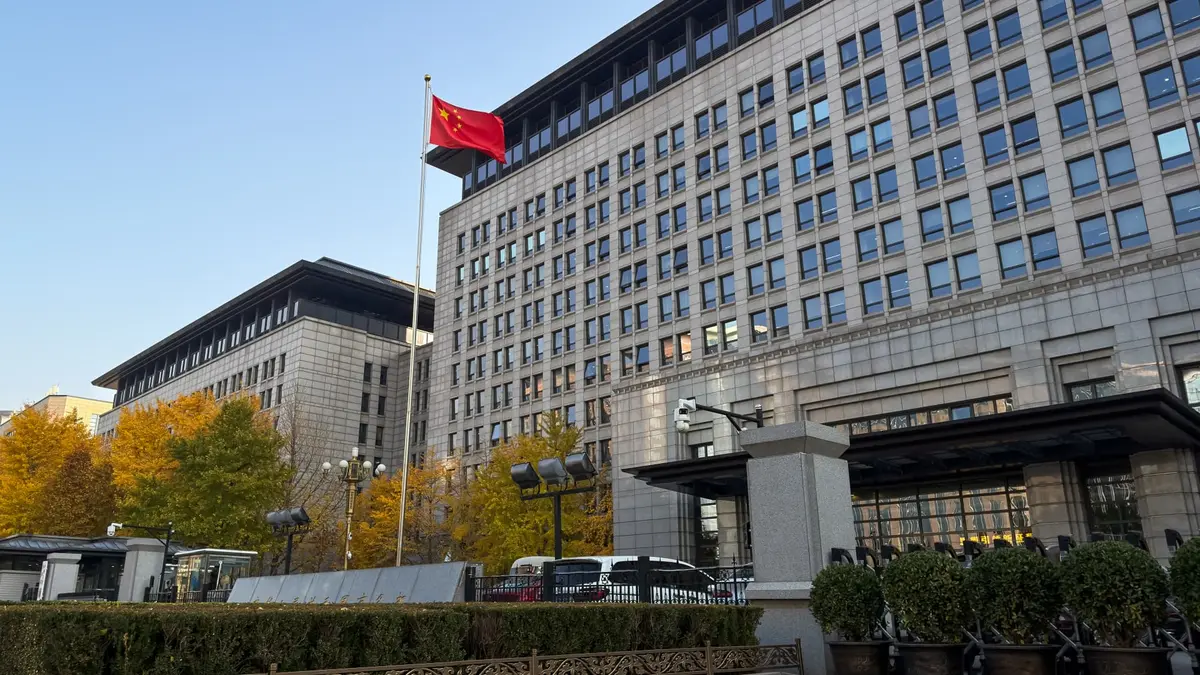
TNW, citing Reuters, reported that Beijing has approved Apple as the first foreign company allowed to offer a proprietary AI model in mainland China.
The arrangement changes the usual shape of Apple's AI stack.
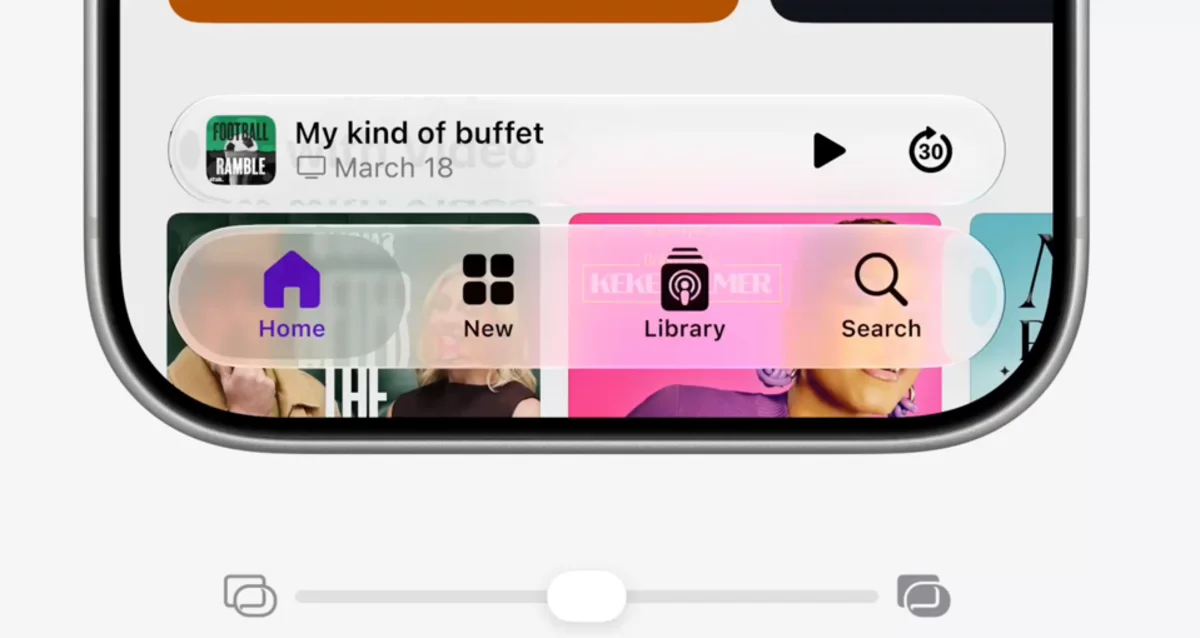
The China version of Apple Intelligence will use Apple's own model, Alibaba's Qwen technology and Baidu search support across iPhone, iPad, Mac and Vision Pro devices sold in the country, with launch expected in the coming months.
Approval Came With Local Dependencies
Alibaba chairman Joe Tsai confirmed the partnership publicly in February 2025, and China's Cyberspace Administration logged Apple's service in July 2026.
That timing leaves Apple's Chinese AI release roughly 22 months behind the wider Apple Intelligence launch and shows how much regulatory clearance now controls foreign generative AI products in the market.
The compromise also reduces Apple's room to keep every critical layer in-house.
A company known for designing its own chips, operating systems and software services is relying on Chinese partners for the assistant and search functions that users will touch most directly.
Its testing of Chinese memory chips during the component crunch points to the same China-specific pressure on supply and software choices.
The China Model Addresses A Competitive Gap
The delay gave domestic rivals time to make AI a phone-selling feature.
Huawei and other local brands have already pushed AI-equipped devices while Apple's assistant remained unavailable, turning regulatory access into a competitive problem as well as a compliance problem.
A local model gives Apple a route back into that contest, but it also ties the product to China's registration and censorship framework.
The brief appearance of a Chinese-language guide explaining how Qwen would connect to Siri and Writing Tools underlined the sensitivity around describing the launch before every approval and partner boundary is settled.
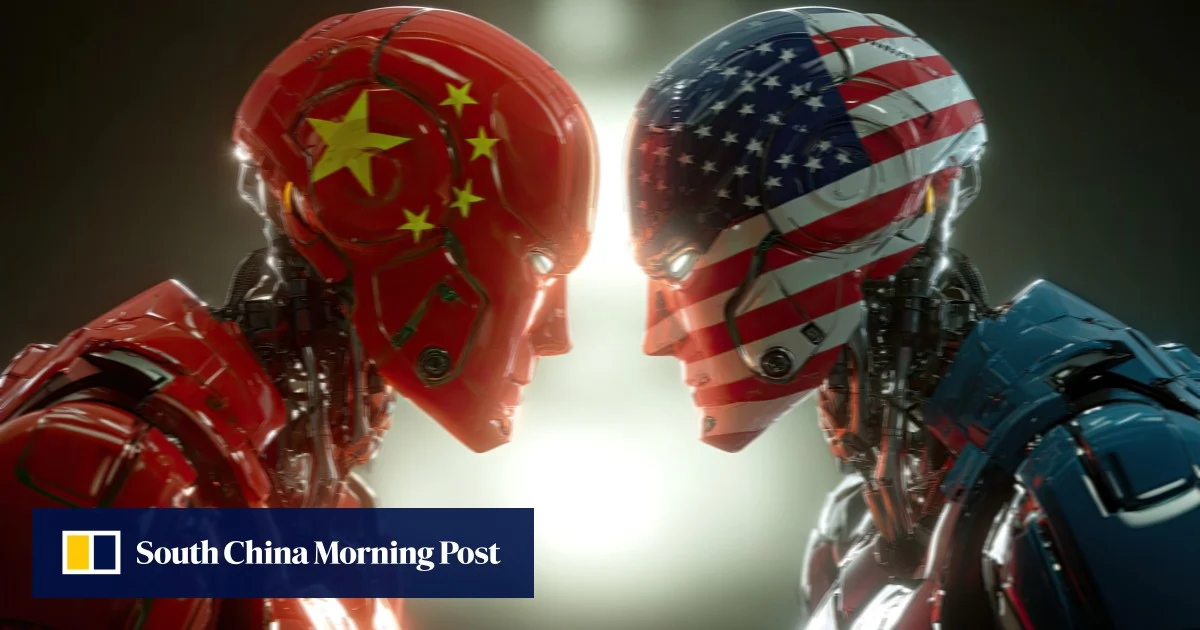
The deal lands inside a wider argument over how Western firms should handle Chinese AI models.
Mark Zuckerberg has argued that the United States should not block those models, while critics in Washington treat Chinese AI links as a security risk to contain.
Apple is already familiar with that pressure because American lawmakers warned the company away from Chinese memory chips on national-security grounds.
The China rollout is therefore not just another regional feature delay.
It gives Apple a way to bring Apple Intelligence to customers who have waited almost two years, but only through a product design that puts Alibaba, Baidu and Beijing's approval process inside the user experience.
For Western tech companies, market access now carries a local operating model as well as a local compliance file.