Alibaba Tests Revenue Sharing For Commercial Qwen AI Use
AI News reported that Alibaba plans revenue-sharing terms for some commercial users of its next Qwen open-weight AI model, following a licensing pattern already used by Moonshot for Kimi K3.

AI News reported that Alibaba is preparing a paid commercial layer for some businesses that build services on its next Qwen open-weight AI model, citing Reuters and two people familiar with the plans.
Under the planned structure, larger model-as-a-service operators would need a direct Alibaba agreement before commercialising the next Qwen system through hosted offerings.
The people cited by Reuters said Alibaba had not yet settled the percentage it would seek from those arrangements.
Alibaba Tests Paid Terms For Open-Weight Qwen Use
The change is expected with Alibaba's next open-source model.
The current Qwen3 open-weight family uses the Apache 2.0 licence, a permissive framework that allows commercial deployment, changes to the software and redistribution when users comply with the licence terms.
Open-weight models make trained parameters downloadable, a narrower release model than a fully open AI system or unrestricted commercial use.
The Open Source Initiative's Open Source AI Definition requires permission-free use, study, modification and sharing, alongside access to training-data information, relevant code and model parameters.
Alibaba sits among several Chinese AI developers using downloadable-weight releases for large models.
The contrast is distributional: downloadable weights leave deployment work with users, while hosted closed systems keep access inside provider-operated services.
Kimi K3 Licence Shows The Revenue Threshold Model
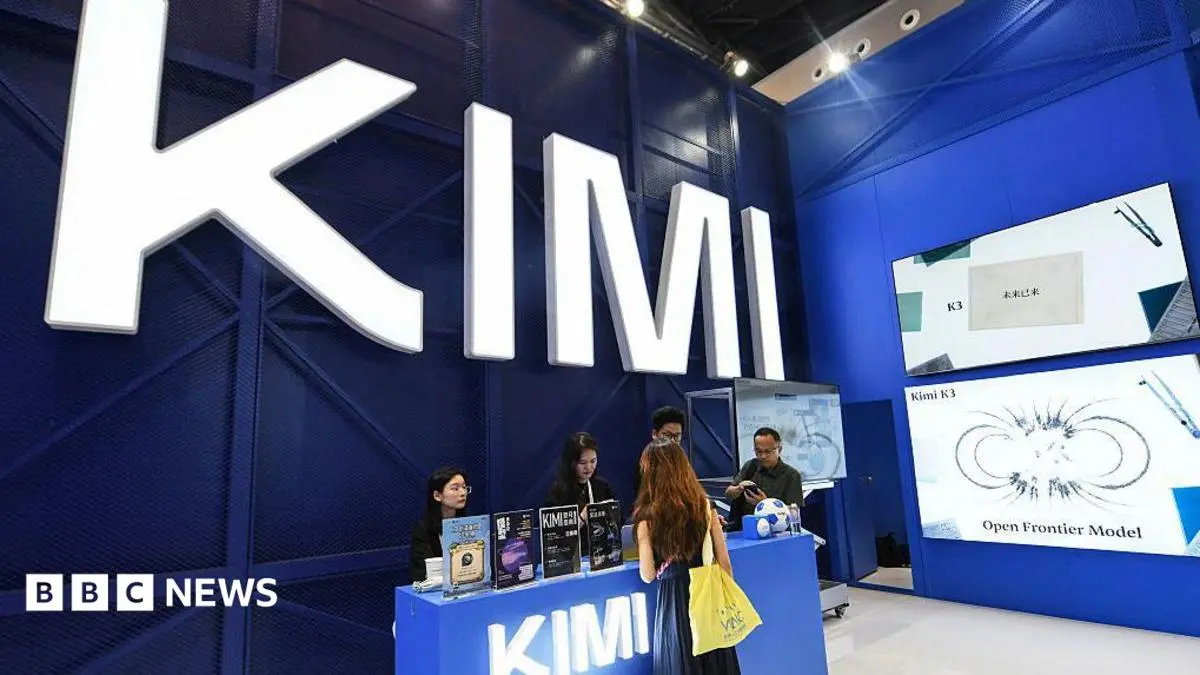
The planned Qwen terms resemble the model Moonshot adopted for Kimi K3, which arrived last month with downloadable weights and separate commercial conditions.
Kimi K3's published licence requires a separate agreement when a Model-as-a-Service operator and its affiliates cross $20 million of combined revenue in any consecutive 12-month period.
The Kimi K3 licence also sets a branding rule for large consumer-facing deployments.
Under those terms, products above 100 million monthly active users, or above $20 million in monthly revenue, must show the Kimi K3 name prominently; internal deployments and services offered through Moonshot or certified inference partners are exempt.
Two people familiar with Moonshot's commercial arrangements told Reuters that those agreements can include revenue sharing.
One person cited by Reuters put the possible partner share at up to 30% of revenue involved.
A Chinasoft International filing identified Moonshot as a revenue-sharing counterparty but left the rate undisclosed.
DigitalOcean Holdings is also commercially tied to Moonshot, with Chief Executive Paddy Srinivasan confirming the agreement while withholding the terms.
Srinivasan framed the structure as a freemium version of open-source distribution: initial access can be cheap or free, while heavier commercial usage, technical help or earlier future-model access can trigger payment.
Large Open Models Still Carry Infrastructure Costs
Companies can download open-weight models without paying API access fees, but deployment at scale still requires substantial computing infrastructure.
Moonshot lists Kimi K3 with 2.8 trillion total parameters, 104 billion activated parameters, 896 experts in its mixture-of-experts design and 16 experts selected for each token.
The remaining disclosure gaps are concrete: Alibaba has not given the final Qwen revenue-sharing percentage, the next model's release date, the companies covered by the terms, or whether future releases will include the training-data information, relevant code and model parameters OSI treats as part of open-source AI.