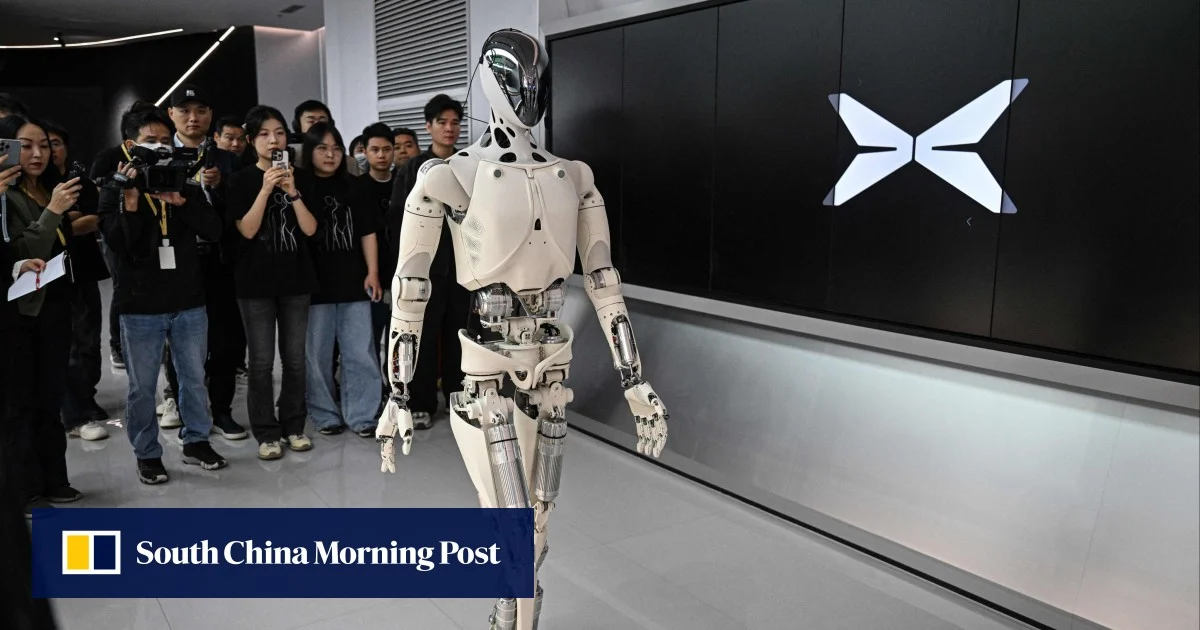
Tesla Optimus Suppliers Told To Reach 2,500 Units A Week By Year-End
A LatePost account carried by Sina Finance says unnamed supply-chain sources were asked to prepare Optimus parts capacity for 1,000 units a week in September and 2,000 to 2,500 by year-end. August orders for several hundred units provide a nearer-term production signal, but the targets are not a public Tesla manufacturing forecast.
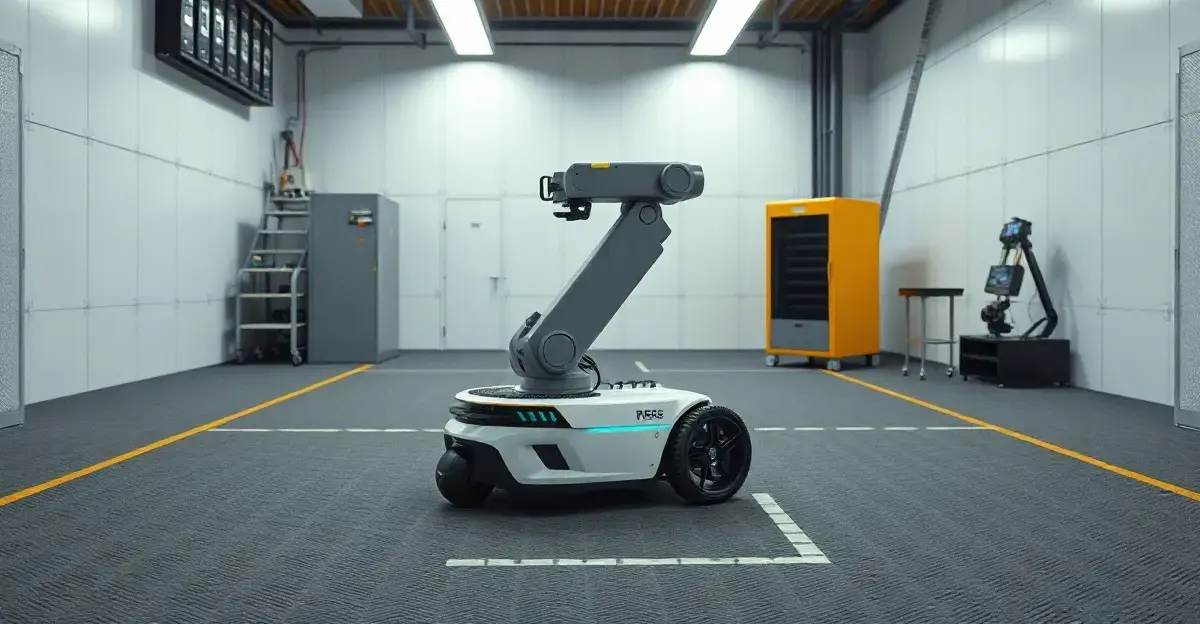
A LatePost account carried by Sina Finance says Tesla asked parts suppliers for its third-generation Optimus robot to prepare for 1,000 units a week in September and 2,000 to 2,500 by year-end.
The account relies on unnamed supply-chain sources, and the figures have not been confirmed in a company filing, announcement or public purchase order.
The ramp would follow several delays to the programme.
Suppliers had previously relied on internal emails to reassure investors that the humanoid project remained active, leaving them without the firm capacity guidance described in the latest account.
August Orders Precede The September Ramp
The procurement schedule gives suppliers a nearer checkpoint before the larger year-end target.
Orders are normally placed about two months in advance, two people close to the supply chain told LatePost, and several hundred units had already been ordered for August.
Those orders do not establish the full September run rate, but they give component makers a current volume against which to plan labour, tooling and materials.
Moving from the August batch to the specified September rate would require suppliers to increase output within weeks.
Year-End Guidance Points To A Larger Component Base
LatePost reported a year-end weekly target of between 2,000 and 2,500 units.
Using that ordering pattern, it estimated that suppliers could finish the year with enough component capacity for 100,000 Optimus units annually.
That estimate describes supplier capacity, not completed robots or customer deliveries.
Final assembly output would still depend on component availability, production yields and the configuration selected for the third-generation machine, none of which were detailed in the account.
Gen 3 Approval Precedes The Production Push
The procurement guidance followed a late-June executive meeting at which Elon Musk reviewed and approved the latest version of Optimus.
The account presents that decision as the point at which more than three years of research and development began moving toward mass production.
Two supply-chain sources also described an internal deadline: the procurement team could be dismissed if it failed to secure the year-end capacity.
That claim remains second-hand, but it indicates the pressure suppliers say they are receiving as the programme moves from prototypes toward repeat orders.
No signed purchase orders or named component commitments accompanied the Sina Finance and LatePost account.
Without those records, the figures remain supply-chain capacity instructions rather than a confirmed production schedule beyond September and year-end.