SK hynix Expert Frames AI Chip Race Around Power, Water And Megafabs
An SK hynix Newsroom expert column says AI semiconductor competition is moving beyond faster chips toward megafab capital, grid delivery, industrial water and memory supply stability.

AI Memory Demand Expands From Chip Speed To Supply Chain Constraints
An SK hynix Newsroom expert column says the AI semiconductor race is becoming an infrastructure execution problem rather than a contest based only on faster processors.
Because the analysis comes from SK hynix's own newsroom, its market-structure claims are treated here as company-sourced framing rather than independent reporting.
The column says large AI models and vertical AI applications are increasing the importance of memory supply, AI data centres and the industrial systems needed to manufacture advanced chips.
The argument starts with capital concentration.
The column says the Magnificent Seven technology companies invested more than $600 billion in AI over 2024 and 2025, with investment expected to continue through 2026.
It links that spending to AI data centres built around GPUs, HBM and other high-performance hardware.
The column also points to supply concentration.
It says Nvidia controls more than 90 percent of the AI GPU market, with most products manufactured using TSMC leading-edge sub-4nm processes in Taiwan.
On the memory side, the column says only a small group of suppliers can provide HBM for those GPUs, with SK hynix among them.
The result is a supply chain in which national industrial policy, fab capacity and memory availability shape how quickly AI systems can scale.
Megafabs Need Grid And Water Work First
The column says memory companies now have to support the scalability of AI infrastructure, not only ship individual products.
AI data centres need HBM for high-performance computing, DRAM for server operations and NAND-based storage for large data sets and service deployment.
Meeting that demand requires semiconductor clusters, or megafabs, with capital spending and surrounding infrastructure that individual companies cannot easily provide alone.
The column says successful clusters need subsidies, timely infrastructure investment, financial and technology partnerships with cloud service providers, and diversification strategies for global supply-chain changes.
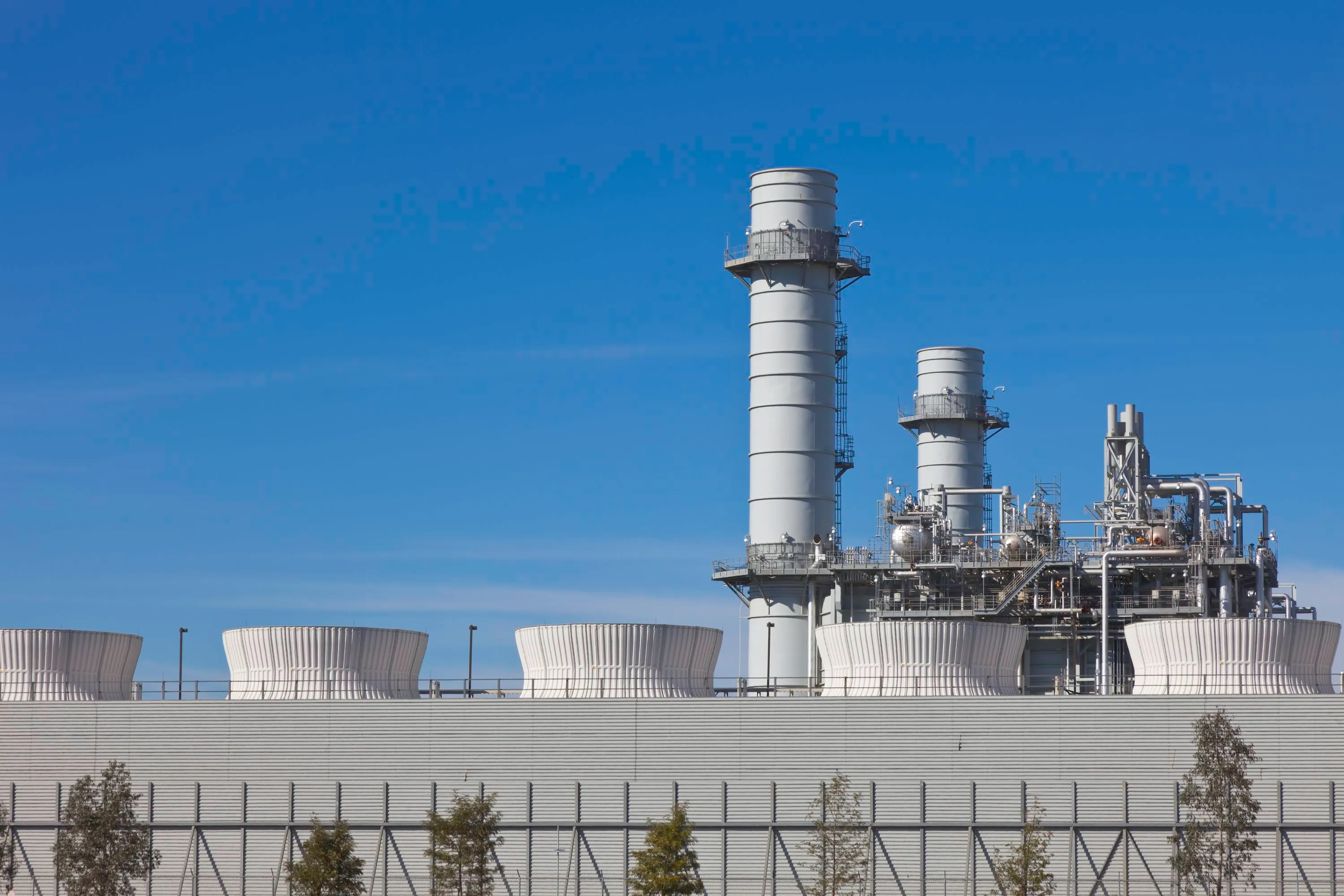
Power and water are the hard constraints in that buildout.
The column says megafabs typically take two to three years to construct, while power transmission networks and generation facilities can take five to more than 10 years.
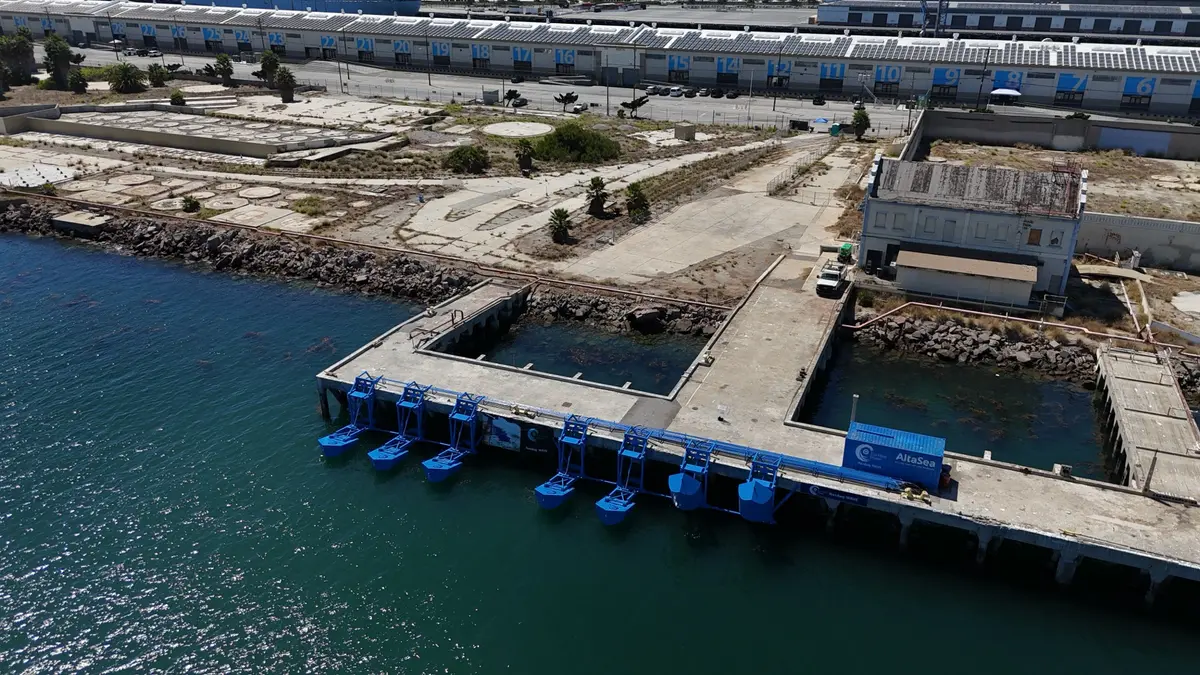
It also says semiconductor manufacturing requires industrial water and ultrapure water for wafer cleaning and equipment operations, while AI data centres can require billions of liters of water annually for cooling systems and power-generation processes.
Energy Access Becomes A Semiconductor Constraint
The column describes energy bottlenecks as a delivery problem: not simply whether electricity exists, but whether power can reach fabs and AI data centres when and where it is needed.
It cites Microsoft Chairman and CEO Satya Nadella saying Microsoft could not fully use available GPUs because of power supply constraints.
The examples extend across large technology buyers.
Microsoft signed a 20-year power purchase agreement with Constellation Energy.
Amazon partnered with Dominion Energy, and Google signed an agreement with Kairos Power to support small modular reactor development. xAI built a solar power facility next to its Colossus data centre, while the column says renewable power still represents a relatively small share of total data centre electricity use.
A fab cannot treat electricity and water as background services when process precision and product quality depend on uninterrupted supply.
The column does not provide a Samsung HBM supply comparison, Micron ramp evidence or a confirmed timeline for resolving the power bottleneck.
It closes on a constraint broader than SK hynix’s product roadmap: AI deployment depends on capital, power, water resources and manufacturing infrastructure arriving before memory demand outpaces the systems built to support it.