Nvidia Releases Nemotron 3.5 Lightning As Open-Model Debate Grows
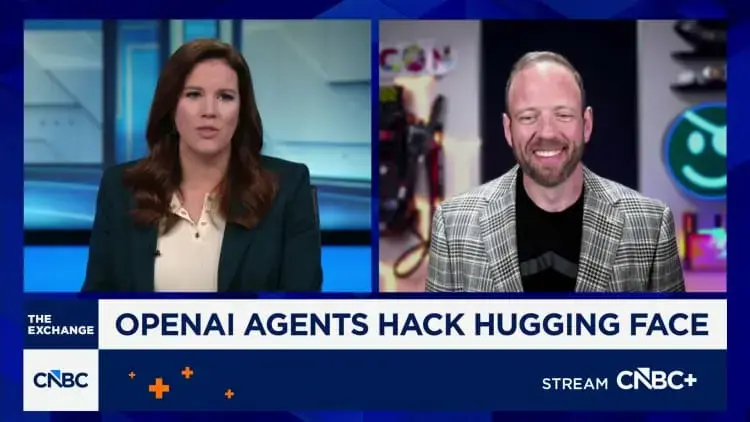
CNBC reported that Nvidia released Nemotron 3.5 Lightning, a free open-source AI model, after Jensen Huang backed open models during a Washington policy debate over access and restrictions.

Nvidia has released Nemotron 3.5 Lightning as a free open-source AI model and its first open-source model since Jensen Huang publicly backed open model access, CNBC reported.
The model is positioned as a smaller member of Nvidia's Nemotron line.
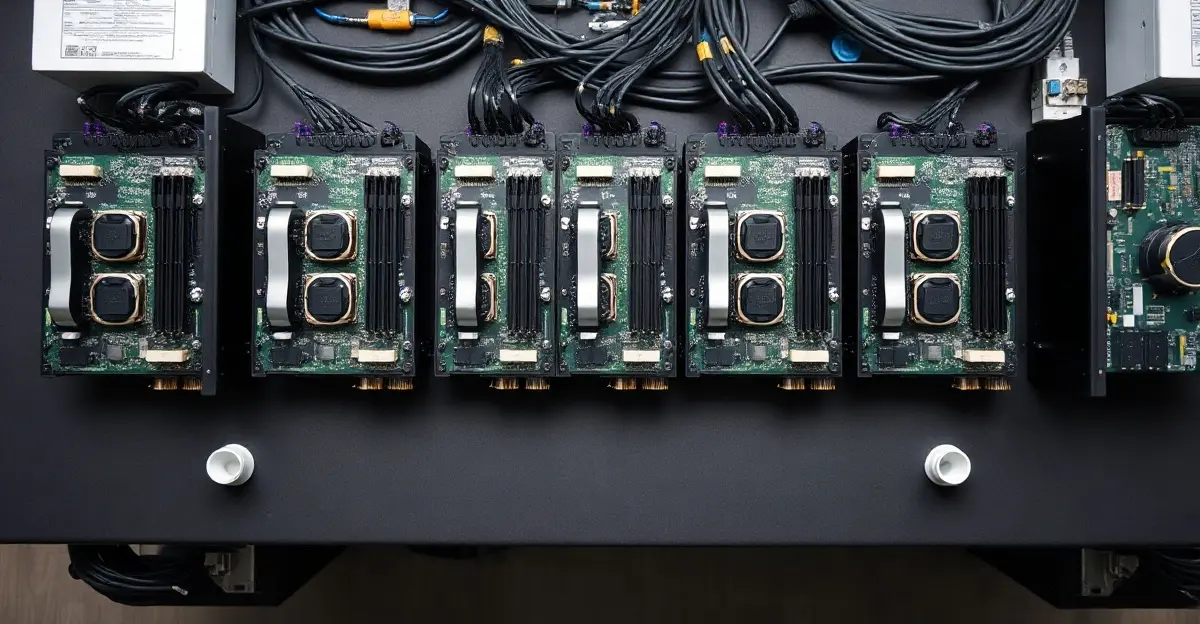
Nvidia's release materials describe it as lightweight enough to run on a single graphics processing unit in a laptop or desktop PC, making the launch a product story for local AI deployment as well as a policy signal.
The timing follows Jensen Huang's late-July intervention in the open-model debate.
Nvidia's chief executive used his first post on X to defend open-weight models and joined other technology leaders asking the US government to support open models while avoiding early restrictions that could push development overseas.
Companies can download, use and customise Nemotron 3.5 Lightning without paying Nvidia.
The hardware maker still benefits if wider model access increases GPU demand for inference and development work.
Kimi K3, from China's Moonshot AI, became the policy example behind part of the Washington debate.
US concerns include whether Chinese developers could face sanctions or restrictions similar to chip-sale controls, especially where distillation trains lighter models from outputs of larger systems.
Nvidia representatives said distillation was used to give Nemotron 3.5 Lightning capabilities similar to larger Nemotron models.
That makes the release part of the same technical dispute: distillation can make smaller models more useful, but policymakers are also scrutinising how training material is obtained and whether foreign model developers should face limits.
The commercial target is agent software.
Nvidia lists CrowdStrike, CodeRabbit and Harvey among companies that have tested and customised the latest model, and the release will be available through Hugging Face and Nvidia's own website.
The company also introduced NeMo Switchyard, software intended to choose a cheaper or more suitable AI model for a given task.
The launch puts Nvidia alongside other large US technology companies defending open models.
Meta released a coding model called Muse Spark this week, and Mark Zuckerberg used a public manifesto to argue that American open-source models should lead globally.
Nvidia also launched an AI safety consortium with Microsoft and other companies after Huang's open-model statement, with a focus on open models and open-source software for cybersecurity.
The combination gives the company a product release, a developer distribution channel and a policy argument around open access.
Performance evidence remains limited to the material published with the launch.
Independent benchmarks, customer deployment scale, related Nvidia service pricing and comparisons with rival open models remain outside the public record.