NPCI Sees AI In UPI Growth While App-Concentration Deadline Still Looms
NPCI chief Dilip Asbe said AI could help UPI reach new users, detect fraud and support credit, while India’s payment ecosystem still faces a December 31, 2026 app-concentration deadline.
NPCI Names AI Uses For UPI Fraud, Credit And Onboarding
India’s National Payments Corporation of India is tying the next phase of UPI growth to artificial intelligence, but the payment network still faces unresolved questions around fraud controls, agent consent and app concentration.
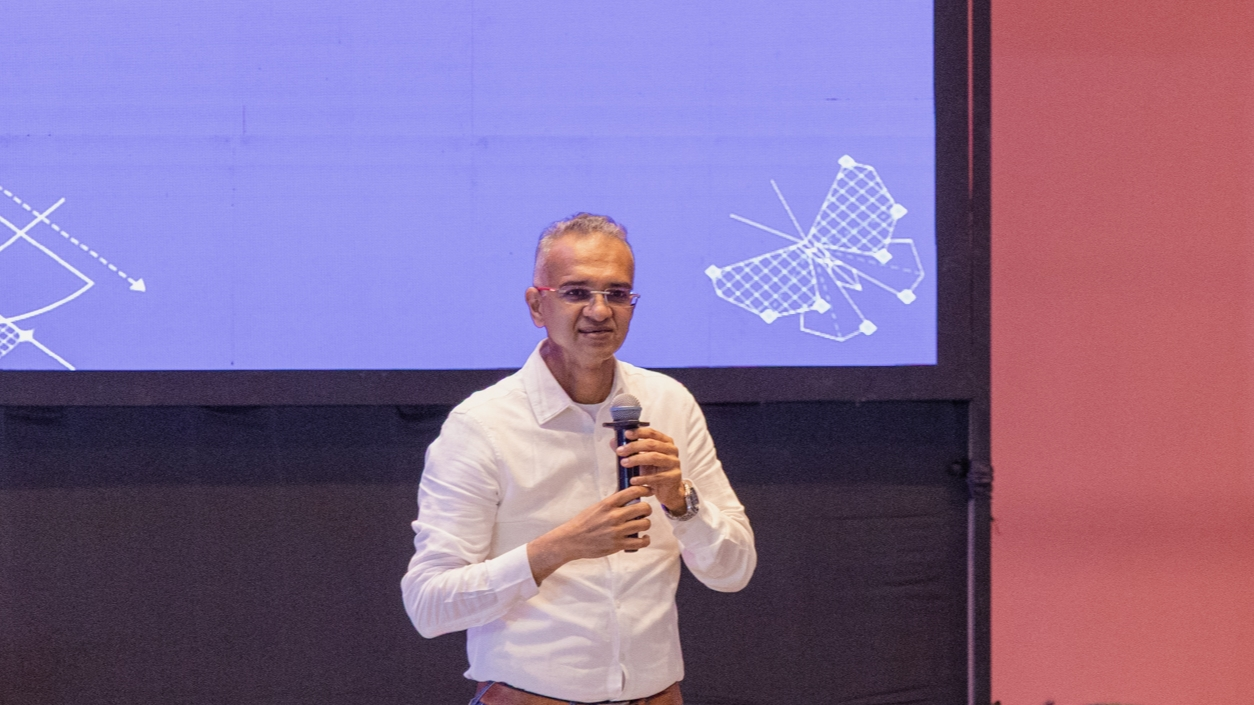
Dilip Asbe, NPCI’s managing director and chief executive, told TechCrunch at Mumbai Tech Week 2026 that AI could support the next half a billion users as NPCI, India’s central bank and the government work on payment access.
Asbe said UPI has grown to more than 750 million daily transactions, and the network is aiming for more than one billion daily transactions.
Asbe described AI as part of user acquisition, fraud detection, mule-account detection and credit distribution for users and merchants with digital footprints.
He also pointed to voice and multilingual onboarding as a way to make payment access simpler, although he said voice adoption remains early because models need greater accuracy.
Agentic Payments Need Consent Records
NPCI has already shown demos around agentic commerce and payments with Razorpay, but those capabilities have not moved into a broad rollout.
Asbe said India can adopt AI-powered finance if the market has strong regulation and a framework that protects users and mitigates risk.
The consent issue is operational.
If an AI agent acts for a user and something goes wrong, Asbe said the system should be able to review the user’s instructions and consent.
That makes agent consent and instruction records a governance requirement, not only a product-design problem for banks, fintech firms and payment apps.
NPCI is also working on payment-specific language models.
Asbe said Indian banks, fintech companies and the wider ecosystem have an opportunity to build small language models using the rich data sets available in payments.
NPCI launched FIMI last year to solve user disputes, and Asbe said it is serving more than one million users for mandate cancellations and issue resolution.
UPI Competition Still Depends On Business Models
The payment network’s AI plans sit alongside a competition issue.
TechCrunch reported that PhonePe and Google Pay hold more than 80% of UPI market share.
A 30% ceiling for any single UPI app is scheduled to take effect on December 31, 2026 unless regulators defer the deadline again.
Asbe said UPI apps have low switching costs and share most core features.
He also said PhonePe and Google have invested heavily to build their positions, while newer players need viable commercial models before they invest more aggressively.
TechCrunch reported that NPCI spun off the BHIM UPI app in 2024 to make it more competitive and increase usage.
Asbe said BHIM’s transaction volume has grown, but its overall market share is around 1%.
NPCI is not targeting a specific BHIM share; Asbe described it as a sovereign and secure alternative to other apps.
The public record still lacks AI payment-agent rollout dates, consent-log standards, model-accuracy thresholds, app-level enforcement steps for the 30% cap or whether the December 31, 2026 market-share deadline will be deferred again.