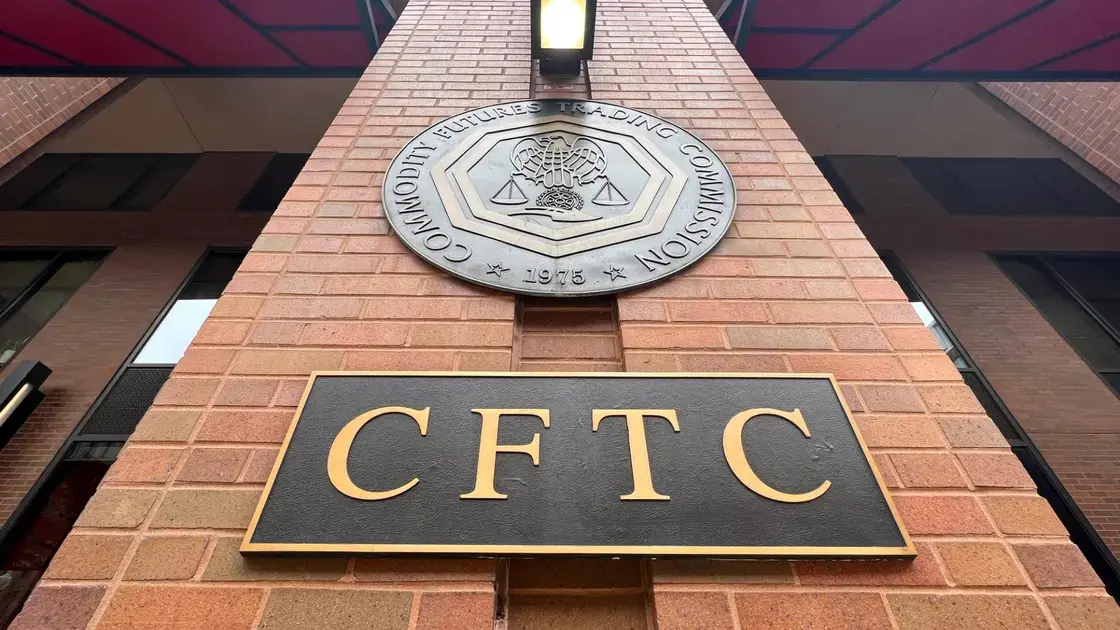
Nevada Prediction-Market Ruling Puts CFTC Jurisdiction Fight on Supreme Court Path
A Ninth Circuit ruling backing Nevada against sports-event prediction markets has escalated a licensing dispute involving Crypto.com, Kalshi and Robinhood into a potential Supreme Court fight over state gaming law and CFTC authority.

A Ninth Circuit ruling in Nevada has turned sports-event prediction markets into a licensing and jurisdiction fight that may move toward the US Supreme Court, PYMNTS reported from court, regulator and company statements.
The decision favored the Nevada Gaming Control Board in disputes involving Crypto.com, Kalshi and Robinhood.
The board’s position is that sports event contracts are wagers, and that companies offering them need Nevada gaming licenses even when the contracts trade on federally regulated prediction-market platforms.
The ruling rejected the companies’ argument that the Commodity Exchange Act preempts Nevada’s gaming laws for those contracts.
The same dispute also carries a federal-market structure question: the platforms and the Commodity Futures Trading Commission treat event contracts as derivatives regulated at the federal level, while Nevada is treating sports contracts as state-regulated betting products.
Nevada Gaming Control Board Chairman Mike Dreitzer framed the decision as validation of the state’s approach, calling the contracts sports betting that should be regulated by the state.
Kalshi spokesperson Dani Lever told PYMNTS that the company still sees federal law as protecting trading on a federally licensed exchange.
Kalshi’s position is that current CFTC regulations do not prohibit sports contracts, that the agency is working to clarify those rules and that the company will seek further review.
Robinhood also signaled an appeal.
Its emailed statement said eligible customers should be able to access CFTC-regulated markets offered through the company’s CFTC-registered futures commission merchant, while Crypto.com did not immediately respond to PYMNTS’ request for comment.
The CFTC’s response turned the case from a state enforcement dispute into a broader test of federal market authority.
Spokesperson Zach Fulton’s emailed statement treated the ruling as a split between the court’s recognition of exclusive CFTC jurisdiction over swaps and its interpretation of whether the contracts and the Special Rule fit that framework.
Fulton’s position is that a derivative contract structured as a swap remains a swap regardless of the underlying subject matter.
The statement called the Ninth Circuit’s exception to the Commodity Exchange Act atextual and tied the decision to a circuit split that could require Supreme Court review.
The agency has sued nine states to defend what it views as exclusive jurisdiction over prediction markets.
The Ninth Circuit ruling also conflicts with a March decision by another court, leaving the next procedural step tied to whether the platforms or the CFTC pursue further review.