SendTech Times
News
DEPLOYMENT WATCH:

Microsoft Linux Push Turns Azure and Windows Into an AI Workload Test

Newsroom brief

Microsoft used Build 2026 to expand Linux across Azure, Windows development tooling and a new AI workstation. The announcements include Azure Linux 4.0, Azure Container Linux, WSL-backed Windows 11 workflows and the Surface RTX Spark Dev Box. The practical question is whether developers use Microsoft's Linux-centered stack to move AI workloads between local machines and Azure infrastructure.
Verified against source materialEdited by SendTech Times Cloud & Infrastructure DeskSource: Zdnet
Microsoft Linux Push Turns Azure and Windows Into an AI Workload Test
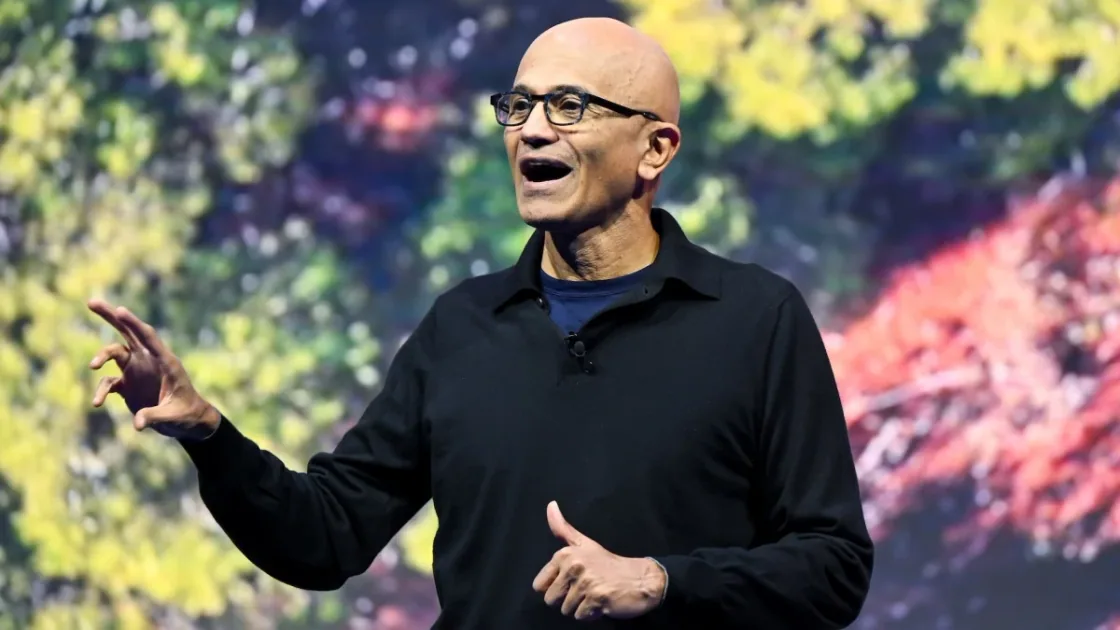
Image source: ZDNET

Microsoft Pulls Linux Deeper Into Its AI Stack

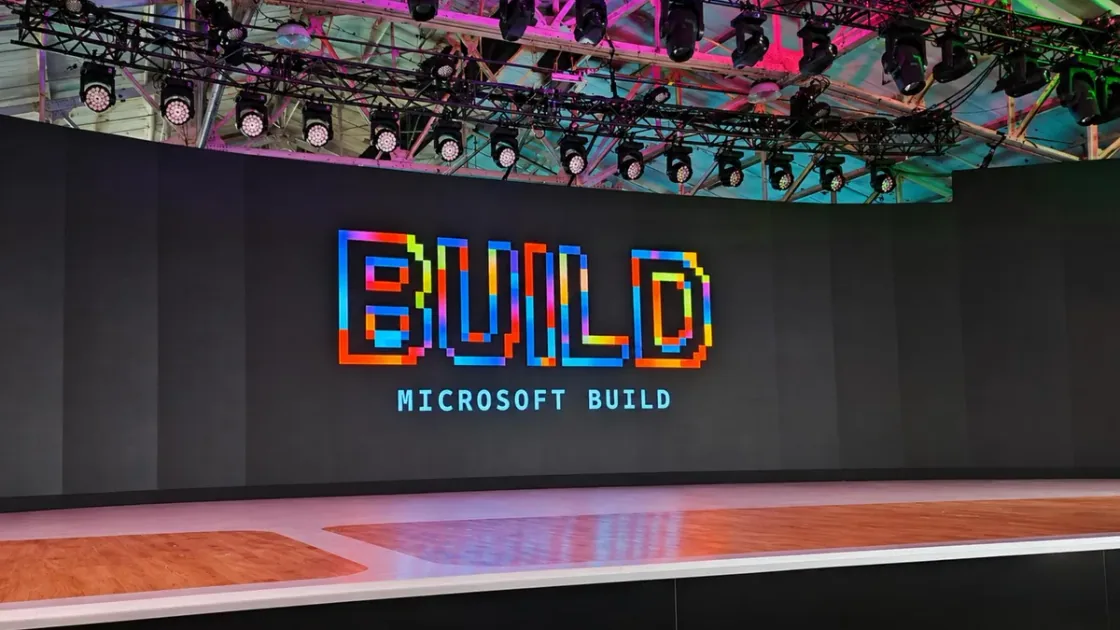
Microsoft used Build 2026 to widen its Linux footprint across Azure, Windows development and local AI workstations.

The announcements included Azure Linux 4.0, Azure Container Linux, a Windows 11 developer setup built around Windows Subsystem for Linux (WSL), and the Surface RTX Spark Dev Box.

The signal is not a single Linux release.

Microsoft is tying cloud servers, container hosts, developer workstations and AI-agent tooling to the same operating-system direction.

Linux is described in the source as the most popular operating system on Azure, and Microsoft is now giving that demand more first-party infrastructure.

Azure Linux Moves Beyond Kubernetes Plumbing

Azure Linux 4.0 is presented as a Fedora-derived, RPM-based, general-purpose server distribution for Azure virtual machines.

Earlier Azure Linux versions were designed mainly for Azure Kubernetes Service, while the new version is positioned as a hardened baseline for cloud-native and AI workloads.

Microsoft says the distribution is an internal build with a reduced package selection and a supply-chain transparency focus.

Azure Container Linux, built on the Flatcar Container Linux lineage, is now generally available and is pitched as a locked-down host image for Kubernetes on Azure.

For cloud buyers, the practical question is whether Azure Linux becomes a default first-party path for Microsoft reference architectures, rather than just another Linux option in the Azure marketplace.

Windows Becomes A Linux-Style Developer Surface

The Windows side of the announcement points in the same direction.

Microsoft described Windows 11 as a developer platform for the tools, models and workflows developers choose, with WSL as a core bridge between Windows and Linux workflows.

Kyle Daigle, Microsoft's COO of GitHub and CMO of Developer, described new WSL capabilities as part of an "agent-native" operating-system layer for local AI development.

Those capabilities include a more intelligent shell and terminal experience, local sandboxing for agents, and upgraded WSL support.

Microsoft is also adding Rust Coreutils-style command-line tools to Windows 11.

Those tools are described as Linux-like command-line utilities that run natively, giving developers who expect GNU-style tooling a more familiar environment on Windows.

The Workstation Test Is Local AI Proof

The Surface RTX Spark Dev Box turns the Linux push into a hardware and local-compute test.

The workstation comes preconfigured with WSL 2, native GPU passthrough, full Nvidia CUDA support, Visual Studio Code and GitHub Copilot.

Microsoft describes the device as a "desktop data center" for complex agent workflows.

Microsoft's stated ceiling for the workstation is up to 1 petaflop of AI compute, with model support up to 120B parameters, and the device can be configured with up to 128GB of unified memory.

Microsoft has not announced a price, and The public record still lacks a shipment date.

The next signal is whether developers treat Microsoft's Linux-centered stack as a practical way to move AI workloads between local machines, Windows tooling and Azure infrastructure.

Share this article
inXf

Related articles

More
Railway’s $100 Million Round Puts AI App Deployment at the Center of Cloud Competition
Cloud & Data Centers

Railway’s $100 Million Round Puts AI App Deployment at the Center of Cloud Competition

Railway raised $100 million in Series B funding to expand its AI-focused cloud deployment platform. The company says it has two million developers, more than 10 million monthly deployments and more than one trillion requests through its edge network. The practical question is whether Railway can turn developer-led usage into enterprise cloud accounts without losing deployment simplicity.

FTC Probe Puts Microsoft Azure And AI Competition Under Scrutiny
Cloud & Data Centers

FTC Probe Puts Microsoft Azure And AI Competition Under Scrutiny

The FTC is examining Microsoft’s cloud, software and related services, with questions pointing to Azure, interoperability, bundling and AI products. The probe began in 2024 and does not guarantee a lawsuit, but FTC staff and the agency’s two commissioners could later decide whether to proceed. The outcome could matter for enterprise software buyers, cloud competitors and companies building AI products on major platforms.

Microsoft Human Rights Review Puts Cloud and AI Contracts Under Pre-Contract Scrutiny
AI

Microsoft Human Rights Review Puts Cloud and AI Contracts Under Pre-Contract Scrutiny

Microsoft said it will strengthen human rights controls after reviewing how the Israeli military used its technology during the Gaza war. The company said it had disabled specified cloud storage and AI service subscriptions for the Israeli Ministry of Defence in September last year. The practical question is whether stronger pre-contract reviews change how sensitive cloud and AI engagements are approved before deployment.

Vercel’s Eve Framework Tests Whether Agent Tools Can Escape Shadow AI
Cloud & Data Centers

Vercel’s Eve Framework Tests Whether Agent Tools Can Escape Shadow AI

Vercel introduced the open-source eve agent framework and Passport controls for employee-built AI apps, putting its developer platform strategy up against enterprise concerns over unmanaged agents, data exposure and cloud cost premiums.

AI Data-Centre Spending Turns Energy Costs Into an Inflation Test
Cloud & Data Centers

AI Data-Centre Spending Turns Energy Costs Into an Inflation Test

AI infrastructure spending is pushing data-centre power demand, construction costs and debt issuance into the inflation debate. Pew Research Centre counted more than 3,000 operational US data centres and about 1,500 more under construction or in early development. The practical question is whether productivity gains arrive before power, construction and financing costs spread further through the economy.

Microsoft Uses Build 2026 to Push Agents Beyond Copilot
AI

Microsoft Uses Build 2026 to Push Agents Beyond Copilot

Microsoft used its Build 2026 keynote to introduce MAI models, Project Soltera and Microsoft Scout as part of a broader agent strategy. MAI-Thinking-1 is described as a 35-billion-parameter reasoning model with a 128,000-context window for multi-step instructions, long-context reasoning and code generation. The announcement gives Microsoft a clearer agent roadmap, but the source does not provide customer rollout data, pricing or enterprise adoption evidence.

CISA Android and Linux Warnings Put Patch Timing Back on the Security Agenda
Cybersecurity

CISA Android and Linux Warnings Put Patch Timing Back on the Security Agenda

CISA added exploited Android and Linux vulnerabilities to its Known Exploited Vulnerabilities catalog. The Android flaw affects Android 14 through 16, while the Linux issue centers on older kernel branches and cgroups v1 container environments. The immediate test is whether agencies and infrastructure operators apply vendor updates or mitigations by CISA's June 5 deadline.

GitHub And Google Back ARD As AI Agents Search For Tools
AI

GitHub And Google Back ARD As AI Agents Search For Tools

GitHub, Google, Microsoft and other companies are backing Agentic Resource Discovery, a specification meant to help AI agents find, verify and connect to tools, skills, MCP servers and other resources without hard-coded integrations.

Keep Reading

More Stories

Latest
Kepler Targets 2027 Production for HBM Replacement MemoryCloud & Data CentersOct 6, 2026Kepler Targets 2027 Production for HBM Replacement MemoryEE Times reports that Kepler Computing is preparing 3D ferroelectric memory for 2027 production, promising higher capacity and bandwidth per watt while limiting reliance on advanced-node lithography.Yokogawa Opens Singapore Hub For Industrial Cyber ResilienceCapital & PolicyOct 6, 2026Yokogawa Opens Singapore Hub For Industrial Cyber ResilienceYokogawa Engineering Asia has launched a Singapore center focused on OT cyber resilience, training, response planning and recovery coordination for Southeast Asia, Oceania and Taiwan.ClickFix Attack Uses Browser Cache To Hide Malware PayloadCybersecurityOct 6, 2026ClickFix Attack Uses Browser Cache To Hide Malware PayloadMicrosoft Threat Intelligence traced a ClickFix cache-smuggling method that preloads malware into browser caches, then uses file size checks and a pasted Run command to launch later credential-theft stages.VOA Tests Six-Month Startup Buildout Before Funding DecisionsFintech & Digital PaymentsOct 6, 2026VOA Tests Six-Month Startup Buildout Before Funding DecisionsTechCabal’s interview with VOA Venture Partners founder Victoria Olayide Adesanya describes a six-month build programme that lets the firm work inside African financial-infrastructure startups before deciding whether to invest.Bitcoin Holds $86,000 As Dollar Index Hits 18-Month HighCrypto/Web3Oct 6, 2026Bitcoin Holds $86,000 As Dollar Index Hits 18-Month HighCoinDesk reported that bitcoin stayed near $86,000 while the U.S. Dollar Index reached about 102.5, with U.S. rate expectations and European political risks strengthening the dollar backdrop.Google Freezes OSS Bug Bounty Reports After AI Submission FloodCybersecurityOct 6, 2026Google Freezes OSS Bug Bounty Reports After AI Submission FloodGoogle has stopped accepting new product vulnerability reports in its OSS VRP after invalid automated submissions swamped reviewers, while older reports and some Cloud VRP routes remain open.Fleuret AI Raises €4M For Continuous AI Pentesting PlatformCybersecurityOct 6, 2026Fleuret AI Raises €4M For Continuous AI Pentesting PlatformTech.eu reported that French startup Fleuret AI raised €4 million in pre-seed funding to develop an agentic-AI platform that turns penetration testing into a continuous security process.GFT Analysis Says AI Documentation Can Cut Maintenance Work 30%Fintech & Digital PaymentsOct 6, 2026GFT Analysis Says AI Documentation Can Cut Maintenance Work 30%A GFT Technologies analysis says AI-linked software documentation can cut maintenance effort and speed developer onboarding when knowledge assets stay synchronized with code changes.Schneider Electric Lines Up $22.6 Billion PTC DealAIOct 5, 2026Schneider Electric Lines Up $22.6 Billion PTC DealSchneider Electric plans to buy PTC in a cash transaction valuing the US engineering software provider’s equity at about $22.6 billion, adding product-lifecycle software to its industrial AI push.Aggarwal Pledges Ola Electric Stake To Fund ₹1,000 Cr Rights IssueCapital & PolicyOct 5, 2026Aggarwal Pledges Ola Electric Stake To Fund ₹1,000 Cr Rights IssueOla Electric founder Bhavish Aggarwal pledged 20 Cr shares to finance his participation in a rights issue that forms part of a larger ₹1,500 Cr fundraising plan.Natrona Schools AI Review Puts Student Privacy Ahead Of Classroom Tool UseAIOct 5, 2026Natrona Schools AI Review Puts Student Privacy Ahead Of Classroom Tool UseNatrona County trustees questioned whether teacher AI tools expose student data, even as existing district rules already ban unauthorized generative AI use by students.AMD Prices 256-Core EPYC 9996 At $14,904 For Server BuyersChips & SemiconductorsOct 5, 2026AMD Prices 256-Core EPYC 9996 At $14,904 For Server BuyersTechRadar reports that AMD’s 6th Gen EPYC 9006 “Venice” lineup includes a 256-core EPYC 9996 with 512 threads, 1GB of L3 cache, a 600W default power rating and a $14,904 list price for 1,000-unit orders.