SpaceX Fixed-Price IPO Turns Retail Allocation Into The Main Market Test
SpaceX is offering IPO shares at a fixed $135 price, leaving allocation of roughly $75 billion in shares, especially retail access, as the main test before Thursday offering and Friday trading.
Fixed Pricing Leaves Allocation As The Main Test
SpaceX is taking an unusually rigid approach to its planned initial public offering: the company is offering shares at a fixed $135 price instead of using a price range that can be adjusted after investor demand is measured.
The structure shifts attention away from headline pricing and toward allocation, because about $75 billion worth of IPO shares still must be distributed through underwriters and asset managers before trading begins on Friday.
That makes this listing a market-structure test as much as a valuation event.
In a conventional IPO, investor feedback helps determine the final price and gives banks room to balance demand, scarcity and client access.
Here, the price is already set on a take-it-or-leave-it basis.
The unresolved issue is who receives the available shares, how much supply reaches retail investors, and whether demand stays strong once the shares begin trading publicly.
A Record-Sized Offering With Founder Control
The offering is notable for its size and governance profile.
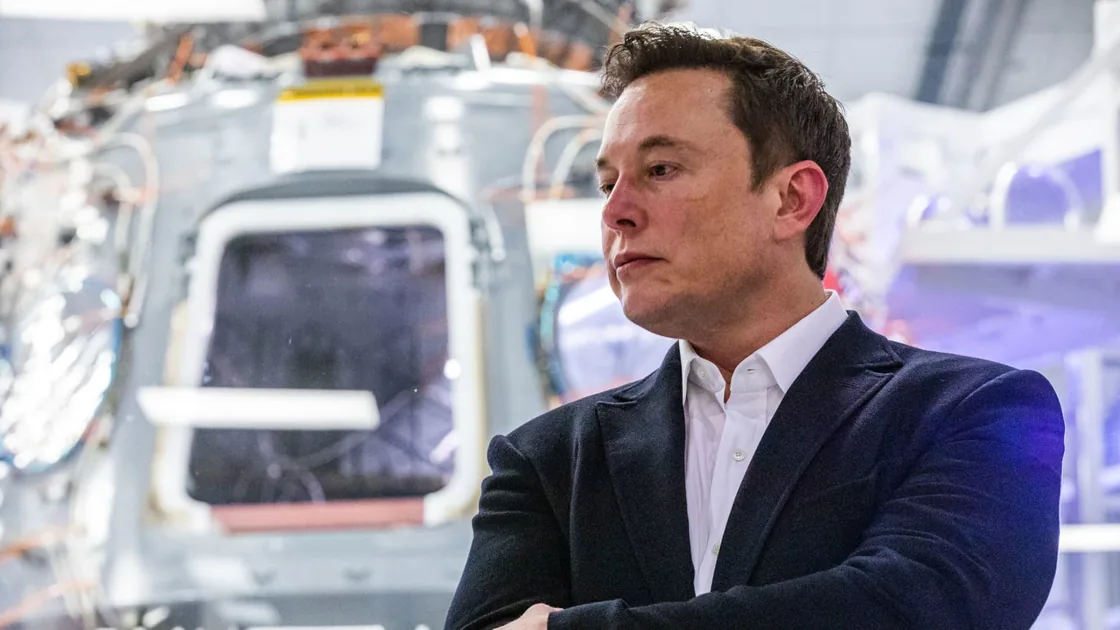
The planned sale is described as roughly $75 billion, while Elon Musk is expected to retain control of the rocket maker.
That control point matters because public investors would be buying into a company whose strategic direction remains closely tied to Musk, who is also chief executive of Tesla.
The source material does not establish how retail investors will be treated in the final allocation.
It does make clear that the mechanics are still important even after the price has been dictated.
Underwriters and asset managers still need to move the shares to clients before market trading begins, and that process can shape early ownership, liquidity and the first-day trading pattern.
Why Public-Market Investors Care
For technology investors, the SpaceX sale would bring a rare large-scale private aerospace and satellite-infrastructure company into public markets.
The company’s profile is different from most software or consumer internet listings because its business is tied to rockets, launch services and capital-intensive space infrastructure rather than a purely digital platform.
That distinction changes the way investors may evaluate growth, execution risk and long-term funding needs.
The fixed $135 share price also narrows the debate.
Investors are not being asked to help discover the IPO price through a traditional range.
They are being asked whether they want exposure at the price already chosen.
If demand is strong, the scarcity of allocation could become part of the story.
If demand is uneven, the rigid pricing approach could leave more pressure on underwriters to place the deal cleanly.
Retail Access Remains The Watchpoint
The clearest next watchpoint is retail allocation.
The source material says the offering gets underway on Thursday and trading begins on Friday, but it does not confirm how much access ordinary investors will receive.
That gap is important because SpaceX has unusually broad name recognition, and retail demand could be high even if institutional buyers dominate the book.
The first trading session will show whether the fixed-price strategy produced a stable order book or simply moved the pricing debate into the open market.
Until allocation details are clear, the main unanswered question is not the headline price.
It is how much of the SpaceX IPO reaches investors outside the traditional institutional channels.